
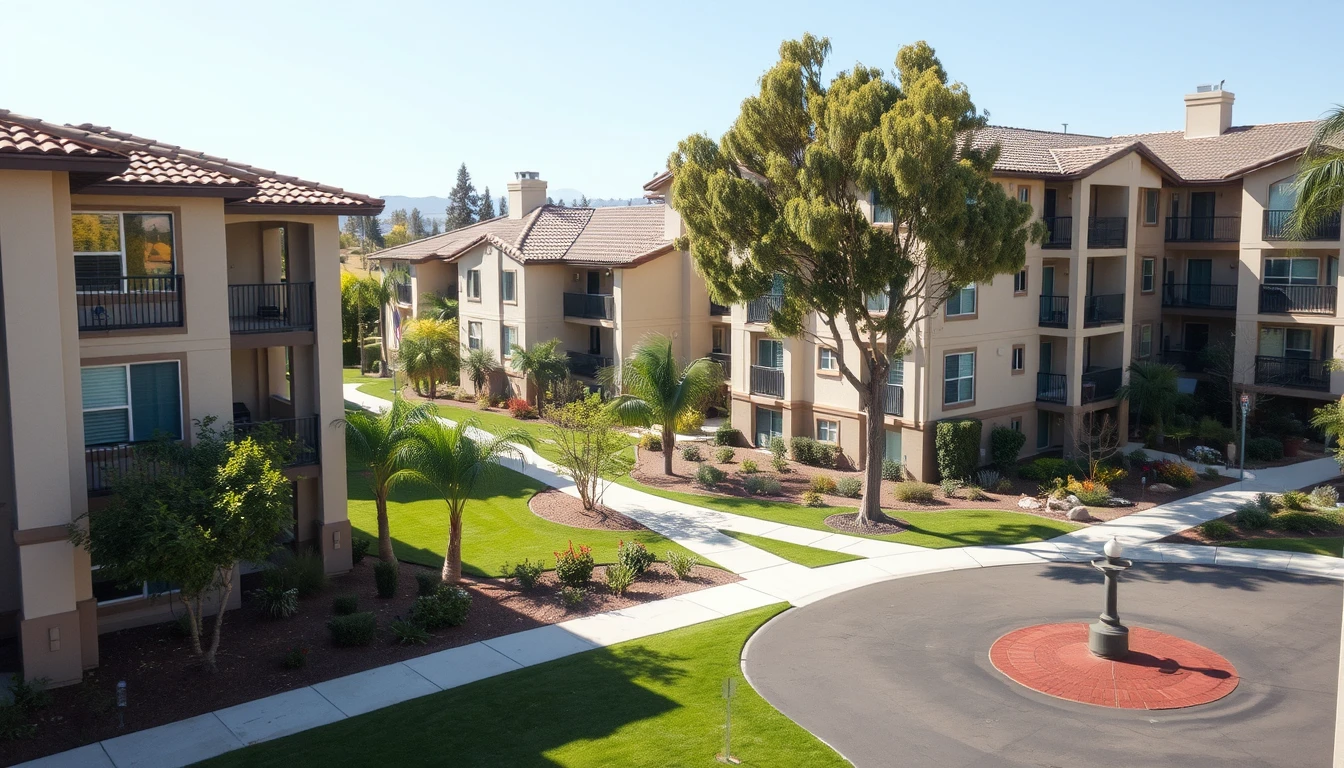
For a property manager, an electrical panel is easy to forget about right up until the moment it becomes a problem. It sits in a utility closet or on an exterior wall, quietly carrying the load for dozens of units, and it rarely asks for attention. But in an older Orange County multi-family community, that quiet is exactly what makes a documented inspection routine so valuable. A consistent multi-family panel inspection checklist turns electrical safety from a reactive scramble into a planned, defensible part of your maintenance program.
This protocol walks through how a property manager can approach electrical inspections across a multi-family property, what a licensed electrician looks for during the walkthrough, and the red flags worth documenting before they become emergencies.
Why Regular Electrical Panel Inspections Matter
Multi-family buildings concentrate risk. A single-family home has one electrical panel; a 40-unit community may have dozens of panels plus house panels for common areas, all aging at the same rate. When those systems were installed in the 1960s through the 1990s, they were sized and built for a very different pattern of electrical demand.
Regular electrical inspections matter for three practical reasons that land squarely on a property manager's desk:
- Safety. Electrical panels are the most common origin point for electrical fires in older buildings. Catching a failing component early protects residents.
- Liability and fiduciary duty. Documented inspections show that the association and management acted reasonably. An undocumented failure looks very different in a claim than one preceded by a paper trail.
- Budgeting. Knowing the true condition of your electrical systems lets a board plan panel replacement into a reserve study instead of funding it as a surprise emergency.
You don't need to be an electrician to run this protocol. Your job is to observe, document, and know when to escalate to a licensed electrician for a proper evaluation.
The Multi-Family Panel Inspection Checklist
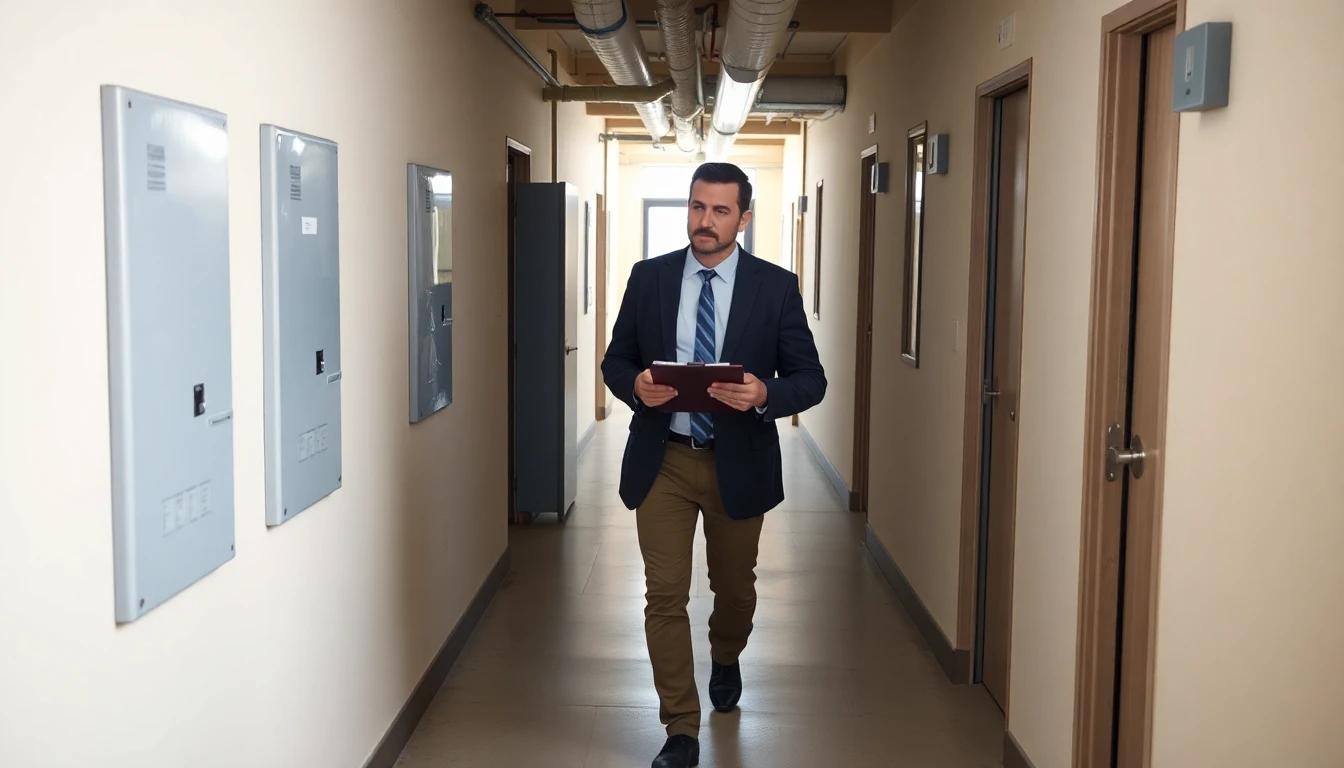
Work through your property in three passes: the main service and house panels, the individual unit panels, and the common-area electrical systems. For each panel, note its location, the brand and approximate age, and anything on the list below.
The Panel Exterior and Enclosure
- Panel cover in place and secure. Missing or loose covers expose live parts and are an immediate hazard.
- Rust, corrosion, or water staining. Moisture is the enemy of any electrical panel, especially outdoor and subterranean-garage installations common in Orange County multi-family buildings.
- Physical damage or heat discoloration. Scorching, melted plastic, or a burnt smell near the panel are red flags that need a licensed electrician the same day.
- Clear working space. Storage, landscaping, or stucco crowding a panel violates clearance requirements and slows emergency access.
- Legible labeling. Circuits should be labeled so a technician can isolate power quickly. Faded or missing labels are common in older communities and worth correcting.
Inside the Panel: Circuit Breakers, Bus Bar, and Grounding
Opening a panel is work for a properly trained, licensed electrician, not maintenance staff. During a professional electrical inspection, the electrician evaluates the electrical components most likely to fail:
- Circuit breakers that are loose, discolored, or warm to the touch, which can signal a poor connection or an overloaded circuit.
- Bus bar condition, meaning the metal bars that distribute power. Corrosion or arcing damage on the bus bar (a known issue in certain older panels) can prevent breakers from tripping properly.
- Double-tapped breakers, where two wires share a breaker designed for one, a frequent finding that creates overheating.
- Grounding system integrity, including a verified ground connection and proper bonding.
- Signs of overheating, such as melted insulation, a burnt odor, or heat marks around terminals.
- Aluminum branch wiring and other legacy materials that need special connectors.
Common-Area and Life-Safety Systems
Multi-family properties carry electrical loads that single-family homes don't. Include these in the walkthrough:
- Corridor, stairwell, and parking-structure lighting on the house panel.
- Ground fault circuit interrupters (GFCIs) protecting pool equipment, laundry rooms, and exterior outlets.
- Elevator, gate, and pump circuits.
- Emergency and exit lighting that ties back to the electrical service.
Electrical Safety Red Flags to Document
Some findings can wait for the next reserve cycle. Others mean the panel should be evaluated promptly. The clearest red flag is the panel brand itself.
Certain older panels carry well-documented safety concerns. Federal Pacific (FPE) Stab-Lok panels were installed widely in mid-century construction; independent researcher Dr. Jesse Aronstein documented breaker failure rates far above industry norms, and FPE's UL listing was revoked after fraudulent test data came to light. Zinsco panels have documented issues with bus bar corrosion and breakers that can melt to the bus bar, which can prevent them from tripping during an overload. Neither was ever the subject of a government recall, but both are treated as serious safety concerns by electricians and, increasingly, by insurers. Many insurance carriers will not write or renew policies on buildings with Federal Pacific or Zinsco panels.
Other red flags worth documenting immediately:
- A burning smell, buzzing, or crackling from any panel.
- Breakers that trip repeatedly or won't reset.
- Warm or discolored panel covers.
- Flickering lights across multiple units, which can point to a failing main connection.
- Any water intrusion into or around an electrical panel.
When a panel shows one of these signs, note it, photograph it, and call for a professional evaluation rather than waiting for the scheduled inspection.
Documentation: The Part Managers Can't Skip
The inspection is only half the value; the record is the other half. For each panel, keep a simple file that includes photos, the brand and location, the findings, and the date. Over time this builds a condition history that supports reserve planning, satisfies insurance documentation requests, and demonstrates that the association took electrical safety seriously.
This is where working with a contractor built around documentation pays off. Pre- and post-work photos, labeled circuits, permit tracking, and inspection sign-offs turn a pile of observations into a defensible record the board can rely on.
Where a Staff Walkthrough Falls Short of a Professional Electrical Inspection
A lot of property managers assume that if maintenance staff can look at a panel and nothing's obviously wrong, the electrical system is fine. That assumption is where preventable failures hide. A visual walkthrough by non-electricians is genuinely useful for catching the obvious red flags (a missing panel cover, water staining, a burnt smell), but it misses the failures that don't announce themselves.
Consider what a surface check can't evaluate. Loose connections behind the panel cover generate heat long before they're visible. A grounding system can be compromised in ways no exterior inspection reveals. Circuit breakers can fail to trip while looking perfectly normal, which is the exact defect that makes certain older panels dangerous. Overloaded circuits, undersized wires, and outdated fuses all pass a glance and fail an electrical inspection. The point isn't that staff walkthroughs are useless; it's that they're a first filter, not a substitute for a licensed electrician opening the panel and testing it.
This is also why a single annual "everything looks fine" note is thin protection. A meaningful multi-family panel inspection checklist has two tiers: frequent visual checks by staff to catch the obvious hazards, and a scheduled professional inspection that actually evaluates the electrical components inside the panel: breakers, bus bar, grounding, and load.
Building Inspections Into Your Maintenance Schedule
The communities that avoid electrical emergencies treat inspection as routine maintenance, not a one-time event. A simple, repeatable schedule keeps the whole property covered:
- Quarterly staff walkthroughs. A fast visual pass on every panel using the checklist above: covers secure, no corrosion, no heat or odor, clear working space, legible labeling. Document each pass with photos and the date.
- Annual professional inspection. A licensed electrician inspects the main service, house panels, and a sample of unit panels, testing breakers, verifying the grounding system, and checking the electrical load against capacity.
- Trigger-based inspection. Any red flag, whether that's flickering lights across units, a breaker that won't reset, or a warm panel cover, moves that panel to the front of the line regardless of the schedule.
- Brand-driven priority. Panels carrying documented-risk labels get inspected first and planned for replacement, not left to fail.
Baking this into the maintenance calendar turns electrical safety from something a manager hopes is fine into something the association can prove it managed. It also feeds directly into reserve planning: a standing inspection record tells the board which panels are approaching end of life, so replacements get budgeted rather than sprung as emergencies. Homeowners rarely see this work, but it's the difference between a community that plans and one that reacts.
When to Bring In a Licensed Electrician
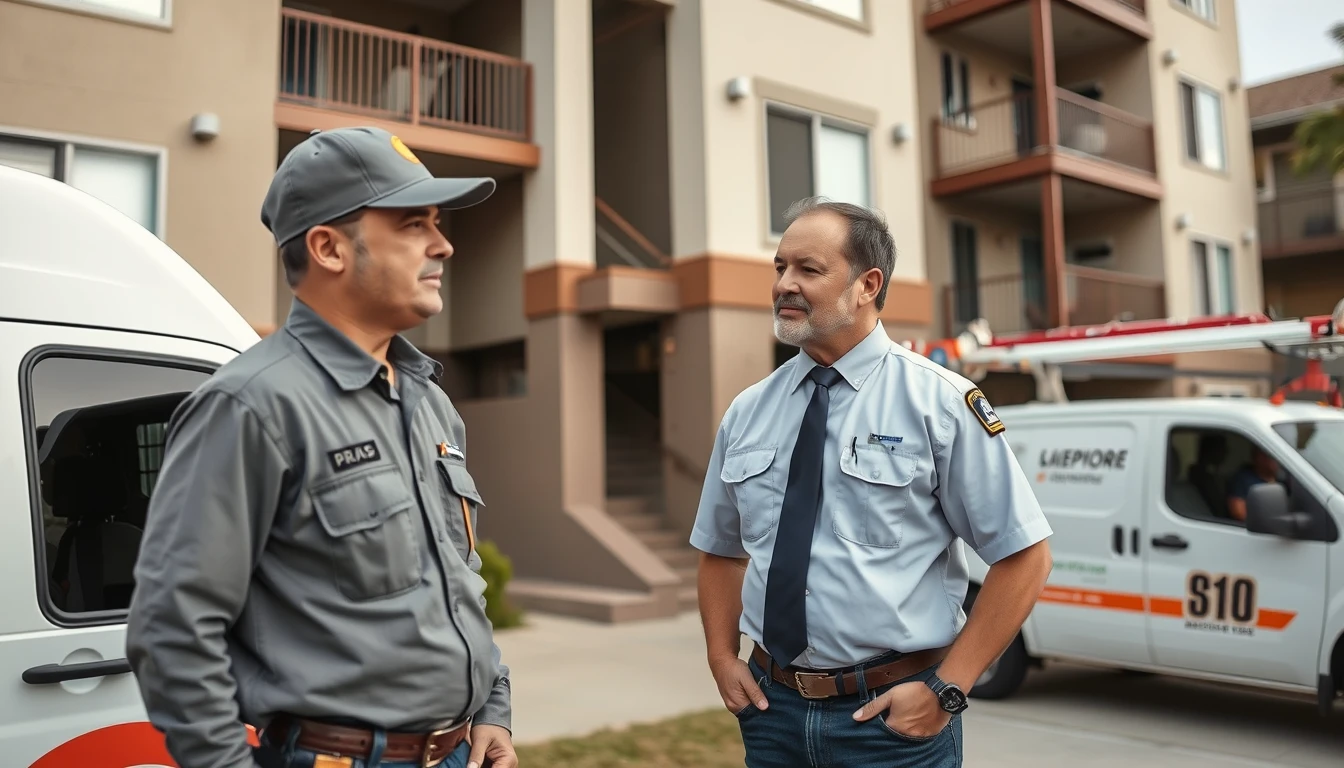
Use this protocol as a first-pass screening tool, and escalate to a professional whenever a panel shows a red flag, carries a Federal Pacific or Zinsco label, or simply hasn't been evaluated in years. A trained electrician can open the panel safely, test the electrical load, verify the grounding system, and give you a clear, honest assessment, including telling you when a panel is fine and doesn't need work.
The Tradesman Electric has completed more than 400 panel replacements a year across Orange County communities from Irvine to Mission Viejo, and we build the documentation your board needs into every job. If your community is due for an electrical review, schedule a free community-wide inspection or call (949) 317-1847 to speak with a trained electrician about a walkthrough of your property.