
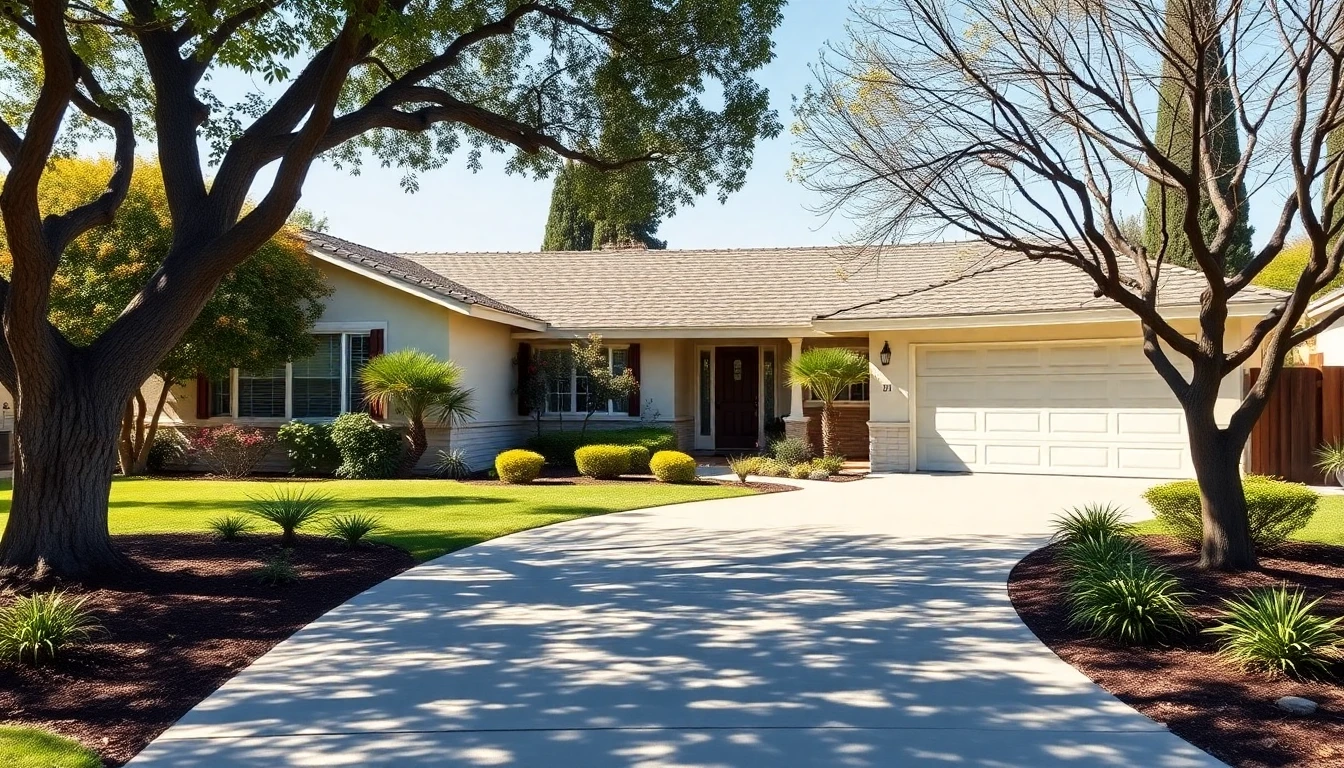
If your Orange County home was built between 1950 and 1990, there is a real chance it still has a Federal Pacific electrical panel on the wall. It probably looks fine. It may have powered your home without incident for decades. That is exactly what makes it worth a closer look.
Federal Pacific Electric, usually shortened to FPE, made the Stab-Lok panel and breaker systems installed in millions of American homes. Independent testing has documented a breaker failure rate of roughly 60 to 70 percent, meaning the breaker does not trip when it should. A breaker that fails to trip leaves the circuit energized during a fault, and that is how electrical fires start.
This guide explains how to tell whether you have one, what the evidence actually says, and what replacing the panel involves. For the full picture of how a replacement runs from start to finish, see our step by step guide to electrical panel replacement.
What a Federal Pacific Panel Is
Federal Pacific Electric manufactured residential electrical panels from roughly 1950 to 1980, with peak installation through the 1960s and 1970s. Southern California built heavily during those decades, so FPE panels are common across Orange County housing stock.
The Stab-Lok line is the product of concern. The breaker design uses a stab connection to the bus bar, and both the breaker mechanism and that connection have been shown to fail in ways the homeowner never sees.
An important point of accuracy: no government recall was ever issued for Federal Pacific panels. You will see the word recall used loosely online. It is not correct, and it matters, because the real history is serious enough without overstating it.
What did happen:
- UL listing was revoked after the discovery that test data submitted for certification had been falsified.
- A 2002 New Jersey court ruling found that FPE “knowingly and purposefully distributed circuit breakers which were not tested to meet UL standards.”
- Independent testing by Jesse Aronstein, P.E., a consulting engineer who has studied these breakers for decades, documented the 60 to 70 percent failure rate that is now widely cited.
So the panels were never recalled, and they were also never proven safe. They were certified on the strength of data that did not hold up.
How to Identify an FPE Panel in Your Home
You can do this yourself in about a minute, without opening anything. Look at the panel door and the face of the breakers.
- The name “Federal Pacific” or the initials “FPE” printed on the panel door or the label inside it
- Breakers marked Stab-Lok
- Red or orange tips on the breaker toggles, which is the most recognizable visual cue
- Breakers that flip toward the outside of the panel when switched on, rather than toward the center
Open the door to read labels if you can do so safely. Do not remove the cover plate. The area behind it carries live power even with every breaker switched off, and there is no homeowner-level reason to go in there.
If you find any of these markings, you have identified a panel worth having inspected. It does not mean anything is wrong today. There are also more general signs an electrical panel needs replacing that apply to any brand.
Why These Panels Fail Quietly
Most electrical problems announce themselves. A breaker trips, a light flickers, an outlet stops working. The concern with Stab-Lok is the opposite: the failure mode is silent.
A circuit breaker has one safety job. When current exceeds the rating, it cuts power. If it does not, the wiring in the wall keeps heating with nothing to stop it. In a home with a failed breaker, everything looks and feels normal right up until it does not.
That is why age alone is not reassurance. A Federal Pacific panel that has never given you trouble has simply never been tested by a real fault. Homeowners often tell us the panel has been fine for thirty years. That is not evidence the breakers work. It is evidence they have not yet been asked to.
What This Means for Your Insurance
Insurers in California have grown considerably more assertive about older electrical systems, and Federal Pacific sits at the top of the list. Among the panel brands that draw underwriting attention, FPE is the one most likely to trigger a problem.
Homeowners in Orange County are seeing:
- Non-renewal at the end of a policy term
- Refusal to write a new policy on a home purchase until the panel is replaced
- Replacement made a condition of binding coverage, with a deadline
- Questions about the panel appearing on inspection reports during a sale, where it becomes a negotiating point
If you are selling, this surfaces during the buyer’s inspection. It is generally easier to handle on your schedule than during escrow with a closing date approaching.
Replacing a Federal Pacific Panel
Replacement means removing the existing panel and installing a modern system with breakers that meet current UL standards. In most Orange County homes this is a one-day job.
What the work involves:
- Assessment. An electrician confirms the panel type, checks the service capacity, and looks at the condition of the wiring feeding it.
- Permit. Panel replacement requires a permit, and permit requirements vary across Orange County cities.
- Utility coordination. Southern California Edison must disconnect and reconnect service. On a straightforward main panel replacement this is scheduled around the work.
- Replacement. The old panel comes out, the new panel and breakers go in, circuits are transferred and labeled, and grounding is brought up to current code.
- Inspection. The city inspects the finished work before the permit closes.
Power is off during the work. Most homeowners plan to be out of the house for the day.
Whether the replacement is a straight swap at the same amperage or a good moment to increase service capacity depends on your home. If your panel is original to a house built in the 1960s, the service size that made sense then often does not match how the house is used now, which is when a 100 to 200 amp upgrade is worth considering. That is worth discussing during the assessment rather than deciding in advance.
What It Costs
Replacing an FPE or Zinsco panel at the same amperage generally runs $3,000 to $5,500 in Orange County. A permit adds roughly $50 to $250 depending on the city.
Actual pricing depends on multiple factors including panel age, circuit count, stucco or siding repair needs, permit requirements, overhead versus underground service, and site-specific conditions. A free inspection is the only way to get an accurate figure for your home.
Our full cost guide breaks these down further. The factors that move the number most:
- Number of circuits in the existing panel
- Stucco or wood siding repair where the old panel is removed
- Permit complexity, which varies by city
- Panel location and accessibility
- Overhead versus underground feed. Overhead service costs more because it involves the riser, weather head, and service wires.
- Grounding requirements, since older installations often predate current grounding standards
Federal Pacific Panels Compared With Other Problem Brands
Federal Pacific is not the only electrical panel brand that draws attention in Orange County homes, and homeowners often want to know where theirs sits.
Federal Pacific panels are the most serious concern. The breaker failure rate documented by independent testing is the highest of any residential electrical panel brand, and insurers treat FPE accordingly.
A Zinsco electrical panel is the second most common problem panel in Southern California. The failure mechanism is different. Zinsco panels use aluminum bus bars that corrode over time, so the breaker can melt to the bus bar and lose the ability to trip. If your panel has colorful breaker handles in blue, red, green, or yellow rather than the red or orange tips of a Stab-Lok, you are probably looking at Zinsco rather than Federal Pacific.
Pushmatic and Bulldog panels use push buttons instead of toggle switches. They are not dangerous in the same way, but the mechanism stiffens with age and the design has no magnetic trip, only thermal. They are increasingly flagged simply because of age and because replacement parts are effectively gone.
All three are obsolete systems. The reason Federal Pacific stands apart is the combination of scale, the documented failure rate, and the certification history.
What Happens on Installation Day
Homeowners usually want to know what the day actually looks like, so here is the sequence for a typical Orange County single-family home.
Morning. The crew arrives and confirms the plan. Southern California Edison disconnects power at the service. The old Federal Pacific panel is opened, circuits are identified and labeled, and the existing panel is removed from the wall.
Midday. The new electrical panel is mounted and the service conductors are terminated. Each circuit is transferred to a new breaker sized for that circuit. This is the part that takes the longest, and it is where the quality of the work shows. Circuits get labeled properly, which in a house of this age is often the first time anyone has done so accurately.
Afternoon. Grounding is brought up to current code, which frequently means adding a grounding electrode system that did not exist when the home was built. The panel is closed, power is restored, and every circuit is tested.
Follow-up. The city inspector reviews the finished work and the permit closes.
Power is out for the working day. Refrigerators hold temperature comfortably over that period if the doors stay shut. Anything critical that runs on power, such as medical equipment, should be raised before the work is scheduled so arrangements can be made.
Replacing a panel is not a job that should stretch across several days. If a contractor is describing a multi-day timeline for a straightforward single-family replacement, it is worth asking why.
Common Questions
Is my Federal Pacific panel dangerous right now?
Not necessarily, and nobody can tell you otherwise without looking at it. The documented failure rate describes the population of these breakers, not the specific one in your garage. What it does mean is that the protection you are relying on may not be there when a fault occurs.
Can the breakers just be replaced instead of the whole panel?
No. The concern involves both the breakers and the connection to the bus bar, so swapping breakers into the same panel does not resolve it. Replacement breakers for these panels are also difficult to source and not manufactured to current standards.
Do I have to replace it if my insurance has not asked?
There is no legal requirement. Many homeowners choose to handle it on their own timeline rather than under an insurer’s deadline or during a home sale.
How long does the replacement take?
Most single-family panel replacements in Orange County are completed in a single day, with power restored the same afternoon.
What if I am not sure what brand I have?
Take a photo of the panel door and the breaker faces. That is usually enough to identify the manufacturer without anyone opening anything.
Get an Honest Assessment
If you have identified a Federal Pacific panel, or you are not certain what is on your wall, the sensible next step is to have someone look at it who can tell you plainly what you are dealing with.
The Tradesman Electric is a C-10 licensed electrical contractor specializing in panel replacement across Orange County. If the panel is fine, we will tell you it is fine.
Schedule your free panel inspection. Call 949-528-4776. No obligation, and an honest assessment of what your home actually needs.