
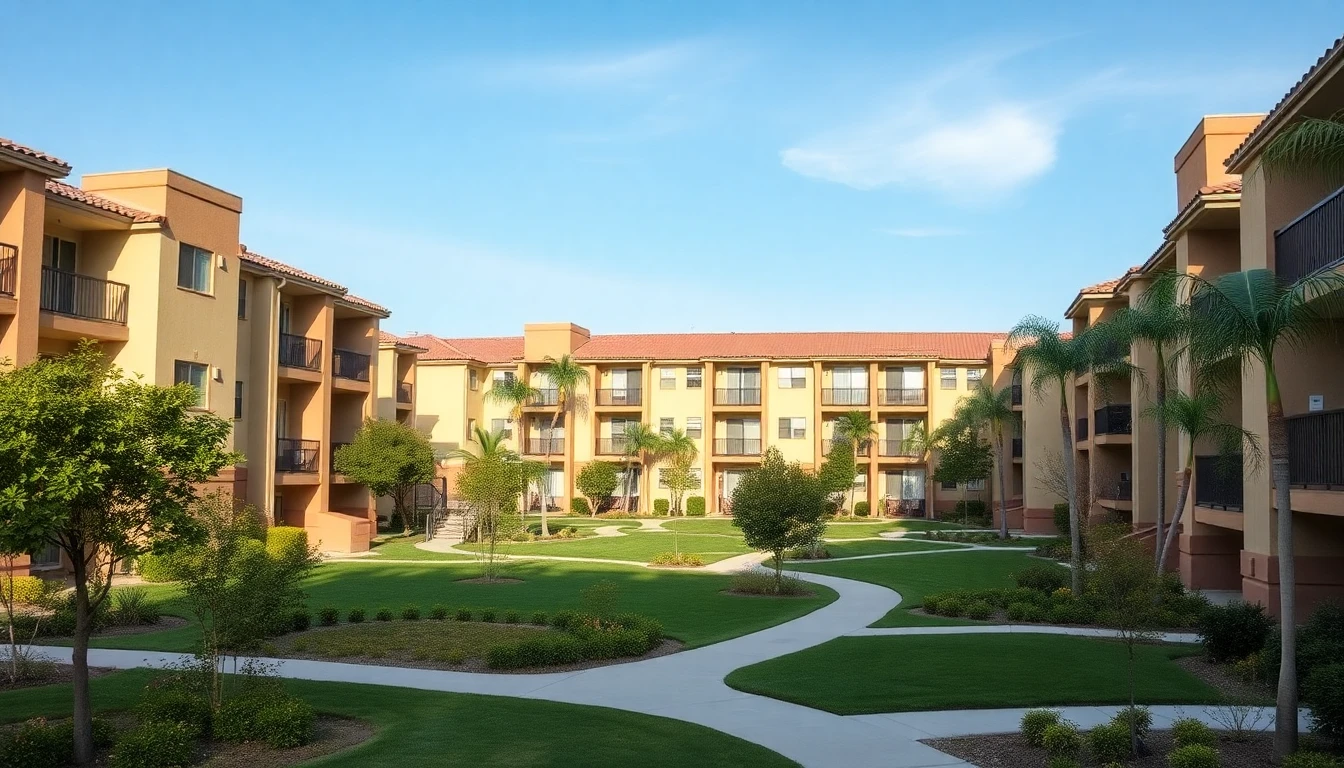
When a single homeowner replaces an electrical panel, the math is simple: one panel, one crew, one permit, one day. When a property manager or HOA board faces the same work across 30, 60, or 120 units, the math changes completely, and so does the pricing. Understanding how bulk electrical panel pricing works helps a board budget accurately, evaluate proposals fairly, and avoid the trap of paying single-unit rates for a project-scale job.
This guide explains the economics behind volume panel replacement for multi-family communities, the factors that move the number up or down, and why sequencing the work together almost always beats replacing panels one at a time as they fail.
Why Bulk Pricing Is Different From Single-Unit Pricing
A one-off electrical panel replacement carries a lot of fixed overhead relative to the actual work. The contractor mobilizes a crew, pulls a permit, coordinates a utility shut-off, sets up, does the job, and demobilizes. Much of that is the same effort whether they’re replacing one panel or the first of forty.
Volume changes the ratio. When those fixed costs get spread across many panels in a coordinated project, the per-panel figure drops. The savings come from real, identifiable efficiencies:
- One mobilization instead of many. The crew shows up once for a scheduled run of work rather than making dozens of separate trips.
- Permit and inspection efficiency. Coordinated projects can often be permitted and inspected as a program rather than as isolated jobs.
- Material purchasing. Ordering panels, breakers, and components in quantity for a single project is more efficient than buying them piecemeal.
- Utility coordination. Scheduling shut-offs and re-energizations in planned blocks reduces the back-and-forth with Southern California Edison.
- Learning curve. By the third identical panel, a crew is moving faster than they did on the first, and that efficiency belongs in your pricing.
This is why a per-panel number quoted for a whole-community project should look meaningfully better than a one-off residential rate. If it doesn’t, that’s a question worth asking the contractor directly.
The Factors That Drive Bulk Electrical Panel Pricing
No honest contractor can give a real community-wide figure without seeing the property, because the drivers vary enormously between buildings. Here’s what actually moves bulk electrical panel pricing:
Panel Count and Access
The most obvious driver is how many panels are in scope: unit sub-panels, house panels for common areas, and the main service equipment. But access matters just as much as count. Panels in open exterior locations are quick to work on; panels buried in unit interiors, subterranean garages, or behind tenant belongings add labor and coordination time.
The Existing Electrical Panels
What’s being replaced shapes the job. Communities with Federal Pacific or Zinsco panels, both of which carry well-documented safety concerns and are increasingly flagged by insurers, often need full replacement rather than repair. The condition of the existing wiring, the presence of aluminum branch wiring, and whether the current service is properly grounded all affect scope.
Panel Size and Service Capacity
Upgrading a community from undersized service to modern capacity is a bigger job than a like-for-like swap. If units are being upgraded from older, lower-amperage panels to higher-capacity service to support today’s electrical demand from EV charging, HVAC, and modern appliances, that added scope belongs in the plan and the budget.
Code-Required Panel Upgrades
Any panel replacement triggers current-code requirements: proper grounding and bonding, arc-fault and ground-fault protection where required, correct clearances, and updated service connections. On older Orange County properties, meeting code is often where the real work lives, and it’s not optional.
Utility and Permit Requirements
Some projects require utility coordination for service upgrades, meter reconfiguration, or temporary shut-offs affecting occupied units. The permitting jurisdiction, whether that’s the city or the county, and the inspection cadence also factor into timeline and cost.
Why Coordinated Electrical Panel Replacement Beats Waiting
Many boards default to a reactive posture: replace panels one at a time as they fail. It feels cheaper because each individual expense is smaller. Over the life of a community, it usually costs more.
Consider the difference. Replacing panels one failure at a time means paying single-unit mobilization, permit, and coordination overhead every single time, dozens of times over the years. It also means the community is carrying known-risk equipment for longer, with the insurance and liability exposure that comes with it. And emergency replacements, done under pressure when a panel fails, rarely come with the pricing advantages of planned work.
A coordinated program flips all of that. The community captures volume efficiency, replaces the highest-risk equipment on a controlled schedule, and gives the board a predictable line item to fund through reserves rather than a string of surprise assessments. For a full look at planning replacements into a reserve study, see our guide to panel replacement for HOA communities.
How to Evaluate a Bulk Panel Replacement Proposal
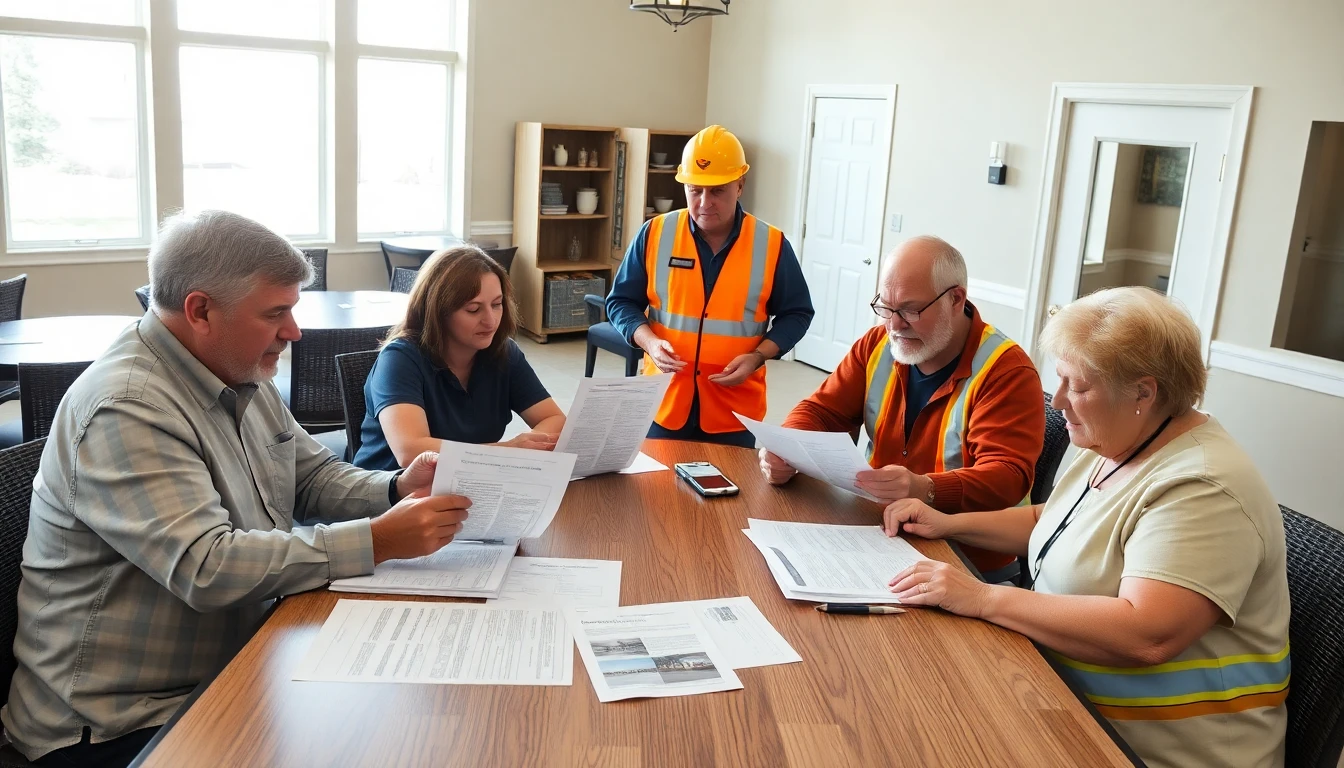
When a contractor gives you a community-wide proposal, a board should be able to see how the number was built. A credible bulk proposal is transparent about:
- Scope per panel. Exactly what’s being replaced and upgraded, unit by unit and for common areas.
- Code-required work. Called out, not buried, so there are no “surprises” mid-project.
- Phasing and timeline. How the work sequences across the community and how resident disruption is managed.
- Documentation. Permits, inspections, and pre/post photos delivered as a record the board can keep.
Be cautious of any proposal that quotes a flat community-wide number without a site visit, or that omits code-required upgrades to make the figure look attractive. Those savings tend to reappear later as change orders.
Why Single-Family Panel Pricing Doesn’t Scale to Communities
Search “electrical panel replacement cost” and you’ll find dozens of guides built for a homeowner replacing one panel in one home. They walk through the cost to upgrade a 100-amp fuse box to a 200-amp service, whether it’s a good DIY project (it isn’t, because panel work is for a licensed electrician), and what most homeowners can expect to pay per panel. That content is fine for a single-family house. It’s actively misleading when a board tries to apply it to a community.
Here’s where the homeowner math breaks down at scale:
- “Average cost per panel” assumes one panel. A homeowner’s per-panel figure bakes in a full mobilization, permit, and utility trip for that single job. In a community, those fixed costs get spread across dozens of panels, so applying a single-family number to 60 units overstates the real per-panel cost, sometimes dramatically.
- The scope is different. A homeowner upgrading to a 200-amp service is solving for one home’s electrical load: an EV charger, HVAC, modern appliances. A community project is solving for unit panels, house panels, common-area systems, and code-required work across the whole property at once.
- “Is it worth it to DIY?” isn’t even a question. Homeowner guides spend paragraphs on whether to hire out panel work. For a multi-family property, licensed, permitted, inspected work isn’t optional. It’s the baseline, and it’s what protects the board.
- Insurance and liability change the calculus. A homeowner weighs replacement against their own comfort. A board weighs it against fiduciary duty, resident safety, and carriers that increasingly won’t insure buildings with older panels.
So when you’re evaluating a proposal, ignore the per-panel numbers floating around consumer cost guides. They’re built for a different problem. The only number that means anything for your community is one built from a count of your actual panels, your existing equipment, and your code requirements.
Get Accurate Electrical Panel Pricing for Your Community
There’s no shortcut to a real figure: it takes a walkthrough of your property, a count of the panels in scope, and an honest assessment of the existing equipment and code requirements. What we can promise is a proposal that’s transparent about how the number is built, phased to minimize disruption to residents, and documented from start to finish.
The Tradesman Electric completes more than 400 panel replacements a year across Orange County multi-family communities, and we handle whole-community projects as coordinated programs, not as dozens of disconnected jobs. To get an accurate, itemized proposal for your community, schedule a free community-wide inspection or call (949) 317-1847 to arrange a walkthrough and board presentation.