
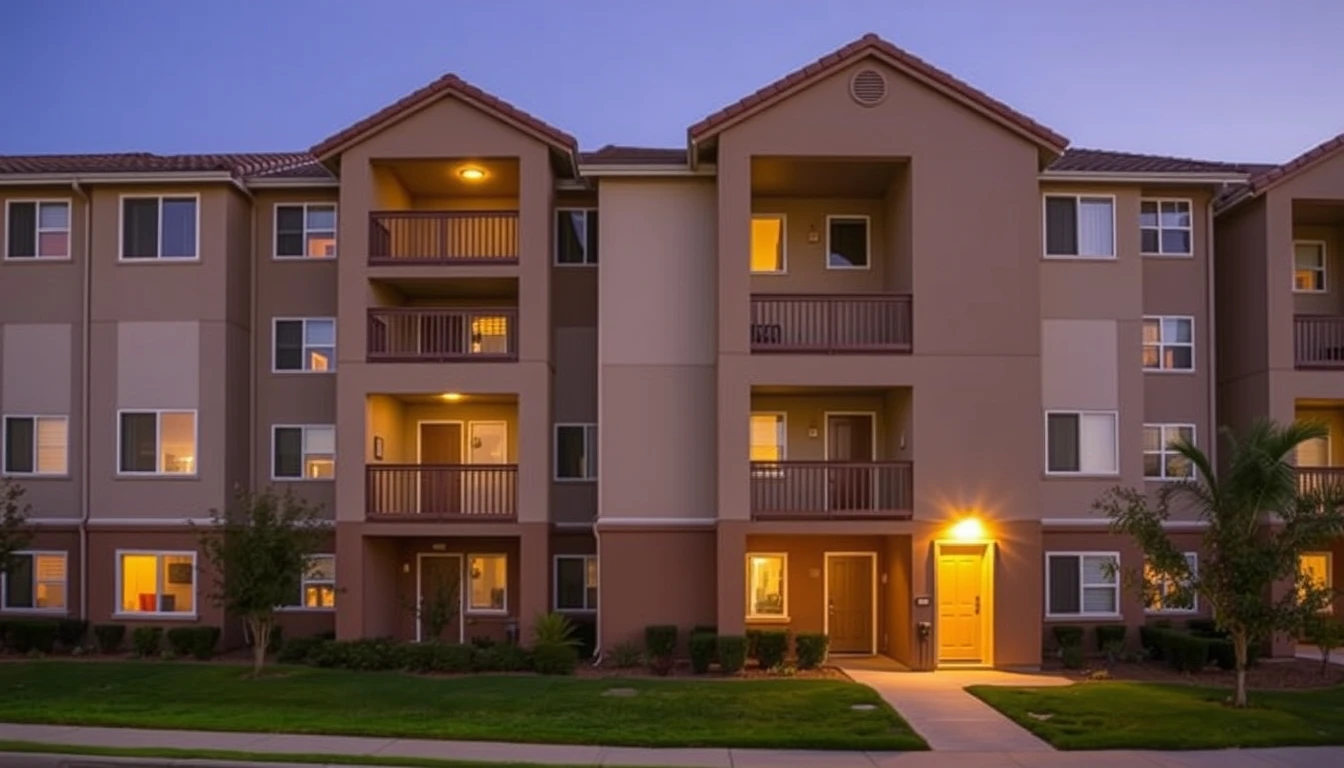
Every property manager knows the difference between the call you schedule and the call you dread. The scheduled one goes in the calendar weeks out, gets bid, gets approved, and happens on a Tuesday. The dreaded one comes at 9 p.m. on a holiday weekend when a panel in an occupied building starts failing and residents are without power. Both replace the same electrical panel. They are not the same cost, and the gap between them is one of the most controllable expenses in a community’s electrical budget.
This article breaks down why emergency panel replacement costs more than planned work, where the hidden costs hide, and how a property manager can shift electrical repairs from the emergency column into the planned column.
Why Emergency Electrical Panel Replacement Costs More
The price difference between emergency and planned panel replacement isn’t a contractor padding the bill. It’s the real cost of doing skilled work under time pressure, outside of an efficient schedule. Several factors stack up:
Premium Labor and Response
Emergency electrical work happens on nights, weekends, and holidays because that’s when equipment fails, or rather, that’s when the failure becomes impossible to ignore. Off-hours response carries premium labor rates industry-wide. A crew pulled onto an urgent call is also a crew not working an efficient, planned route, and that inefficiency is part of the cost.
No Time to Source the Right Materials
Planned work lets a contractor order the correct panel, breakers, and components in advance. An emergency forces whatever can be sourced immediately, which may mean expedited orders, less favorable pricing, or a temporary fix followed by a permanent repair later, which means paying for the work essentially twice.
Compressed Coordination
A planned service upgrade schedules the utility shut-off, the permit, and the inspection in an orderly sequence. An emergency compresses all of that into a scramble, sometimes requiring temporary power, after-hours utility coordination, and rushed permitting. Each of those compressions adds cost.
The Disruption Multiplier
An emergency in an occupied multi-family building is never just an electrical bill. It’s residents without power, potential hotel or habitability obligations, emergency board communication, and the reputational cost of a community caught unprepared. None of that shows up on the electrician’s invoice, but all of it lands on the property manager’s desk.
The Hidden Costs Boards Miss
When a board compares “emergency” against “planned,” they usually look only at the direct repair figure. The real difference is wider than that, because emergency failures carry costs that planned work avoids entirely:
- Collateral damage. A panel that fails catastrophically can damage connected equipment, and in the worst cases, overheating electrical components are a fire risk.
- Habitability exposure. Loss of power in occupied units can trigger obligations the association would rather not test.
- Insurance complications. A failure on known-risk equipment, such as a Zinsco or Federal Pacific panel that the board knew about, is a very different insurance conversation than a documented, planned replacement program.
- Assessment shock. Emergency expenses often can’t wait for a reserve cycle, which means special assessments and unhappy homeowners.
Planned work converts an unpredictable, high-variance emergency into a controlled, budgetable line item. That predictability is worth real money, even before you count the premium on the emergency labor itself.
What Electrical Work Belongs in the Emergency Column
Not every electrical issue is a true emergency, and part of a property manager’s job is knowing the difference. Some situations genuinely can’t wait:
- A burning smell, smoke, or visible arcing from a panel.
- A panel that is hot to the touch or making buzzing or crackling sounds.
- Loss of power to occupied units or to life-safety systems.
- Water intrusion into an energized electrical panel.
- A main breaker that won’t hold or repeatedly trips across the community.
When one of these appears, the safe move is to de-energize if it can be done safely and call a licensed electrician immediately. The cost of responding is real, but the cost of ignoring any of these is far higher.
Moving Panel Replacement From Emergency to Planned

The good news for a property manager is that most emergency panel failures are foreseeable. Equipment that fails at 9 p.m. on a holiday almost always showed warning signs weeks or months earlier, and a community with a proactive program catches those signs while the work can still be scheduled.
Three practices move the needle:
1. Run regular inspections. A standing electrical inspection routine surfaces failing components, known-risk panel brands, and overloaded circuits before they become emergencies. Our property manager’s inspection protocol walks through exactly what to look for.
2. Replace known-risk equipment on a schedule. If a community still has Federal Pacific or Zinsco panels, those aren’t questions of “if” so much as “when.” Replacing them as a planned program, before one fails, captures planned pricing and closes an insurance and safety exposure at the same time.
3. Budget replacements into reserves. When panel replacement lives in the reserve study, the board funds it in an orderly way rather than reaching for a special assessment after a failure. This is the single biggest lever a board has to keep electrical work in the low-cost column.
Why Generic Panel Cost Guides Mislead Property Managers
If you research “emergency panel replacement cost,” almost everything you’ll find is written for a single homeowner. These guides quote an average cost to replace an electrical panel, break down labor by the hour, price a 200-amp panel against a home’s square footage, and debate whether a homeowner should DIY the job. For a property manager responsible for a multi-family community, that content isn’t just unhelpful. It points you at the wrong decision entirely.
Here’s what the homeowner-focused cost guides get wrong for your situation:
- They price the panel, not the emergency. A consumer guide estimates what a planned, single-panel replacement runs in a home. It says nothing about the premium you pay when a panel fails at 9 p.m. in an occupied building: the after-hours labor, the emergency utility coordination, the temporary power, the resident displacement.
- They assume one home, one panel. Their per-panel and per-hour figures are built around a single-family house with one electrical system. A community has unit panels, house panels, and common-area circuits, each aging on its own timeline. Multiplying a homeowner’s number by your unit count tells you nothing useful.
- They frame it as a homeowner’s choice. Consumer content treats panel replacement as an optional upgrade a homeowner budgets for. For a board, replacing a failing or documented-risk panel is a fiduciary and safety obligation, not a home-improvement wish-list item.
- They ignore the liability math. The real “cost” of an emergency for a community isn’t just the invoice. It’s habitability exposure, insurance complications, and special assessments. None of that appears in a homeowner cost calculator.
The takeaway: don’t let a consumer cost guide set your board’s expectations. The number that matters for your community comes from a professional assessment of your actual panels and their condition, not an average pulled from single-family homes.
Warning Signs of a Failing Electrical Panel
The best way to control emergency replacement cost is to see the emergency coming. Failing electrical panels almost always signal trouble before they fail outright, and a property manager who knows the warning signs can move a panel from the emergency column to the planned column. Train your staff and encourage residents to report:
- Flickering or dimming lights across multiple units, which can point to a failing main connection or an overloaded panel.
- Breakers that trip repeatedly or won’t reset, which signals overloaded circuits, a failing breaker, or a deeper wiring problem.
- A burning smell, buzzing, or crackling near any panel, which signals overheating at the connections.
- A warm or discolored panel cover, indicating heat building inside.
- Corrosion, rust, or moisture in or around the panel, especially in outdoor and subterranean installations.
- Known-risk panel brands. Federal Pacific and Zinsco panels carry documented safety concerns, including breakers that can fail to trip and, in Zinsco’s case, bus bar corrosion, that make an eventual failure more likely. Neither was formally recalled, but both are treated as serious risks by electricians and insurers, and both belong at the front of any replacement plan.
Catching any of these early lets a licensed electrician evaluate and replace the panel on a planned schedule, at planned pricing, instead of under emergency conditions. That single habit of acting on warning signs instead of waiting for failure is the biggest lever a community has over its electrical costs.
The Bottom Line for Your Community
Emergency panel replacement will always cost more than planned work. That’s the nature of doing skilled, permitted, code-compliant work under pressure. But the frequency of emergencies is largely within a board’s control. Communities that inspect regularly, replace known-risk equipment on a schedule, and budget through reserves spend far less over time than communities that wait for failures and pay premium rates to fix them.
The Tradesman Electric handles both: emergency response when a community needs it now, and planned replacement programs that keep most communities out of the emergency column entirely. If your board wants to get ahead of aging electrical equipment before it fails, schedule a free community-wide inspection or call (949) 317-1847 to talk through a planned approach for your property.