
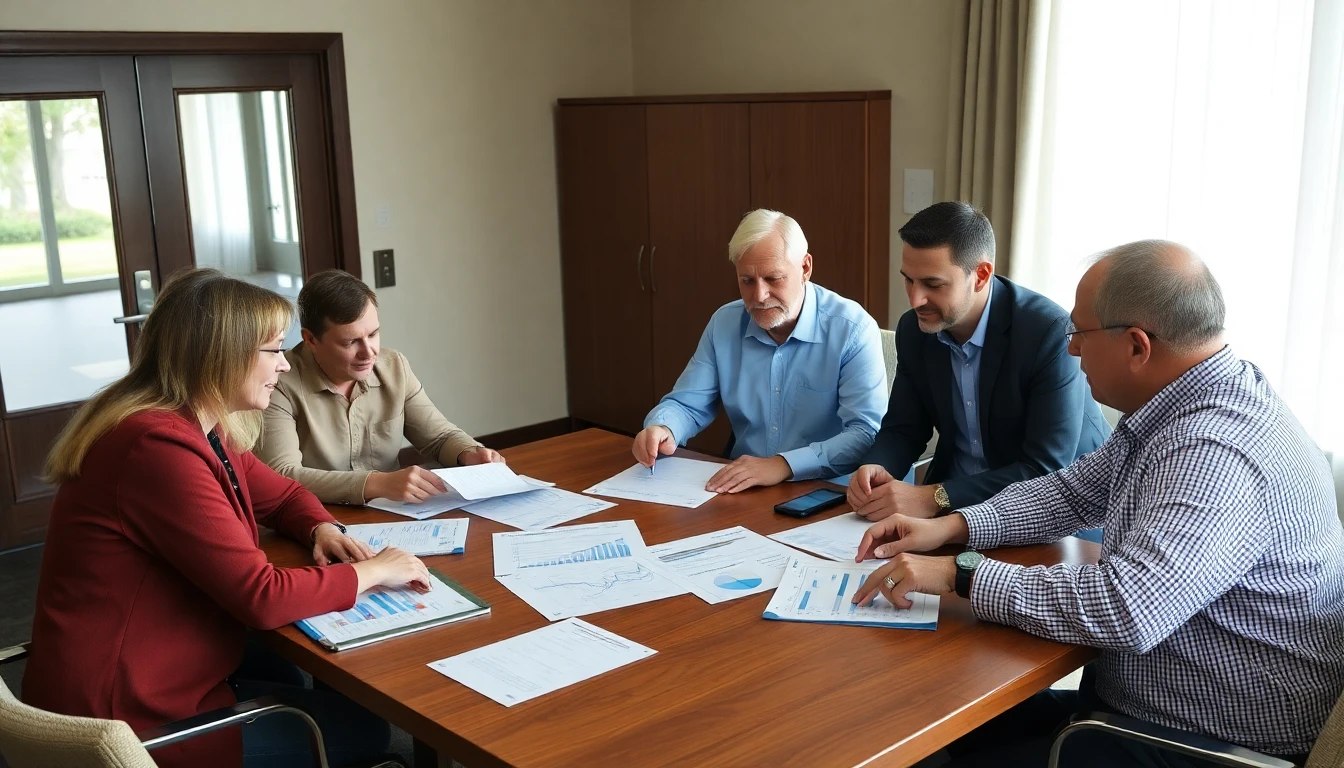
Most HOA reserve studies track the obvious big-ticket items: roofs, paving, pools, and paint. Electrical panels are easy to overlook, right up until aging panels, an insurance non-renewal, or California's SB 382 disclosure deadline forces the issue. By then the board is reacting under pressure instead of planning ahead.
Electrical panels belong in your reserve study and capital plan like any other major component with a finite useful life. This guide explains why, how to think about the useful life of a panel, when to add panel replacement to the funding plan, and how California reserve requirements shape the decision, so your community funds the work on its own timeline rather than an emergency one.
What a Reserve Study Is and Why Electrical Panels Belong in It
A reserve study is the long-term plan that tells an HOA board what major components it owns, how much useful life each has left, and how much the reserve fund needs to set aside so the money is there when each component reaches the end of its life. It is the backbone of responsible capital planning for any community association.
Reserve studies routinely capture roofs, asphalt, and mechanical systems like HVAC systems. Electrical panels, both in common areas and (depending on your governing documents) the panels serving individual homes, are major components too. They have a defined useful life, a meaningful replacement scope, and a real impact on safety and property values. Leaving them out of the reserve study doesn't make the cost disappear; it just turns a planned capital improvement into a deferred-maintenance emergency later.
How the Reserve Study Process Works
Understanding the reserve study process helps a board see where electrical panels fit among the community's major community assets. A reserve study is typically prepared by professional reserve analysts who inventory the key components an association is responsible for, assess the remaining useful life of each, and build cost estimates for the eventual repair or replacement costs. The standards most analysts follow come from the Community Associations Institute, the national body for this work.
The study then models the reserve accounts over a long-term horizon, usually 30 years, projecting reserve contributions against the timing of major repairs and capital projects. The objective is a long-term plan that keeps the reserve balance above a healthy minimum reserve balance and steadily moves the fund toward being fully funded, so capital improvements happen on schedule rather than through emergency special assessments. Adequate reserve funding is what lets a board treat a major component's replacement as a routine capital improvement instead of a crisis.
Electrical panels are one of those capital improvements. When the reserve study process treats panels as a distinct key component, with their own remaining useful life and replacement costs, rather than lumping them into a vague "electrical" line, the board gets an accurate long-term picture. That accuracy is what prevents the deferred maintenance trap, where a postponed capital improvement quietly becomes a safety hazard, a future repair under emergency conditions, and a drag on property values.
The Useful Life of an Electrical Panel
Every reserve component is planned around two numbers: its total useful life and its remaining useful life. For electrical panels, most modern equipment has a useful life in the range of 25 to 40 years, depending on the manufacturer, the environment, and how heavily the system is loaded.
That range is the starting point for reserve planning, but two things shorten it dramatically:
- Outdated or unsafe panels. Panels with documented safety concerns, including FPE/Stab-Lok, Zinsco, Pushmatic, and certain Challenger models, should be treated as end-of-life regardless of calendar age. Their remaining useful life for planning purposes is effectively zero.
- Insurance and disclosure pressure. When carriers won't renew over a panel type, or a sale triggers disclosure, the practical replacement timeline moves up no matter what the reserve schedule says.
A professional assessment of your actual panels, what brands are installed and what condition they're in, is what turns a generic useful-life assumption into an accurate remaining-useful-life figure for your specific community.
When to Add Panel Replacement to Your Reserve Plan
The right time to add panel replacement to the reserve plan is before it becomes urgent. Practically, that means:
- At the next reserve study update, ask your reserve analyst to inventory electrical panels as a distinct major component, not a line buried under "electrical."
- When an inspection flags unsafe panel brands, move those panels to the front of the capital plan; they are deferred maintenance with a safety and liability clock running.
- To keep pace with disclosure law. California's SB 382 disclosure requirement took effect January 1, 2026, so funding for at-risk panels should already be built into the plan rather than scrambled together after a sale triggers the disclosure.
Treating panels as a planned capital improvement rather than a surprise is the difference between an orderly funding plan and an emergency special assessment. The communities that plan ahead protect both their reserve balance and their residents from a sudden financial hit.
Funding the Work: Reserve Fund vs. Special Assessment
Once panels are in the plan, the board has a funding strategy decision. There are three common paths, and a sound reserve plan usually blends them:
- Reserve fund contributions. The healthiest approach is steady reserve contributions over the component's life, so the reserve fund reaches adequate, ideally full, funding by the time replacement is due. This spreads the impact across many years of owners.
- Special assessments. When reserves are underfunded and a panel program can't wait, a special assessment fills the gap. It works, but it lands hard on current owners and invites resistance, which is exactly why planning ahead matters.
- Phased capital projects. Large communities can stage major projects over multiple budget cycles, addressing the most hazardous panels first and scheduling the rest as reserves rebuild.
The board's goal is to keep the reserve fund on track toward full funding so panels, like every other capital project, are paid for predictably rather than through an emergency assessment. A sound funding strategy treats panel replacement as a planned capital improvement within the capital improvement fund, with reserve contributions sized so the reserve balance never drops below a safe minimum reserve balance.
Good capital planning here pays off twice. Communities with adequate reserve funding and a clear long-term plan avoid the deferred maintenance spiral, keep their major community assets safe, and protect against the declining property values that follow visible, undocumented neglect. Boards that treat electrical panels as one of their core capital improvements, funded through the reserve study like roofs and HVAC systems, make the eventual replacement a non-event.
When reserves fall short, boards weigh funding options beyond steady contributions: special assessments, HOA bank loans, and structured payment plans that spread the impact. A careful financial analysis, weighing the association's risk tolerance, the annual budget, and threshold funding targets, helps the board choose without surprise costs or additional fees later. The aim is to save money over the long run by planning capital expenditures rather than reacting to emergency projects and the future expenses they trigger, so members can make informed decisions. Treating panels as planned capital improvements, not surprises, is what keeps that whole calculation under control.
Warning Signs That Move Panels Up the Capital Plan
Electrical panels differ from cosmetic reserve items like building painting because their failure modes are safety hazards, not aesthetics. Faulty wiring, overloaded circuits, loose connections, and aging circuit breakers don't just shorten a panel's life; they create fire risk and drive insurance claims. That makes panels one of the major common area components a physical analysis should flag early, right alongside planned replacements for roofs and mechanical systems.
When an inspection surfaces these warning signs, the affected panels move up the capital plan. Keeping them in the plan also supports legal compliance with California's reserve and disclosure legal requirements, keeps current costs visible for potential buyers, and helps the board avoid deferred maintenance and the runaway maintenance costs that follow when safety work is postponed. Documented, planned capital improvements protect the community on every front at once.
California Reserve Requirements Boards Should Know
California gives HOA boards a clear framework here. Under the Davis-Stirling Act, associations must conduct a reserve study at least every three years (with annual review), disclose reserve funding status to members, and prepare a funding plan to meet reserve requirements over time. Boards have a fiduciary duty to fund reserves responsibly, and electrical panels, as a major component affecting safety, belong in that analysis.
Documenting panels in the reserve study also helps ensure compliance with the broader obligations boards carry: keeping common-area systems safe, maintaining insurability, and meeting disclosure rules like SB 382. A reserve study that ignores an aging or unsafe panel inventory leaves a compliance and liability gap that surfaces at the worst possible time.
Reserve Study Requirements: California vs. Other States
Reserve study rules vary widely by state, and it helps California boards to see the national picture. After the 2021 Surfside collapse, Florida enacted some of the strictest reserve laws in the country: Florida law now requires structural integrity reserve studies (often called SIRS) for many condominium buildings, mandating reserve funding for major structural and safety components and sharply limiting the ability to waive reserves. Those structural integrity reserve studies put real legal teeth behind capital planning.
California takes a different path. Here, the Davis-Stirling Act requires associations to complete a reserve study at least every three years, disclose reserve funding status to members, and prepare a funding plan, but California gives boards more discretion over funding levels than Florida's structural integrity reserve studies regime. The way we read it: in some states like Florida the reserve requirements are prescriptive and safety-driven, while in California the reserve requirements lean on disclosure and the board's fiduciary duty to decide funding strategy. Neither approach lets a board ignore a major safety component.
What does this mean for electrical panels? In every state, the principle is identical: a major safety component with a finite useful life belongs in the reserve study and the long term plan. Whether your reserve requirements resemble Florida's structural integrity reserve studies or California's Davis-Stirling framework, an aging or unsafe panel is a capital improvement that needs funding before it becomes an emergency, and that is how we counsel every Orange County community we serve.
How Unsafe Panels Change the Timeline
Reserve planning assumes components age predictably. Unsafe panels break that assumption. FPE panels carry documented safety concerns: the CPSC investigated them, and FPE's UL listing was revoked after fraudulent test data. Zinsco panels have documented failure modes such as bus-bar corrosion identified in fire investigations. Certain Challenger breakers were subject to actual CPSC recalls.
These are not abstract concerns. Breakers that fail to trip create a significant risk of electrical fires, the exact hazard a reserve plan should be working to retire. For a reserve study, that means these panels shouldn't be scheduled out 10 or 20 years; they're a present-day capital improvement and safety priority. Many insurance carriers also will not write or renew policies on properties with these panels, which can force the timeline regardless of the reserve schedule. Identifying them early, and funding their replacement deliberately, keeps the board ahead of both the safety risk and the insurance pressure.
Getting an Accurate Picture for Your Reserve Study
A reserve study is only as good as the data behind it. For electrical panels, that means knowing exactly what's installed across the community: the panel brands, their condition, code issues, and which ones are unsafe. Generic assumptions about useful life and current replacement scope are a starting point; a real inventory is what your reserve analyst needs to plan accurately.
This is where a specialist contractor adds value to the reserve process. A community-wide electrical assessment documents every panel, flags hazards, and gives the board a prioritized picture it can hand straight to the reserve analyst. For the specifics that belong in your plan, scope, timeline, and the current replacement picture for your particular community, the right step is a professional assessment rather than a generic estimate. We don't quote a number sight-unseen; we look first.
Building Panels Into the Long Term Plan
The payoff of all this is a long term plan the whole board can stand behind. When panel replacement lives in the capital improvement fund as a funded line, capital planning becomes straightforward: the board knows the timing, the funding strategy is set, and there is no scramble for special assessments when a panel finally fails. A community that has mapped its replacement costs and future repairs across a long term horizon can absorb a panel program as one more scheduled capital improvement rather than a shock.
Boards that conduct reserve studies on schedule and fund them honestly protect the community's long-term financial health. Proactive maintenance, which tracks the estimated remaining useful life of every major component from roofs and solar panels to electrical panels, is far cheaper and safer than reacting to failures. Done well, HOA reserve study electrical panels planning turns the single largest electrical capital improvement most communities face into a funded, scheduled event rather than a crisis, and keeps panels in line with every other capital improvement on the books.
That long term discipline is also what insurers, buyers, and reserve analysts reward. A funded long term plan signals a community that manages its capital improvements proactively, protecting property values, keeping special assessments rare, and treating replacement costs and future repairs as planned events. Panels handled this way join roofs, paving, and HVAC systems as ordinary capital improvements rather than emergencies, which is exactly what sound capital planning and a disciplined funding strategy are meant to deliver.
In short, the board's job is to ensure compliance with California's reserve rules and set aside enough in the reserve accounts so the fund stays fully funded as components age. A reserve study that names electrical panels among its key components, builds honest cost estimates for the major repairs and replacements ahead, and routes them through the capital improvement fund turns panel work into one of many planned capital improvements: funded, scheduled, and stress-free. That discipline is what separates communities that fund capital improvements proactively from those caught flat-footed.
The Tradesman Electric Difference
Tradesman Electric has served Orange County since 1991 as a process-driven, systems-focused electrical contracting firm, not a handyman service. As a panel replacement specialist serving Orange County, we help HOA boards and property managers build an accurate panel inventory for reserve planning: every panel documented, every hazard flagged, and a prioritized plan the reserve analyst and the board can actually use.
If your community is updating its reserve study or facing aging panels, the first step is simple and free: schedule a free panel inspection or call (949) 978-0535 to speak with a trained electrician. We'll assess the scope honestly so your reserve plan reflects reality. If a repair is enough, we'll say so; if replacement is warranted, we'll explain why.
Frequently Asked Questions
Should electrical panels be in an HOA reserve study?
Yes. Electrical panels are major components with a finite useful life, real safety implications, and meaningful replacement scope. Leaving them out of the reserve study turns a planned capital improvement into a deferred-maintenance emergency later.
What is the useful life of an HOA electrical panel?
Most modern panels last 25 to 40 years, but unsafe brands (FPE, Zinsco, Pushmatic, certain Challenger models) should be treated as end-of-life regardless of age, and insurance or disclosure pressure can move the timeline up.
How should an HOA fund electrical panel replacement?
Ideally through steady reserve fund contributions that reach full funding by the time replacement is due. When reserves fall short, a special assessment or a phased approach across budget cycles can fill the gap, though planning ahead avoids the hardest assessments.
Do California HOAs have to plan reserves for electrical panels?
Under the Davis-Stirling Act, California associations must complete a reserve study at least every three years and prepare a funding plan. Boards have a fiduciary duty to fund major components responsibly, and aging or unsafe electrical panels belong in that analysis.