
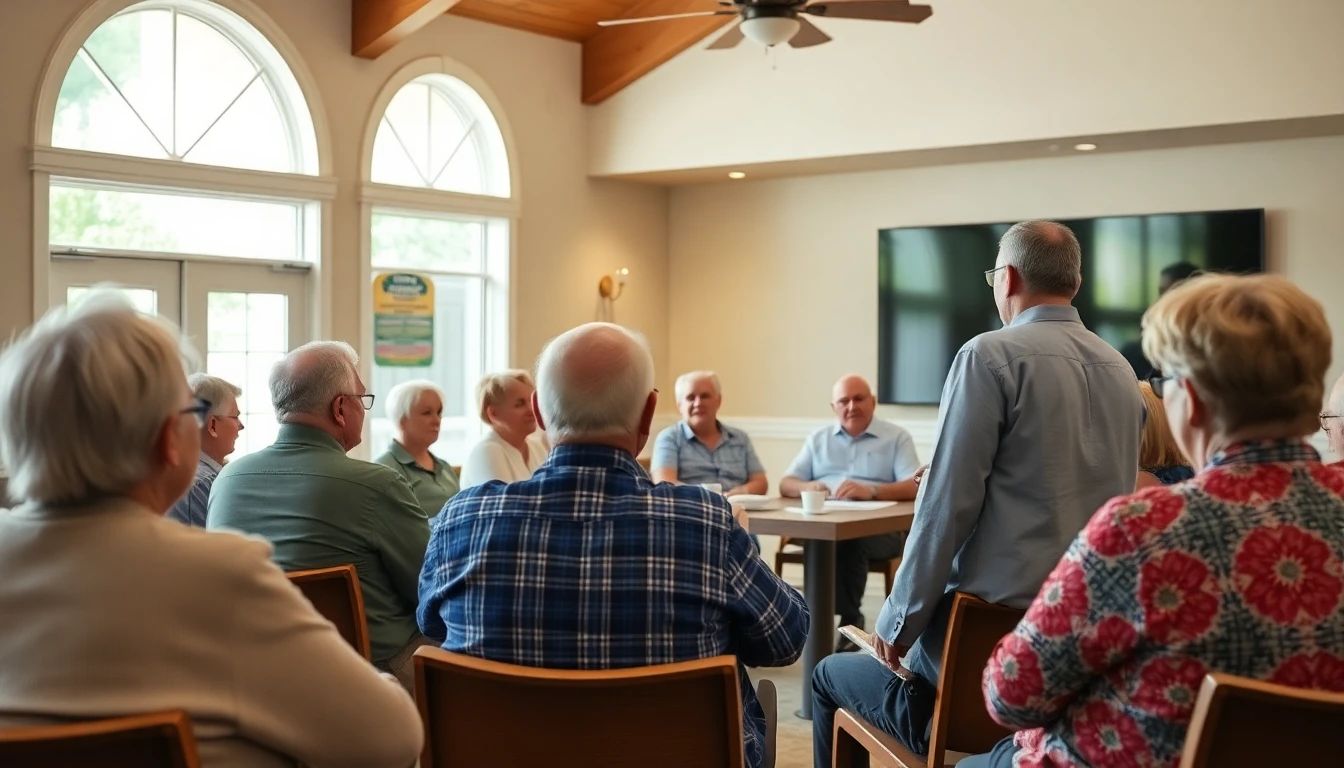
Most conflict inside a homeowners association traces back to one root cause: poor communication. A surprise power outage, an unexplained special assessment, or a project that starts without warning turns reasonable residents into frustrated ones. Effective HOA resident communication is what prevents that — and it matters most during the big, disruptive projects, like a community-wide electrical panel replacement, where residents feel the impact directly.
This guide covers the channels, tools, and plan that make HOA communication work, and then applies them to the moment that tests every community: keeping residents informed through a major project. We write this as the contractor that runs those projects across Orange County, because we've seen firsthand that communication makes or breaks the experience.
Why Effective HOA Communication Matters
Strong communication is not a nice-to-have for a community association — it's the foundation of trust between the HOA board and the people it serves. When communication is clear, residents feel respected, projects run smoothly, and the board spends less time fighting fires. When communication is poor, even good decisions breed resentment.
Effective communication also protects the things boards care about most. Communities known for transparency and responsiveness tend to maintain stronger property values and higher resident satisfaction. Community building happens through consistent, honest communication — newsletters that actually inform, board meetings that welcome input, and timely answers when residents have questions. Poor communication does the opposite: it erodes trust, fuels disputes, and makes every future project harder to deliver.
The Core HOA Communication Channels
There is no single right way to reach everyone. Modern HOA communication relies on multiple communication channels because residents have different preferred communication methods — and meeting community needs means using the right mix.
- Email and newsletters. Still the workhorse for routine updates, financial reports, and non-urgent announcements.
- Resident portals. Dedicated HOA communication tools and resident portals centralize documents, payments, maintenance requests, and announcements in one place residents can check anytime.
- Text messages and urgent alerts. For time-sensitive notices — a water shutoff, a power outage, a schedule change — text messages and urgent alerts reach residents faster than any other channel.
- Social media and community groups. Many homeowners associations use social media or private community groups for community events, reminders, and informal engagement.
- Board meetings. The formal channel for decisions and resident input, and a cornerstone of transparent HOA management.
- Traditional methods. Printed notices, door hangers, and mailed letters still matter — especially for residents who don't use digital tools, and for legally required notices.
The strongest communities layer these channels rather than relying on one. A board that only emails will miss the residents who never open email; a board that only posts to social media will miss everyone who isn't on it.
Building a Communication Plan
Channels alone aren't a strategy. A comprehensive communication plan defines what gets communicated, through which communication tools, to whom, and how often. The best communication strategies share a few traits:
- They map message to channel. Routine financial reports go in the newsletter; urgent alerts go by text. Matching the message to the right communication channels is half of communication effectiveness.
- They respect communication preferences. Letting residents choose their preferred communication methods — email, text, or portal — dramatically improves whether messages actually land.
- They're consistent. A predictable rhythm of updates builds trust; sporadic communication breeds anxiety.
- They're two-way. Effective HOA communication invites feedback, not just broadcasts. Residents who feel heard cooperate; residents who feel talked-at resist.
A written communication plan also protects the board. When communication practices are documented and consistent, no one can credibly claim they "were never told" — which matters enormously when a project disrupts daily life.
The Board Members' Role in HOA Communication
Communication ultimately rests with the board members. In most homeowners associations, board members set the tone for how the community shares information, and the habits of the board members determine whether residents feel informed or ignored. Effective communication starts when board members commit to transparency — publishing decisions, explaining the reasoning, and making themselves reachable.
Board members don't have to do it all by hand. Property managers and HOA communication tools handle the mechanics, but board members own the strategy: deciding what the community needs to know, approving the communication plan, and modeling the honest, respectful tone that effective HOA communication depends on. When board members treat communication as a core duty rather than an afterthought, homeowners associations run measurably smoother.
The best board members also listen. Effective communication is two-way, and board members who invite resident input at board meetings, through surveys, and across the community's communication channels build the trust that carries a community through hard decisions. In homeowners associations where board members communicate poorly, every project becomes a battle; where board members communicate well, even unpopular decisions land with less friction. That difference in effective communication is almost always a difference in how engaged the board members choose to be.
Choosing the Right HOA Communication Tools
The market for HOA communication tools has expanded dramatically. Modern communication tools range from dedicated resident portals and HOA management platforms to email services, mass-text systems, and social media groups. Choosing the right HOA communication tools means matching the tools to the community's size, demographics, and communication preferences.
For larger homeowners associations, all-in-one HOA communication tools that combine a resident portal, document storage, and mass messaging reduce the chaos of juggling separate systems. For smaller HOA communities, a simpler stack — email, a text-alert service, and a single social media group — often covers the community's needs without added complexity. The right communication tools also scale: as a community grows, its HOA communication tools should grow with it.
Whatever the mix, the principle holds: communication tools should serve the community, not the other way around. The best HOA communication tools make it easy for board members to reach every resident through a preferred channel, easy for residents to find information, and easy to send urgent alerts when something can't wait. Social media has a clear role for community events and informal engagement, but it should complement — not replace — the official communication channels that carry decisions and notices. HOA communities that invest in the right communication tools spend far less time managing communication breakdowns, and their board members spend far less time fielding avoidable complaints.
Strengthening Community Through Communication
Communication isn't only logistics — it's community building. The same communication channels that deliver notices also create belonging when boards use them well. Announcing community events, celebrating volunteers, and sharing wins through the community's communication tools turns a collection of households into an actual community. Homeowners associations that pair practical updates with genuine community building see higher participation at board meetings and more goodwill when difficult projects arise.
That goodwill is an asset. A community accustomed to honest, frequent communication — and to community events that bring neighbors together — extends more patience when a major project disrupts daily life. Effective HOA communication, in other words, is something boards invest in before they need it.
Proactive communication ties it all together. An engaged community is built when boards celebrate community achievements, foster connections among neighbors, and reach the entire community through both modern social media platforms and traditional methods. The right HOA communication tools also handle the day-to-day: service requests, reminders about community guidelines, and easy access to the governing documents every resident occasionally needs. Effective communication that blends proactive communication with easy access to information keeps the entire community engaged — and an engaged community is far easier to lead through change.
Communication Strategies That Build a Successful Community
The most successful homeowners association treats communication as an ongoing strategy, not a series of one-off notices. Strong communication strategies combine routine transparency — detailed financial reports, updates on maintenance projects, and board meeting recaps — with the responsiveness that makes community members feel heard. The HOA board sets these communication strategies, and community leaders — board members, committee chairs, and engaged volunteers — carry them into daily community life.
Practical communication strategies a successful homeowners association relies on:
- Inform residents early and often. Whether it's a budget change or upcoming maintenance projects, the HOA board that informs residents before rumors start keeps trust intact.
- Host community forums. Open community forums — in person or online — give community members a structured way to raise concerns and shape decisions before they harden into conflict.
- Publish detailed financial reports. Transparency around reserve funds and detailed financial reports reassures community members that the HOA board is a responsible steward of their money.
- Engage community leaders. When community leaders model open communication, the tone spreads through community life and participation rises across the community.
These communication strategies don't just smooth individual projects — they build the kind of engaged, trusting community where a successful homeowners association can tackle even disruptive maintenance projects without losing goodwill. An HOA board that masters communication strategies in calm times has a far easier job when a hard project arrives.
Communicating Major Projects: The Panel Replacement Example

Nothing tests a community's communication strategy like a major project. A community-wide electrical panel replacement is the perfect example: it requires planned power outages at individual homes, crew access, and weeks of coordinated scheduling. Handled well, residents barely notice. Handled poorly, the board's inbox fills with complaints.
A strong project-communication sequence looks like this:
- Announcement. Well before work starts, explain the why — aging or unsafe panels, insurance requirements, safety — using multiple communication channels so every resident hears it.
- Scheduling. Give each home its date and what to expect, with a clear point of contact for conflicts and special needs.
- Day-before reminder. A text message and email reminder the day before, including the expected power-outage window (typically 8 a.m.–5 p.m.).
- Day-of expectations. What residents need to do, who will be on site, and when power returns.
- Completion follow-up. Confirmation the work is done, documentation for their records, and a thank-you for cooperating.
The boards that run this sequence — and adapt it for absentee owners, renters, and residents who need extra help — finish projects with goodwill intact. The ones that skip steps spend the project apologizing.
Communicating Through Disruption: Power Outages and Access
Disruptive work demands a higher cadence of communication. When residents will lose power or need to provide crew access, vague notices aren't enough. Spell out the exact window, what won't work during the outage (so no one loses food or misses medical-device needs without planning), and how to reach someone if there's a problem. Urgent alerts by text are essential here, backed by printed door notices for anyone offline.
This is also where honest communication pays off. If a schedule slips or a home's work runs long, say so immediately. Residents forgive delays they're told about; they resent surprises. A specialist contractor that provides the board with status updates makes this kind of honest, real-time communication possible instead of leaving the board guessing.
Measuring Communication Effectiveness
Good boards treat communication as something to improve, not just perform. Simple measures of communication effectiveness include open rates on emails, attendance and participation at board meetings, the volume and tone of complaints during projects, and direct resident feedback. Surveying resident expectations once a year reveals which channels residents actually use and trust, so the board can refine its mix rather than guess.
The goal isn't more communication — it's communication that meets community needs. A community that hears the right message, on the right channel, at the right time, is a community that cooperates.
Future Challenges and Emerging Trends in HOA Communication
HOA communication keeps evolving, and boards face new future challenges. Among the emerging trends shaping the next few years:
- Consolidated platforms. All-in-one HOA management and resident-portal tools are replacing scattered email threads, centralizing the community's communication.
- Mobile-first urgent alerts. Residents increasingly expect text-message immediacy for anything time-sensitive.
- Rising transparency expectations. Residents want financial reports, reserve funds status, and project updates available on demand, not once a year.
- Engagement fatigue. As channels multiply, the future challenge is reaching residents without overwhelming them — making message discipline more important than message volume.
Boards that adapt their communication tools and strategies to these emerging trends will keep their communities informed; those clinging only to traditional communication methods will steadily lose reach.
How a Specialist Contractor Lightens the Communication Load
Here's the part most boards underestimate: the right contractor carries much of the project-communication burden for you. When a community runs a panel program with Tradesman Electric, residents get clear scheduling, day-before reminders, and on-site professionals who explain what's happening — and the board gets weekly status updates it can pass straight to the community. As a panel replacement specialist serving Orange County, we treat resident communication as part of the job, not an afterthought, because we know it determines whether a technically perfect project actually feels successful to the people living through it.
That coordination — handling resident notices, access scheduling, and documentation — is part of what separates a community electrical specialist from a general electrician who simply shows up to swap a panel.
The Tradesman Electric Difference
Tradesman Electric has served Orange County since 1991 as a process-driven, systems-focused electrical contracting firm — not a handyman service. We run community-wide projects as managed programs, with the documentation and resident communication that keep boards, property managers, and homeowners informed at every step.
If your HOA is planning a panel program or facing aging electrical systems, the first step is simple and free: schedule a free panel inspection or call (949) 978-0535 to speak with a trained electrician. We'll handle the project — and the communication that makes it go smoothly — so your board can focus on the community.
Frequently Asked Questions
What are the best HOA resident communication channels?
A layered mix: email and newsletters for routine updates, resident portals for documents and requests, text messages and urgent alerts for time-sensitive notices, board meetings for decisions, and printed notices for residents who are offline or for legally required communications.
How should an HOA communicate a major project like panel replacement?
Use a sequence — early announcement of the why, per-home scheduling, a day-before reminder with the power-outage window, clear day-of expectations, and a completion follow-up — delivered across multiple channels and adapted for absentee owners and renters.
How can a board improve communication effectiveness?
Match each message to the right channel, let residents set their preferred communication methods, keep a consistent rhythm, invite two-way feedback, and measure results through open rates, meeting participation, and resident surveys.
Who handles resident communication during an electrical project?
With a specialist contractor, much of it is shared: the contractor provides scheduling, reminders, and status updates the board can relay, rather than leaving the board to coordinate the crew and the community alone.