

Choosing an HOA electrical contractor is not the same as hiring a tradesperson for a single home. When an HOA signs off on community-wide panel work, they are committing residents' money, the association's liability, and months of coordination to one company. The wrong choice shows up later as missed permitting, inconsistent work, compliance gaps surfacing at inspection, and a program that drags on while complaints pile up.
The difference between a general licensed electrician and a community electrical specialist matters more than most boards realize. This guide explains what separates the two, what HOA leadership and property managers should look for before they hire, and what to expect once the program begins.
Why an HOA Needs a Specialist, Not Just Any Electrical Contractor
A general electrical contractor is built for one home at a time. An HOA program is a different animal: dozens or hundreds of properties, a shared timeline, permit coordination across a whole community, and residents who all need clear communication and access scheduling.
A community electrical specialist is built for that scale. They bring program management, documentation, and crew capacity that a solo electrician simply cannot match. For the HOA board carrying fiduciary responsibility for the decision, that operational difference is the difference between a smooth engagement and a stalled one. HOA electrical services delivered at community scale require a level of process discipline that one-job-at-a-time electricians have no reason to develop.
What a General Licensed Electrician Misses on Community Programs
A skilled, licensed electrician may do excellent work on an individual panel. But community-scale HOA electrical work exposes gaps that don't appear on a single-home installation:
- No program coordination. Scheduling 100+ homes, SCE meter work, and city inspections is a full-time coordination role, not a side task.
- Thin documentation. Associations need pre- and post-install photos, permit records, and inspection sign-offs for insurance and legal review, not a paper invoice.
- Limited crew capacity. One or two tradespeople can't keep a community-wide timeline without the work stretching for months.
- No materials buffer. Without warehouse capacity to pre-order panels, a single supply delay stalls the entire community.
None of this reflects on the electrician's skill. It reflects the scope. Community electrical programs need systems, not just hands.
What an HOA Electrical Specialist Brings to the Project
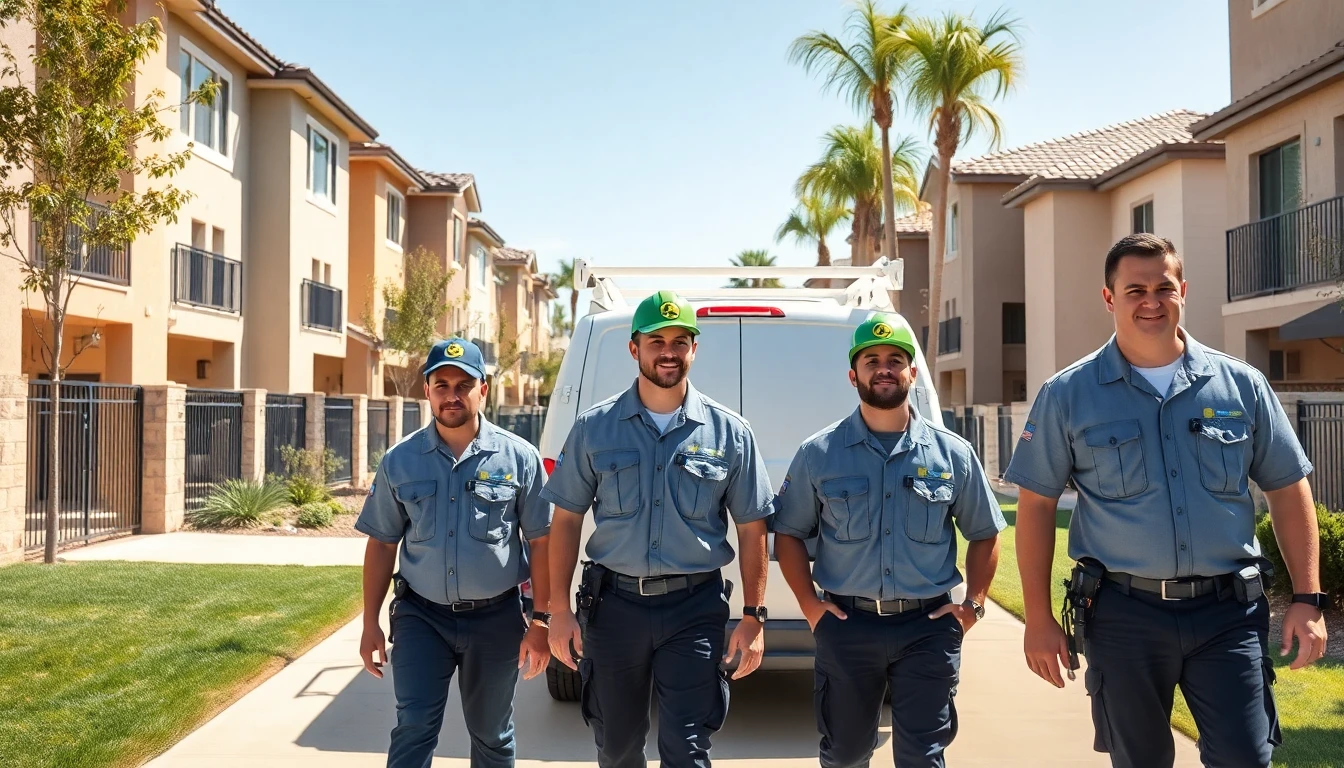
A true HOA electrical contractor runs the entire process as a managed program. At Tradesman Electric, that means:
- A 12-person crew completing 400+ panel replacements a year, with the capacity to keep a community-wide timeline on track.
- Warehouse-stocked materials in a 3,000 sq ft facility, so panels are pre-ordered and a supply delay does not stall the program.
- Project tracking in Monday.com with weekly status reports, so leadership and property managers always know where the work stands.
- Documentation excellence: pre/post photos, panel labeling, geo-tagging, permit handling, and inspection sign-offs structured for boards, insurance brokers, and legal review.
- Full-scope coordination of SCE meter spotting, city permitting, asbestos coordination, and resident communication handled in-house.
This is the gap between someone who replaces a panel and a partner who delivers a community electrical program. As a panel replacement specialist serving Orange County, Tradesman Electric is built around exactly this kind of multi-home work.
What to Look for in a Qualified Professional
Beyond basic licensing, a qualified specialist for HOA work meets several specific requirements that one-home electricians often skip. Licensed contractors must meet state competency requirements under the California Contractors State License Board, including ongoing awareness of code updates and continuing education. They must carry a valid certificate of insurance showing general liability and workers' compensation coverage.
A qualified contractor for community work also brings practical knowledge that one-home electricians often lack: the SCE permitting process, the city building department's specific preferences, the way an HOA leadership team interfaces with insurance carriers, and the documentation HOA legal counsel needs for liability records. References from past HOA clients indicate a contractor's track record better than any sales pitch. Before approving any contractor, a board should verify these credentials carefully, request an active certificate of insurance, and call at least two previous association references.
Knowledge of local code requirements is essential for compliance. Codes are complex and constantly evolving: the National Electrical Code is updated every three years, and California adopts updates through Title 24. A qualified electrician keeps current on these changes so the work passes inspection the first time.
HOA Electrical Services Beyond Panel Replacement
A specialist contractor also covers the wider scope of HOA electrical services, which a general contractor may not be equipped to handle at community scale:
- Community-wide panel upgrade and replacement programs, including unsafe panels with documented safety concerns (FPE/Stab-Lok, Zinsco). Certain Challenger breakers were also subject to actual CPSC recalls in 1988 and 2014.
- Common-area lighting installation, parking and pathway lighting, and exterior installation across the property.
- Electrical repairs and wiring upgrades across homes and shared systems.
- Surge protection, grounding, and EV charger installation as HOAs modernize.
- Security system electrical integration: gate systems, camera power, and access control where the property manages those amenities.
- Compliance corrections and Fire Marshal electrical updates for the whole property.
From common-area lighting installation and repair to electrical panel upgrades inside each home, a specialist keeps the property's electrical systems consistent and the documentation in one place. That continuity matters: when the same reliable team handles every repair, installation, and safety check, homeowners get consistent quality and leadership gets one accountable point of contact for the property's electrical systems instead of a rotating cast of electricians. Coordinating common areas and individual homes under one contractor also makes the next inspection and the next panel upgrade simpler, because one team already knows the property.
Common Electrical Concerns HOA Communities Should Watch For
Aging HOA communities often share a predictable set of electrical problems that surface during inspections. Knowing what these are helps associations plan ahead and make well-informed choices about preventative maintenance and capital planning. The most common issues we see across Orange County communities:
- Breaker trips at individual addresses. Tripping breakers usually signal overloaded circuits, an aging panel, or a wiring problem. When frequent trips appear across multiple homes, the pattern typically indicates a community-wide concern rather than isolated incidents.
- Code issues in common areas. Older common-area lighting and electrical panels often fail today's electrical codes, producing unsafe conditions and liability exposure for the association.
- Outdated panels with documented safety concerns. FPE, Zinsco, Pushmatic, and certain Challenger models carry well-documented safety hazards. FPE was investigated by the CPSC and had its UL listing revoked after fraudulent test data; Zinsco's concerns are documented through fire investigations and known failure modes such as bus-bar corrosion; and certain Challenger breakers were subject to actual CPSC recalls.
- Grounding and bonding deficiencies. Older installations frequently miss modern grounding and bonding requirements, creating shock hazards and equipment damage risk.
- Aluminum branch-circuit wiring in certain-era homes. Communities built in the late 1960s and early 1970s sometimes have aluminum wiring requiring proper terminal treatment to prevent overheating.
Preventative maintenance is far less disruptive than emergency repairs. A specialist contractor can develop safety protocols for the property, perform diagnostic checks to identify overloaded circuits and fire hazards, and provide leadership with a written report identifying current and emerging electrical conditions before they become emergencies.
Questions Leadership Teams and Property Managers Should Ask
Before hiring an HOA electrical contractor, HOA decision-makers and property managers should confirm the company can handle the full scope:
- Are you a licensed electrician and licensed electrical contractor, licensed and insured? (Tradesman holds C-10 License #1049948.)
- How many panels do you replace each year, and how large is your crew?
- Do you have a dedicated coordinator and a system to track the work?
- Can you pre-order and warehouse materials to protect the schedule?
- Do you provide documentation (photos, permits, inspection sign-offs) for our records and insurance?
- How do you handle permits, SCE coordination, and resident communication?
- What does your inspection process look like, and how do you determine the appropriate scope?
The answers separate a community specialist from a general contractor fast.
Understanding Scope of Work Before the Program Begins
Before any work begins, a community board deserves a clear written understanding of the scope of work. A specialist contractor walks the entire property, identifies hazards in every common area and individual home, and produces a written report with photographs and prioritized recommendations. That walk-through is the foundation for an honest scope baseline.
The proposal that follows should explain the project scope in plain language, list the equipment that will be installed, identify any additional scope that may arise (asbestos coordination, stucco repair, hidden conditions discovered after demolition), and provide a realistic timeline. Clear communication at this stage prevents surprises during execution. Leadership should receive a single point of contact for questions, regular written status updates, and immediate notice if anything in the project scope changes after work begins.
A phased approach is sometimes appropriate: common areas and the most hazardous individual panels can be addressed first, with remaining homes scheduled over subsequent planning cycles. A specialist contractor presents these options and helps leadership determine the right approach for the property's circumstances, then delivers clear communication at every milestone so the HOA and property managers know what to expect.
The Long-Term Value of the Right Contractor
The lowest bid rarely delivers the best long-term value for a community. Inconsistent work, missing documentation, and a program that overruns create risk, property damage exposure, property-value erosion across the development, and board headaches that dwarf any upfront savings. A reliable specialist who completes the work to a consistent standard, documents everything, and finishes on schedule protects both the HOA and the board that approved the decision.
A well-documented panel program also protects property value at every home in the community. Buyers and their agents reasonably examine a home's electrical system during diligence, and after January 1, 2026 the new SB 382 disclosure rule makes electrical-system condition an explicit part of every California single-family sale. Communities that have completed a documented panel program present a much stronger story than communities where the work is uneven or undocumented.
For a board accountable to residents and insurers, that reliability is the real value, and it's why HOA communities across Orange County choose a specialist over a general electrician.
Safety, Compliance, and Emergency Response
For an HOA, electrical work is ultimately about safety. Aging panels, overloaded circuits, and outdated wiring in common areas and individual homes create real fire and shock risk, and the HOA board carries responsibility for protecting both residents and property. A community electrical specialist treats every inspection as a safety assessment first, documenting unsafe conditions and code issues so leadership has a clear, prioritized picture rather than a sales pitch.
Reliability matters when something goes wrong, too. A general contractor working solo may not be available when a community has an electrical emergency; a specialist with a full team can respond and keep the property safe. For routine emergency repairs in common areas or individual homes, a specialist can dispatch a technician quickly, diagnose and fix the issue, document the repair for the board's records, and follow up with any related preventative maintenance the broader system requires. That responsiveness, backed by a reliable crew rather than one busy electrician, is part of what makes a specialist worth it for an HOA.
Compliance is the other half. A specialist keeps the property's electrical systems inspection-ready: proper grounding and bonding, permit records, safety protocols documented for the board's files, and Fire Marshal updates handled as part of the scope. For property managers juggling multiple buildings and for homeowners who just want their power to work safely, that combination of safety, dependability, and documentation is the practical difference a specialist contractor delivers.
The Tradesman Electric Difference
Tradesman Electric has served Orange County since 1991 as a process-driven, systems-focused electrical contracting firm, not a handyman service. We treat every community engagement as a managed program: documented, coordinated, and completed to one consistent standard across every home.
If your HOA or the properties you manage are facing panel replacement, insurance pressure, or aging electrical systems, the first step is simple and free: schedule a free panel inspection or call (949) 978-0535 to speak with a trained electrician. We'll assess the scope honestly. If a repair is enough, we'll say so; if replacement is warranted, we'll explain why, and you can make an informed decision from there.
Frequently Asked Questions
What does an HOA electrical contractor do?
An HOA electrical contractor manages community-wide electrical work (panel replacement programs, common-area lighting, emergency repairs, and compliance) as a coordinated program, handling permits, SCE coordination, documentation, and resident communication across many homes.
How is a community electrical specialist different from a general electrician?
A general electrician handles one job at a time. A community specialist brings crew capacity, program management, warehouse-stocked materials, and documentation built for replacing many panels on a shared timeline.
What should an HOA board ask before hiring an electrical contractor?
Confirm licensing (licensed and insured) with a current certificate of insurance, annual panel volume and crew size, a dedicated coordinator and tracking system, materials and warehouse capacity, and the documentation they provide for insurance and legal records.
How often do electrical panels need replacement?
Most modern panels have a useful life of 25 to 40 years, and replacing them on a planned cycle protects homeowners and the broader community. Older panels with documented safety concerns (FPE, Zinsco, Pushmatic, certain Challenger models) should be evaluated for replacement regardless of age. A qualified electrician can identify which panels in your community need urgent attention versus which can wait.
What are common electrical issues associations should watch for?
Frequent breaker trips at individual addresses, common-area lighting failures, code issues identified at inspection, outdated panels in older buildings, and grounding deficiencies. Preventative maintenance addresses these before they become emergencies.