
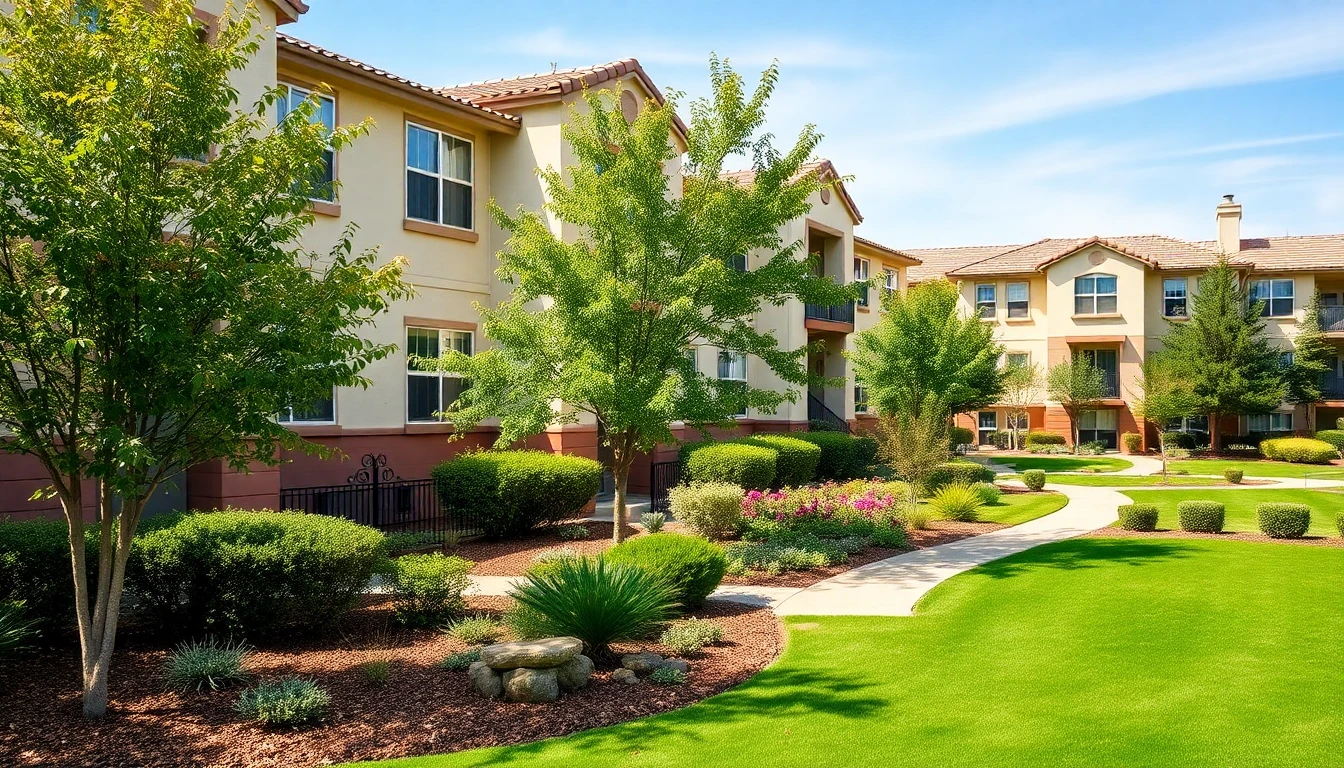
For a property manager or HOA board, few projects carry as much weight as a multi-family panel replacement. Aging electrical panels are one of the most common serious risks in older apartment and condo communities, and replacing them across multiple units is a larger undertaking than any single-family job. Done right, it protects residents, preserves property value, and keeps insurance in place. Done poorly, it disrupts tenants and leaves safety gaps.
This guide explains why multi-family properties need panel replacement, the risks of leaving outdated panels in service, how a community-wide replacement actually works across multiple units, and what to look for in a contractor. The takeaway is that multi-family panel replacement is a manageable, planned project when handled by a specialist built for it, and a serious liability when it is deferred.
Why Multi-Family Properties Need Panel Replacement
The electrical system in a multi-family building ages the same way a home’s does, but the stakes multiply with every unit. An electrical panel has a finite service life, and once it passes 25 to 40 years, or if it carries a brand with documented safety concerns, replacement becomes a safety priority rather than a maintenance option.
Several conditions drive the need. Aging electrical panels develop loose connections and faulty circuit breakers that no longer protect their circuits reliably. Many older Orange County buildings still run aluminum wiring, which expands and loosens at connections over time and adds a well-documented fire risk. And the electrical load in modern units, from air conditioning to larger appliances to EV charging, often exceeds what a decades-old electrical panel was designed to carry, forcing the system beyond its safe capacity.
Certain panels raise the priority further. Buildings with Federal Pacific or Zinsco panels carry equipment with documented safety concerns, and many insurance companies will not write or renew policies on properties that still have them. For a multi-family owner, that turns panel replacement into both a safety obligation and a condition of remaining insurable. In every case, replacing the panel restores the protection the old electrical system can no longer provide.
The Risks of Outdated Panels in Multi-Unit Buildings
The danger of an outdated electrical panel scales with occupancy. In a single home, a faulty panel threatens one household. In a multi-family building, the same failure puts many residents at risk, which is why property managers cannot treat aging panels as a low priority.
Electrical fires are the most serious risk. When circuit breakers fail to trip, when loose connections generate heat, or when an overloaded electrical load runs through undersized wiring, the conditions for fire hazards build quietly inside the panel. Aluminum wiring compounds this, because its connections loosen over time and create the exact loose connections that lead to arcing and heat. A single faulty electrical panel in a multi-unit building is a significant safety hazard for everyone in it.
Beyond fire, outdated panels create reliability and liability problems. Residents experience tripping breakers and interruptions, maintenance calls rise, and the property owner carries the liability for a known hazard left unaddressed. Insurance non-renewal adds financial exposure on top of the safety risk. The honest assessment is simple: an outdated electrical panel in a multi-family property is a risk that grows with every month it stays in service, and the responsible response is a professional inspection followed by planned replacement.
How Multi-Family Panel Replacement Works
Replacing panels across a multi-family property is a coordinated project, not a series of unrelated jobs. Understanding the structure shows why a specialist approach matters.
The work begins with mapping the building’s electrical system. Multi-family properties are wired in different configurations, some with a main panel feeding sub panels in each unit, others with individual meters and separate service to multiple units. A specialist identifies every main panel, sub panel, and meter, evaluates the electrical service and electrical load, and determines what each unit needs. This assessment defines the scope before any work is scheduled.
From there, the replacement is sequenced unit by unit or building by building. Each panel replacement follows the same disciplined process: coordinate with the utility company for any service disconnect, pull permits, disconnect power, remove the old electrical panel, install the new panel and circuit breakers, trace and label every circuit, verify grounding including the ground wire, and confirm the installation meets current code. Where the project is also an electrical service upgrade, the incoming service and capacity are increased to support modern demand.
Coordination is what separates a smooth multi-family project from a disruptive one. Scheduling outages so residents lose power for hours rather than days, communicating each step to tenants, and keeping the utility company aligned all require a contractor with the crew size and systems to manage many units at once. Our property manager’s guide to multi-unit panel replacement covers the full operational picture.
Planning a Community-Wide Panel Replacement
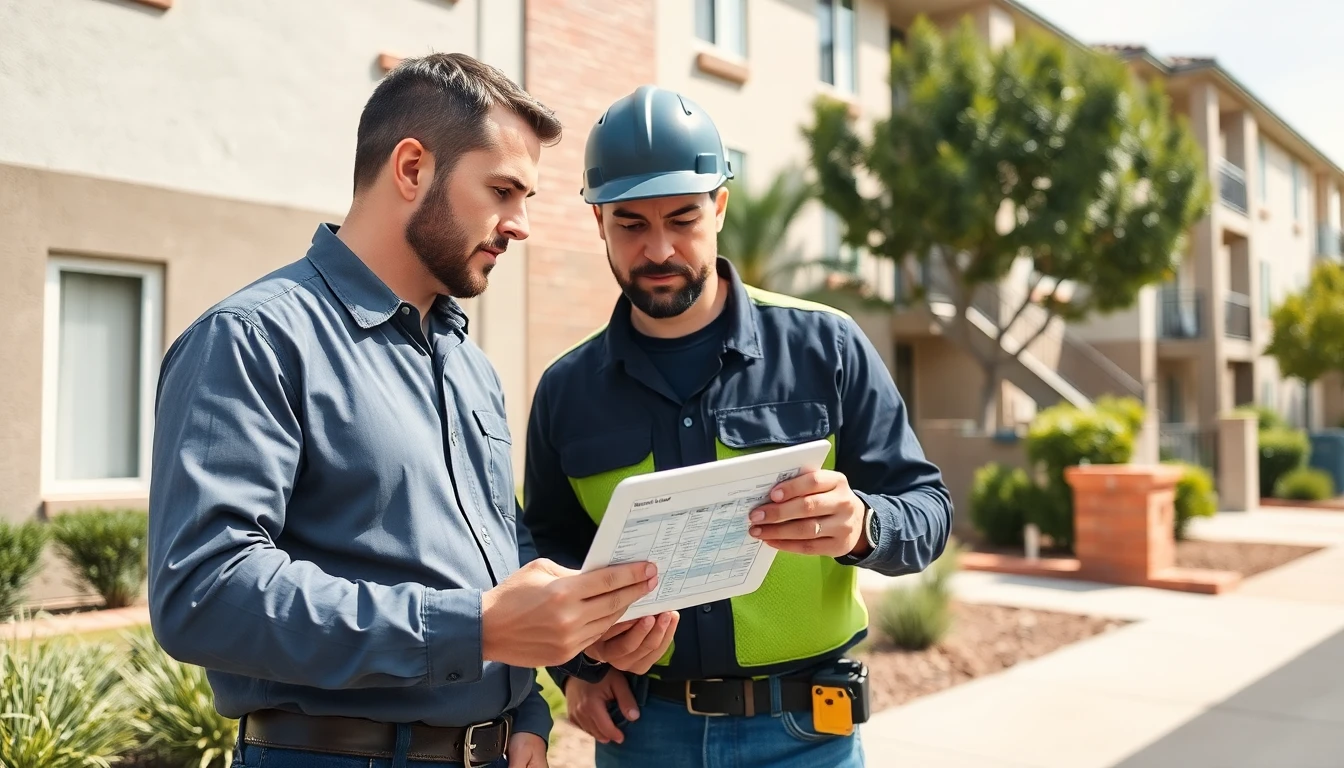
For an HOA or larger property, panel replacement becomes a community-wide program, and planning is where its success is decided. A well-planned project protects residents and the board alike; a poorly planned one generates complaints and delays.
Good planning covers several fronts at once. Scheduling sequences the work across multiple units to minimize disruption and keep each resident’s outage to a single planned window. Utility company coordination arranges meter pulls and service work in advance. Permitting and inspection are handled up front so nothing stalls the crew. And resident communication, clear notice of when power will be off and what to expect, is planned for every phase, because in a community the volume of questions is as much a project risk as the electrical work itself.
For boards, a specialist also handles the documentation that protects the community: pre and post photos, panel labeling, permit tracking, and inspection sign-offs that demonstrate the work was done correctly. This documentation supports insurance requirements and gives the board a clear record. A contractor with the crew, warehouse capacity, and project management systems to run a community-wide replacement keeps a large project on schedule where a general electrician would struggle with the coordination alone.
Electrical Service Upgrades for Multi-Family Properties
Multi-family panel replacement is often paired with an electrical service upgrade, because the same aging that makes panels unsafe also leaves buildings short on capacity. A panel upgrade addresses the distribution; a service upgrade addresses the supply.
Older multi-family buildings were sized for the electrical power demands of their era. Today’s units draw far more, and the electrical load can outstrip both the panels and the incoming electrical service. An electrical service upgrade increases the building’s capacity, and when combined with new panels, it prepares the property for modern demand, including EV charging and higher-efficiency systems. A qualified electrician evaluates whether a service upgrade is needed alongside the panel replacement and coordinates the added utility company work.
Upgrading service and panels together is usually more efficient than doing them separately, since much of the utility coordination and permitting overlaps. For a property owner, the result is an electrical system with the capacity, safety, and code compliance to serve residents reliably for decades, rather than a patchwork that will need attention again soon.
Why Choose a Multi-Family Panel Replacement Specialist
A multi-family panel replacement demands more than electrical skill. It demands the crew size, materials, utility coordination, and project management to move many units through the process safely and on schedule.
Tradesman Electric is Orange County’s breaker panel replacement specialist. With a 12-person crew, more than 400 panel replacements a year, and a 3,000 square foot warehouse that keeps panels and materials staged, the operation is built for multi-unit and community-wide projects. Every job includes full documentation, permit coordination, Southern California Edison scheduling, and code-compliant installation across every unit. For panel replacement across Orange County multi-family properties, our electrical panel replacement specialists manage projects from a single building to an entire community.
The value shows in the outcome: a safer electrical system for every resident, an insurable property, and work documented to pass inspection. For a property manager, that is what turns a daunting project into a managed one.
Frequently Asked Questions
How is multi-family panel replacement different from a single home?
It involves multiple units, often a mix of main panels and sub panels, and requires coordinating outages, utility work, and resident communication across the whole property. The process for each panel is the same, but the scheduling and project management are far more complex.
Why do multi-family buildings fail insurance inspections?
Common reasons include aging electrical panels, brands with documented safety concerns such as Federal Pacific and Zinsco, aluminum wiring, and faulty circuit breakers. Many insurers will not renew policies on properties with these conditions.
Can panels be replaced without displacing tenants?
Yes. With a specialist crew, each unit’s power is off for a planned daytime window and restored the same day, avoiding overnight displacement. Scheduling and communication are planned in advance for every unit.
Should we upgrade the electrical service too?
Often yes. If the building’s capacity no longer meets modern electrical load, an electrical service upgrade paired with new panels is more efficient than doing them separately. A qualified electrician assesses this during the inspection.
Schedule Your Free Community-Wide Inspection
Multi-family panel replacement protects residents, preserves property value, and keeps a community insurable. Aging electrical panels, aluminum wiring, and outdated electrical service are risks that grow with every unit and every month they go unaddressed, and the responsible response is a planned, professional replacement.
Tradesman Electric, Orange County’s breaker panel replacement specialist, plans and completes multi-family and community-wide panel replacement with the crew, coordination, and documentation to do it right. To understand your property’s condition and what a replacement would involve, schedule your free panel inspection or request a free community-wide inspection. Call (949) 978-0535 to speak with a trained electrician, or contact Tradesman Electric to get started.
Schedule your free community-wide inspection today and protect every resident with a safe, modern electrical system.