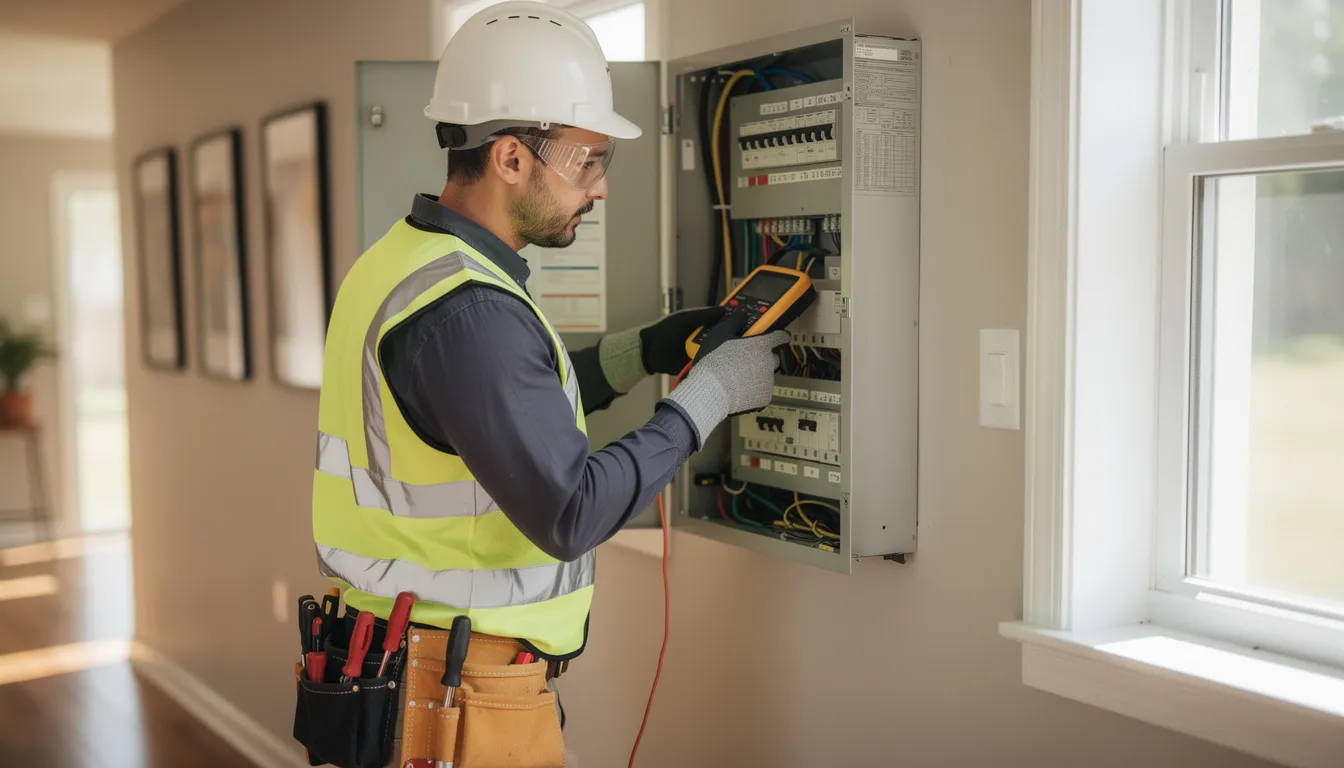
If you own a home in Orange County, understanding the differences between breaker panels and fuse boxes is essential for safety, insurance, and supporting modern electrical demands. This guide explains how each system works, the risks and benefits, and when you should consider upgrading. Whether you’re living in an older property or planning a remodel, knowing the facts about your electrical panel can help you make informed decisions that protect your home and family.
Key Takeaways
- Fuse boxes are older electrical panels that use one-time fuses and are commonly found in Orange County homes built before 1970, typically providing only 30–60 amps of capacity.
- Modern breaker panels use resettable circuit breakers, support higher amperage (100–200 amps or more), and are now the standard for electrical safety and code compliance.
- Most OC homes with fuse boxes or 60-amp panels should plan to upgrade for improved safety, insurance acceptance, and to support modern demands like EV chargers, central AC, and remodels.
- Tradesman Electric offers free breaker panel inspections and code-compliant panel upgrades for homeowners across Orange County.
- If you see fuses in your panel, experience frequent tripping, or live in a home built before 1990, call us or schedule an inspection today.
Breaker Panel vs Fuse Box: Fast Comparison
When it comes to electrical safety and upgrades, the “fuse box vs breaker panel” debate is crucial for homeowners to understand. Both fuse boxes and breaker panels serve the same critical function: protecting your home’s wiring from dangerous electrical overloads and short circuits. However, the difference between these two devices is significant when it comes to safety, convenience, and whether your electrical system can handle modern homes and their demands.
Definitions:
- A fuse box is an older type of electrical panel that uses fuses to regulate electrical circuits.
- A circuit breaker panel is the modern standard for distributing electricity through your home.
- Instead of fuses, a circuit breaker panel uses switches called circuit breakers.
Here’s the simple breakdown: a fuse box is an older-style fuse panel with one-time fuses that must be replaced after they blow. A breaker panel is the modern standard, using resettable circuit breakers that can be easily reset after they trip. A “circuit breaker fuse” provides overload protection like a fuse but can be reset, unlike traditional fuses that require replacement. Both devices work by interrupting the flow of electricity in a circuit to prevent hazards such as overloads and short circuits.
Feature | Fuse Box | Breaker Panel |
|---|---|---|
Common in homes built | Before 1965 | 1970s onward |
Typical service amperage | 30–60 amps | 100–200+ amps |
After an overload | The fuse must be replaced | The breaker can be reset |
Adding new circuits | Very limited | Expandable with open slots |
Modern safety features | Not compatible | Supports GFCI/AFCI breakers |
Most Orange County remodels, solar installations, and EV charger projects assume your home has a modern breaker panel—not a fuse box. The sections below explain exactly what each system is, how they differ, and when it makes sense to upgrade. |
- Code and Insurance Implications: Fuse boxes are often flagged as higher risks by insurance companies, potentially increasing premiums or even leading to denied coverage in 2026.
What Is a Fuse Box?
A fuse box is an older-style electrical service panel that uses screw-in or cartridge fuses to protect each electrical circuit in your home. These panels were the standard for decades before breaker panels became widely available.
Here’s how a fuse works: inside each fuse is a thin metal element designed to handle a specific amount of current flowing through it. Each fuse is made with a thin metal strip designed to break if too much electricity flows through the wire. When the current exceeds that rating—say, from an overload or short circuit—the metal melts, and the fuse blows. When a fuse blows, it interrupts the electrical circuit, cutting off power to that section of your home. This permanently opens the circuit, cutting power to prevent overheating and potential electrical fires. The tradeoff is that blown fuses cannot be reset; they must be replaced with new fuses every time.
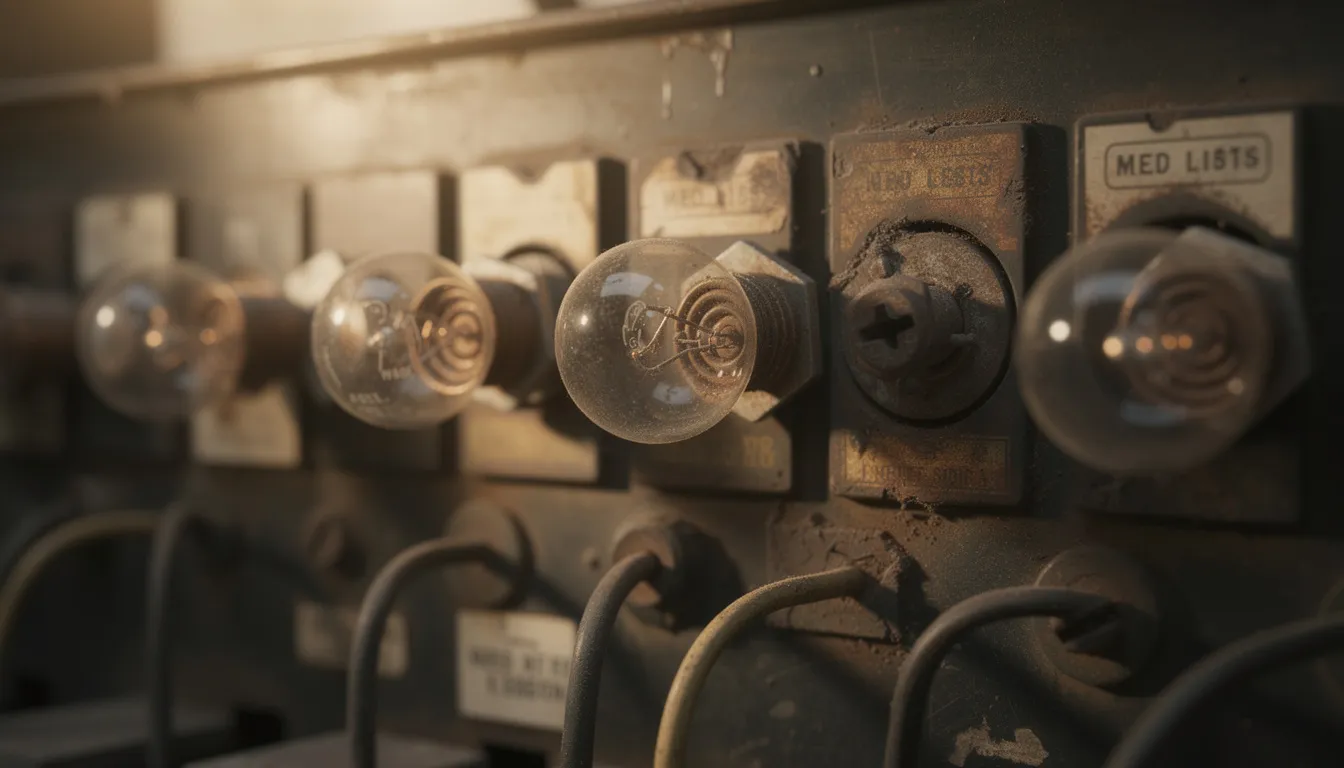
Key characteristics of fuse boxes include:
- Era and location: Fuse boxes were widely installed in Southern California homes built from the 1920s through the early 1960s, especially in smaller bungalows and early tract developments across Orange County.
- Visual cues: You’ll typically see round glass “Edison” fuses that twist in like a light bulb, pull-out fuse blocks for larger appliances, and a limited number of circuits compared to modern panels.
- Low capacity: Most fuse panels provide only 30–60 amps of total service, which was enough power for homes decades ago but falls far short for today’s electrical loads.
- Limited expandability: Adding new circuits for central AC, a hot tub, or an EV charger is often impossible without a complete panel replacement.
- Common safety concerns: We frequently find oversized or “wrong” fuses installed by past owners, the dangerous penny-in-the-fuse trick, and worn bakelite components or cloth-insulated wiring feeding the box.
- Breaker box fuse setups: Some older homes may have a hybrid “breaker box fuse” system, where traditional fuses are used alongside circuit breakers as an additional protective measure.
If your home has a fuse box, it may have served you well for years. However, the electrical demands of modern life—and the safety improvements available with newer equipment—make these systems increasingly problematic for many homeowners.
What Is a Breaker Panel?
A breaker panel (also called a breaker box, circuit breaker panel, or electrical panel) is the modern standard for distributing and protecting your home’s electrical circuits. These panels replaced fuse boxes starting in the late 1960s and are now required on all new construction and major electrical upgrades in California.
Circuit breakers work differently from fuses. Instead of melting and destroying themselves, breakers use an internal switch mechanism that automatically trips open when it detects an overload or short circuit. This process is known as a breaker trip—a safety mechanism that activates when excessive current flows through a circuit. When an electrical circuit experiences overcurrent, the switch in a circuit breaker trips and shuts off the flow of power, preventing damage and reducing fire risk. Once you’ve resolved the issue causing the trip, breakers can be reset with a simple flip of the switch—no replacement parts needed.
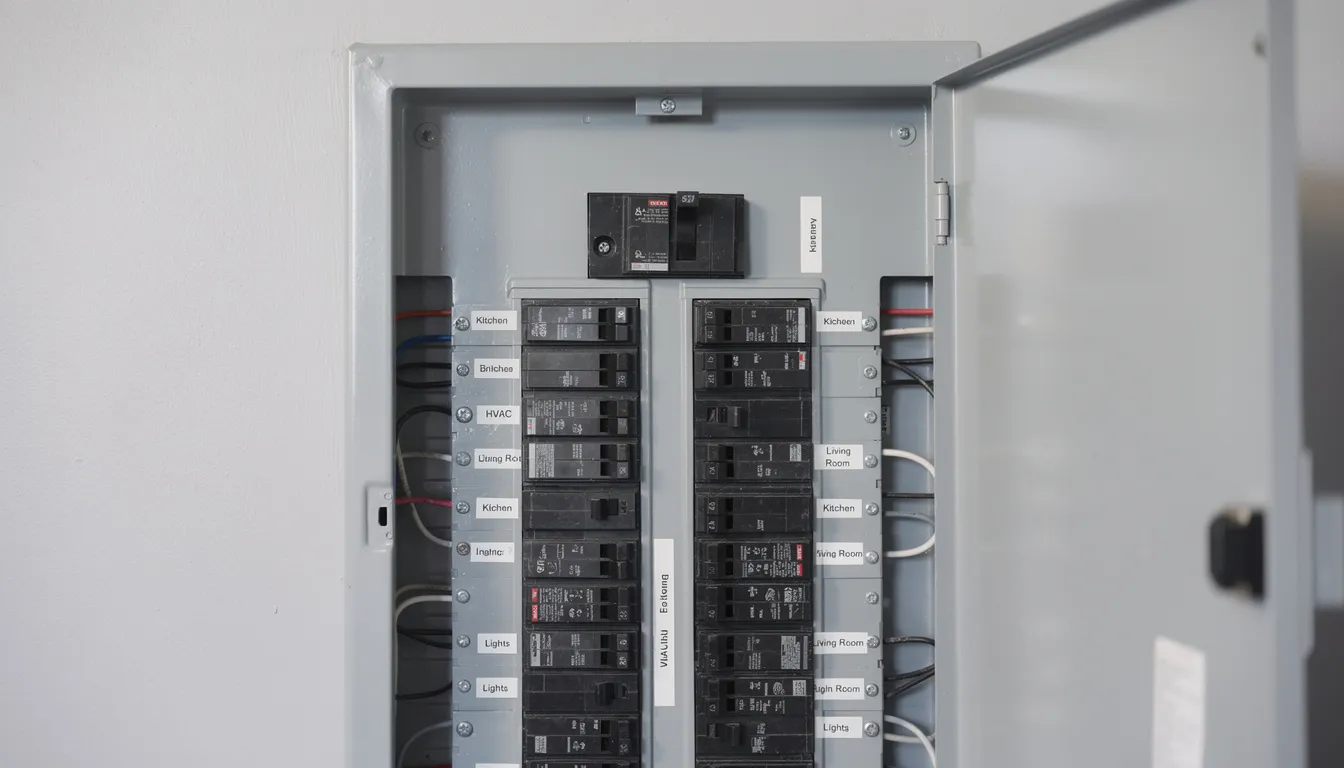
Here’s what you’ll see inside a typical breaker panel:
- Main breaker: Located at the top, this master switch controls power to the entire panel and indicates your total service capacity (commonly 100, 150, or 200 amps in Orange County homes).
- Branch circuit breakers: Rows of narrow flip switches labeled ON/OFF, each protecting an individual circuit in your home.
- Manufacturer labels: Common brands include Square D, Siemens, GE, Cutler-Hammer, and Eaton.
- Higher capacity: Modern panels support 100–200+ amps, handling everything from central AC and home offices to EV chargers and larger appliances like a water heater.
- Advanced safety integration: Breaker panels are compatible with GFCI breakers (preventing shocks in wet areas) and AFCI breakers (detecting dangerous arcing that can cause fires).
- Room to grow: Most panels include space for additional circuits, subpanels for home additions, and integration with solar systems and whole-home surge protection.
Circuit breakers offer significant advantages for today’s homeowners, including easier troubleshooting, less maintenance, and the reliability that modern electrical demands require.
Electrical Safety Considerations
When it comes to keeping your home and family safe, understanding the electrical safety implications of your fuse box or circuit breaker panel is essential. Both devices serve the vital role of protecting your home’s electrical circuits from dangerous overloads and short circuits, but the way they do so—and the level of protection they offer—can be quite different.
One of the key differences between a fuse box and a modern breaker panel is how they respond to electrical overloads. In a fuse box, a blown fuse means the metal inside has melted due to too much current, cutting off power to prevent overheating and potential electrical fires. However, older fuse boxes often struggle to keep up with the electrical loads of today’s homes, leading to frequent blown fuses and increased risk of electrical issues. In contrast, a circuit breaker panel uses breakers that trip and can be easily reset, offering a safer and more convenient way to restore power after an overload.
Electrical safety is especially important in older homes with fuse boxes, as these systems may not be working properly or may have been modified with incorrect replacement parts over the years. Frequent blown fuses, tripped breakers, or signs of overheating are all red flags that your electrical system may be overloaded or deteriorating. Upgrading to a modern circuit breaker panel not only reduces the risk of electrical fires but also ensures your home can safely handle new appliances and future electrical needs.
Circuit breakers offer several advantages over fuses, including less maintenance, the ability to be easily reset, and better protection against short circuits and electrical fires. They are designed to meet the demands of modern homes and provide peace of mind that your electrical system is up to current safety standards. If you’re experiencing electrical issues or have concerns about your electrical panel, it’s important to consult a professional electrician who can assess your system and recommend the best solution.
Regular inspections by licensed electricians are a smart way to catch potential problems before they become serious. These experts can evaluate your electrical panel, check for signs of wear or damage, and ensure all appliances and devices are installed correctly. By staying proactive and addressing electrical safety concerns early, you can help prevent power outages, reduce the risk of fire, and keep your home’s electrical system running smoothly.
In summary, prioritizing electrical safety means understanding the limitations of older fuse boxes, recognizing the benefits of circuit breaker panels, and taking action to upgrade or maintain your system as needed. Whether you’re considering a panel upgrade or simply want to ensure your home’s electrical system is working properly, investing in safety today protects your home, your loved ones, and your peace of mind for years to come.
Breaker Panel vs Fuse Box: Key Differences
Although both circuit breakers and fuses protect your wiring from dangerous overcurrent, the way they work—and what they can support in a modern Orange County home—are very different.
Functional Differences
- When a fuse blows, the fuse itself is destroyed and must be replaced. When circuit breakers trip, you simply restore power by flipping the switch back to the ON position.
- Breakers can also be manually toggled off, serving as switches that allow you or a professional electrician to safely work on specific circuits.
- Fuses rely on a metal element that melts during overcurrent. Breakers use calibrated thermal-magnetic mechanisms that respond faster—often in under 0.1 seconds for serious faults.
Safety and Misuse Risks
- Fuses can be dangerously oversized by homeowners trying to avoid frequent blown fuses. Installing larger fuses than the wiring can handle creates a serious fire risk.
- The infamous “penny in the fuse” trick bypasses protection entirely, leading to overheated wiring and increased fire risk.
- Breakers have fixed amperage ratings that are much harder to “cheat,” and they integrate seamlessly with today’s electrical codes and required safety devices.
Capacity Comparison
- Older fuse boxes typically provide 30–60 amps with only 6–12 circuits—nowhere near enough for modern electrical loads.
- Breaker panels commonly offer 100–200 amps with space for 20–40+ circuits, including dedicated circuits for kitchens, HVAC systems, EV chargers, and home offices.
Convenience and Usability
- Replacing fuses in the dark after a power outage means finding a flashlight, locating replacement fuses, and hoping you have the right amperage on hand.
- With a breaker panel, you simply flip the tripped breaker back on once you’ve addressed the cause—no replacement parts or late-night hardware store runs required.
Code and Insurance Implications
- Older fuse boxes are frequently flagged by home inspectors and insurance companies. Some insurers won’t write or renew policies on homes with fuse boxes, or they charge premiums 10–25% higher due to elevated risk profiles.
- Obsolete panels like Federal Pacific and Zinsco are on the national recall list and present serious safety concerns. If your home has one of these panels, contact Tradesman Electric immediately to discuss replacement. Most insurance companies will not write or renew homeowner’s policies on properties with these panels.
For Orange County homeowners planning to add new appliances, upgrade their HVAC, or improve home safety, a breaker panel is clearly the better long-term solution.
How to Tell if You Have a Breaker Panel or a Fuse Box
Most homeowners can identify their electrical system by simply opening the panel door and looking inside. Here’s what to look for—but remember, anything beyond a visual check should be left to licensed electricians.
Signs You Have a Fuse Box:
- Round glass fuses that screw in like a light bulb (often called Edison-base fuses)
- Pull-out fuse blocks labeled “MAIN” or “RANGE.”
- Labels showing very low amperage ratings (15A, 20A, or 30A main fuses)
- Fewer than 12 circuits total
- Bakelite or ceramic fuse holders that may show wear or discoloration
Signs You Have a Breaker Panel:
- Rows of narrow switches that flip between ON and OFF positions
- A clearly marked main breaker at 100A, 150A, or 200A
- Manufacturer labels from Square D, Siemens, GE, Cutler-Hammer, Eaton, or similar
- Labeled circuits for specific rooms or appliances
- Metal enclosure with a hinged door
Additional Clues:
- Check the age of your home. Homes built before the mid-1960s in Orange County almost certainly started with a fuse box, though some may have been upgraded since.
- Look for electrical permit stickers on the panel door that indicate when the system was last updated.
Important Safety Note: Never remove panel covers or touch any components inside. Even a quick visual inspection involves proximity to live electricity. If you’re unsure what you’re looking at, or if you notice any signs of damage, corrosion, or burnt components, call us right away.
Tradesman Electric offers free breaker panel inspections throughout Orange County. Our team can confirm exactly what type of panel you have, assess its condition and capacity, and provide honest recommendations for your home’s electrical needs.
When (and Why) You Should Upgrade from a Fuse Box to a Breaker Panel
Fuse boxes may have been perfectly adequate for the electrical loads of the 1950s—a few lights, a radio, maybe a small refrigerator. But in 2024, the average Orange County home runs central AC, multiple televisions, computers, kitchen appliances, and increasingly, EV chargers. That 60-amp fuse panel simply cannot keep up.
Common Signs It’s Time to Upgrade:
- Frequent blown fuses, especially when running multiple appliances
- Warm or discolored fuse box covers indicate overheating
- Flickering or dimming lights when larger appliances like AC units or dryers start up
- Extension cords are being used as permanent wiring because you’ve run out of outlets
- Burning smells near the panel or scorch marks on fuses or wiring
Upgrade Triggers Specific to Orange County:
- Adding central air conditioning or a heat pump system
- Installing an EV charger (typically requires a dedicated 40–50 amp circuit)
- Planning a kitchen, bathroom, or ADU remodel that needs new circuits
- Adding a hot tub, pool equipment, or a home office with significant power needs
- Preparing your home for solar panel installation
Insurance and Real Estate Considerations:
- Many insurance companies flag fuse boxes, knob-and-tube wiring, and recalled panels like Federal Pacific or Zinsco. This can complicate home sales, refinancing, or obtaining coverage.
- Home inspectors routinely recommend upgrades for older fuse boxes, which can affect negotiations when selling your home.
- Upgrading now means avoiding rushed decisions during a sale or insurance renewal.
Key Safety Benefits of Upgrading:
- Reduced risk of overheating, electrical fires, and property damage
- Proper overcurrent protection matched to your wiring
- Improved grounding for better shock protection
- Space for GFCI protection in kitchens, bathrooms, and outdoor areas
- Space for AFCI protection in bedrooms and living areas (now required by code in many situations)
Panel upgrades also improve resale value and make it easier to meet California Electrical Code requirements and local Orange County permitting standards. If your home was built before about 1975, we strongly recommend scheduling an inspection to understand the condition and capacity of your existing panel.
What Happens During a Panel Replacement or Fuse Box Upgrade?
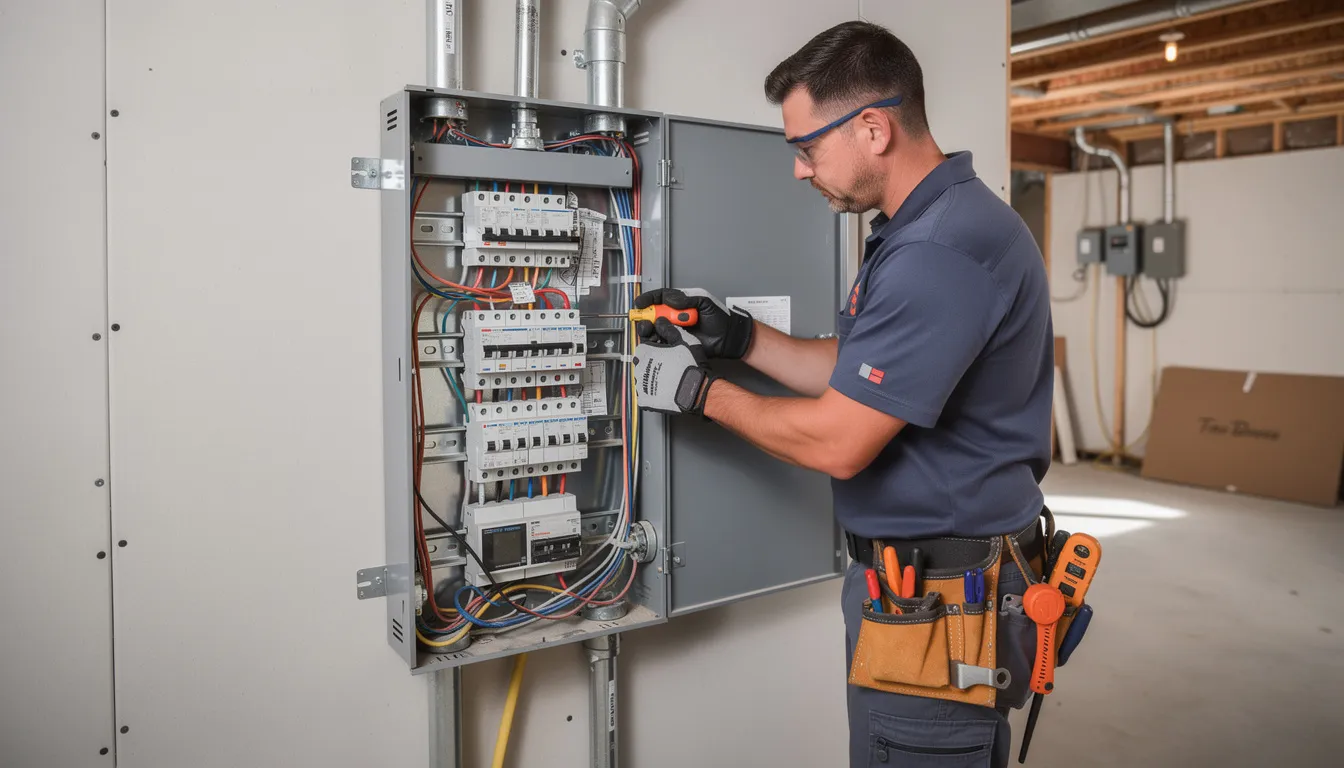
Panel upgrades are routine projects for licensed residential electricians, but they must follow strict safety protocols and local permitting requirements. Here’s what to expect when you work with Tradesman Electric.
Before the Work Begins:
- Our team schedules an on-site evaluation to assess your existing service size, wiring condition, and future electrical needs.
- We review your goals—whether that’s adding EV charger capacity, preparing for solar, or simply improving safety.
- We pull all required permits from your city or Orange County, ensuring the work meets the current California Electrical Code.
On Installation Day:
- We coordinate with your utility company to safely disconnect power to your home.
- The old fuse box or outdated breaker panel is carefully removed.
- A new breaker panel is installed with proper grounding, bonding, and circuit connections.
- All circuits are tested, labeled, and verified for proper operation.
- We often recommend adding a whole-home surge protector at this time for additional protection.
Timeline and Disruption:
- Most panel replacements in Orange County homes are completed in a single day.
- Power is typically off for several hours during the actual installation, so plan accordingly (charge devices, avoid opening the refrigerator unnecessarily).
- After our work is complete, a city or county inspector verifies the installation meets code before final sign-off.
Our Commitment:
Tradesman Electric is licensed, bonded, and insured. We handle all inspections, coordinate with utility companies, and ensure your new panel meets current California code. This is not a DIY project—California law and utility requirements make professional installation mandatory.
Why Orange County Homeowners Choose Tradesman Electric
Since 1991, Tradesman Electric has been proudly serving homeowners throughout Orange County with expert electrical services. We’ve built our reputation on quality workmanship, honest recommendations, and a commitment to electrical safety that protects your family and your home.
Our Credentials:
- Fully licensed, bonded, and insured residential electrical contractor
- Decades of experience in panel replacements, whole-home rewiring, safety inspections, and code-compliant upgrades
- Deep familiarity with older OC housing stock—including pre-1990 homes in Anaheim, Santa Ana, Orange, Fullerton, Costa Mesa, and surrounding communities
What Sets Us Apart:
- We offer free breaker panel inspections with no obligation. If your panel is safe and adequate for your needs, we’ll tell you.
- Our electricians take time to explain what we find and provide honest recommendations—never pressure to upgrade unnecessarily.
- We’re familiar with local permitting offices and inspection requirements throughout Orange County.
- We handle related upgrades, including dedicated EV charger circuits, lighting improvements, surge protection, and correcting previous non-code work.
Your Next Step:
Whether you’re concerned about an aging fuse box, experiencing electrical issues like tripped breakers or flickering lights, or planning upgrades that need to replace your home’s electrical capacity, we’re here to help. Our team will evaluate your electrical system, explain your options clearly, and provide a customized quote based on your specific situation.
Call Tradesman Electric today or schedule online to have your panel evaluated. If you suspect you still have a fuse box or an outdated breaker panel, don’t wait—your home’s safety and your peace of mind are worth a quick inspection.
FAQ: Breaker Panels vs Fuse Boxes
How much does it typically cost to replace a fuse box with a breaker panel in Orange County?
Panel replacement costs vary significantly based on your home’s size, the condition of existing wiring, your desired service amperage (100, 150, or 200 amps), and whether additional upgrades like grounding improvements are needed. Rather than guessing, we recommend contacting Tradesman Electric for an on-site evaluation and customized quote. This ensures you get accurate pricing specific to your home and electrical needs.
Will I be without power all day during a panel upgrade?
Most panel replacements are completed in a single day, with power off for several hours during the actual installation work. Our team coordinates timing to minimize disruption, and we’ll let you know what to expect before we begin. Planning ahead—charging devices, avoiding opening the refrigerator—helps make the process smoother.
Is it dangerous to keep a fuse box if it seems to be working properly?
A fuse box that appears functional may still present risks. The main concerns are capacity limitations (overloading circuits you don’t realize are maxed out), the potential for past owners to have installed oversized fuses, and degraded components that aren’t visible from outside the panel. We don’t recommend panic, but we do strongly recommend an inspection, especially if your home is more than 50 years old or you’ve added significant electrical loads over the years.
Can I replace my own electrical panel?
No. California Electrical Code, utility company requirements, and local permitting regulations all require panel replacements to be performed by licensed electricians. This work involves disconnecting utility power, handling high-amperage connections, and ensuring proper grounding and bonding—all tasks that require professional training and certification. Attempting this yourself creates serious safety risks and will likely result in code violations.
If I plan to add solar or an EV charger later, what size panel should I get now?
This is exactly the kind of question we discuss during free inspections. In most cases, we recommend at least 200-amp service for homes planning future electrical upgrades like solar systems, EV chargers, or accessory dwelling units. Installing adequate capacity now saves the cost of upgrading again later. Our team will assess your current and anticipated future electrical needs and recommend the right solution for your situation.