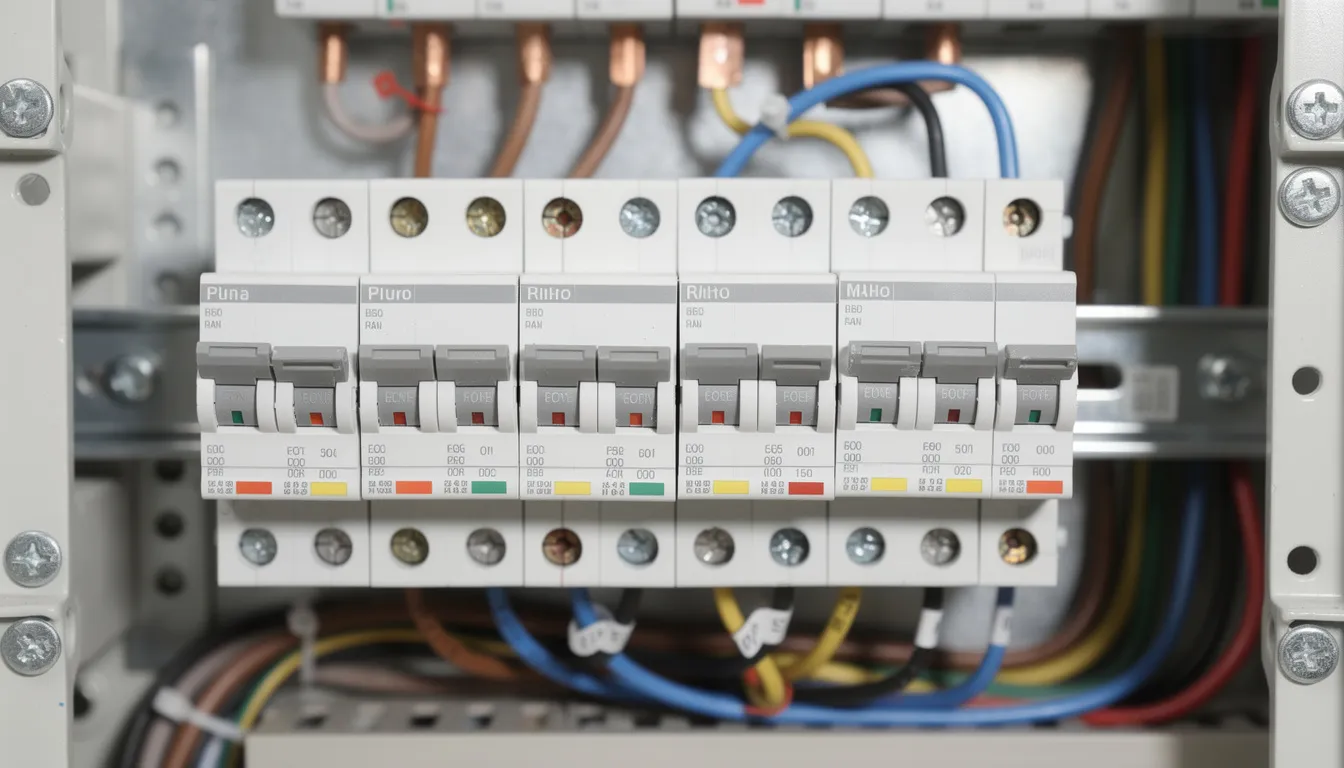
Breaker boxes and breakers are essential for every Orange County home. This guide is designed for homeowners who want to understand how their electrical panel works, recognize warning signs, and know when to call a professional. Whether you’re planning a remodel, troubleshooting issues, or just want peace of mind, this resource will help you make informed decisions about your home’s electrical safety. This guide explains everything Orange County homeowners need to know about their breaker box and breakers—how they work, what types exist, and when to call a professional.
Key Takeaways
- Your breaker box (also called an electrical panel or circuit breaker box) is the central hub that receives power from the utility and distributes it safely throughout your home—understanding its basic function helps you recognize when something is wrong.
- Circuit breakers are safety devices that trip when they detect overloads, short circuits, or faults. Repeated tripping is a warning sign that needs professional attention, not something to ignore or work around.
- Many Orange County homes built before the 1990s have outdated panels that cannot safely accommodate modern electricity usage from EV chargers, central AC, and smart home technology.
- Federal Pacific and Zinsco panels are on the national recall list and present serious fire risks—most insurance companies will not write or renew policies on properties with these panels. If you have one, contact Tradesman Electric immediately.
- Tradesman Electric (founded 1991, licensed, bonded, insured) offers free breaker panel inspections throughout Orange County. If you notice flickering lights, warm panels, or frequent breaker trips, call us to schedule an evaluation.
Understanding Your Breaker Box (Electrical Panel) in Plain Language
Your breaker box—also called an electrical panel, service panel, or load center—is the central hub where your home’s electricity begins its journey. Think of it as the main distribution point that keeps everything running, from your kitchen appliances to your bedroom lights. In this guide, we’ll explore how breaker boxes work, why upgrades may be needed, and what homeowners should know to keep their electrical systems safe and efficient.
A circuit breaker panel (also called a breaker box) is the hub of a home’s electrical system. Breaker boxes protect electrical circuits from overloads by breaking the flow of electricity when there’s too much power. Most homes have breaker boxes outfitted for up to 200 amps to accommodate modern electrical needs.
The panel receives power from Southern California Edison (or your local utility) through power lines connected to your home, linking your electrical system directly to the external power grid. From there, it divides that electricity into individual circuits that feed specific rooms, outlets, and major appliances. This is how electricity flows safely and efficiently throughout your house.
In many older homes, you may be familiar with a fuse box or manual fuses instead of a modern breaker box. Fuse boxes were common before breaker boxes became standard, and many homeowners recognize the process of replacing blown fuses. However, a key benefit of breaker boxes is the improved safety, efficiency, and convenience they offer compared to fuse boxes. If your home is still using a fuse box, it is likely time to upgrade to a breaker box for better safety and management.
But distribution is only half the job. Your circuit breaker box also serves as your home’s first line of defense against electrical fires and damage. When a circuit draws more power than it can safely handle, the breaker trips and cuts the connection—stopping dangerous overloads before they cause harm.
Here’s something we see constantly in Orange County: homes built between the 1960s and 1980s are now running far more devices than their original panels were ever designed to accommodate. Back then, nobody imagined EV chargers, hot tubs, multiple AC units, or the dozens of devices we plug in daily. Homes built before the 1960s may still use breaker boxes rated for only 60 amps, which may not meet modern electrical demands. That’s why so many older homes need panel upgrades to meet today’s demands. When shopping for a new breaker box, consider its amperage rating—typically 100-amp or 200-amp for residential use.
If you’ve never looked at your breaker box, you’ll typically find a gray or brown metal box mounted on a wall, usually with a hinged door. Common locations include basements, garages, or utility rooms. Open that door, and you’ll see rows of switches inside—those are your breakers. This is where you can safely turn circuits on and off without touching any wiring.

What Is Inside a Breaker Box? (Basic Anatomy)
Let’s take a quick tour of what’s inside your panel. This section will help you understand what you’re looking at—and remind you what to leave to a professional electrician.
After the main breaker, the remaining breakers are individual switches that control specific circuits throughout your home.
The Main Breaker
At the top of most panels, you’ll find the main breaker. This is your master switch that controls power to the entire house. Flipping this single breaker to the “off” position will shut off electricity to every circuit in your home. It’s your go-to move during emergencies or when you need a complete power shutdown.
Main breakers come with different amperage ratings. In Southern California homes, we commonly see:
- 100A panels (older homes, often undersized for modern needs)
- 125A panels (mid-range capacity)
- 200A panels (standard for newer construction and upgraded homes)
Branch Circuit Breakers
Below the main breaker, you’ll see rows of smaller switches. These are your individual branch breakers, and each one protects a specific circuit in your home. Common sizes include:
- 15A and 20A breakers for lighting circuits and standard outlets
- 30A breakers for dryers and some HVAC equipment
- 40A and 50A breakers for electric ranges, EV chargers, and central AC units
Bus Bars
Behind the breakers (inside the panel where you shouldn’t be reaching), you’ll find the bus bars. In simple terms:
- The hot bus bar carries incoming power and feeds each breaker
- The neutral bar (ground bus bar area) provides the return path for current
- The ground bar offers a safe path to earth during electrical faults
These components work together to ensure power moves safely through your electrical system.
Panel Labeling
Open your panel door and look at the inside surface. You should see a label or directory indicating which breaker controls which area of your home. Unfortunately, many older homes have mislabeled or completely unlabeled panels. When Tradesman Electric performs upgrades, we always relabel and organize panels so you can quickly find what you need.
Important safety reminder: You can safely look at your panel, identify breakers, and reset tripped breakers. However, you should never remove the dead-front cover or touch internal wiring. That job is for licensed electricians only.
Types of Breakers and What They Protect
Not all breakers are created equal. Different types of breakers have unique features, such as amperage, voltage, and protective capabilities, which determine how they safeguard your home’s electrical system. Circuit breakers detect electrical faults and respond by automatically shutting off power if a circuit becomes overloaded, helping to prevent electrical fires and damage. Some breakers, like arc-fault circuit-interrupter (AFCI) breakers, help prevent house fires by detecting dangerous arcs in the circuitry. Understanding the different types helps you figure out what’s protecting your home—and where you might have gaps in coverage, especially in older Orange County homes.
Single-Pole Breakers
These are the most common breakers you’ll see. Single-pole breakers operate at 120V and typically come in 15A or 20A ratings. They protect:
- Lighting circuits throughout your home
- Standard outlets in bedrooms, living rooms, and hallways
- Small appliance circuits
Each single-pole breaker takes up one slot in your panel and controls one circuit.
Double-Pole Breakers
Double-pole breakers handle 240V and are used for your home’s larger loads. They take up two slots and feature connected switches that trip together. You’ll find these protecting:
- Central air conditioning systems
- Electric ranges and ovens
- Clothes dryers
- EV chargers
- Hot tubs and spa equipment
- Pool pumps
GFCI Breakers
Ground Fault Circuit Interrupter (GFCI) breakers detect when electricity takes an unintended path—like through water or a person—and cut power in milliseconds. California electrical codes require GFCI protection in:
- Kitchens and bathrooms
- Garages
- Outdoor circuits
- Laundry areas
- Anywhere near water
GFCI protection can come from either GFCI outlets or GFCI breakers installed in the panel. Both serve the same protective function.
AFCI Breakers
Arc Fault Circuit Interrupter (AFCI) breakers detect dangerous electrical arcs from damaged, deteriorated, or improperly installed wiring. These arc faults are a leading cause of electrical fires.
AFCI protection is especially important in older Orange County homes with original 1960s–1980s wiring. Over time, insulation breaks down, connections loosen, and arc faults become more likely.
Many pre-1990 panels still lack AFCI protection entirely and may not have adequate GFCI coverage to meet current California electrical codes. Tradesman Electric can evaluate which circuits need upgraded protection and often install GFCI or AFCI breakers without replacing all the wiring in your home.
Where to Find Your Breaker Box and How to Safely Operate It
Knowing where your panel is—and how to reset a tripped breaker—is basic home safety that every homeowner should understand.
Common Locations in Orange County Homes
The most common location for a breaker box varies by home style and age. Look for yours in:
- The garage (most common in OC single-family homes)
- An exterior wall near the electric meter
- A laundry room or utility closet
- The basement (in older properties with below-grade space)
Some homes also have subpanels in addition to the main service panel. Subpanels are typically installed to serve:
- Home additions
- Detached garages or guest houses
- Pool and spa equipment areas
- Workshops or studios
If you have a subpanel, it connects back to your main panel and has its own set of breakers.
How to Safely Reset a Tripped Breaker
When a breaker trips, it moves to a middle position between “on” and “off.” Before resetting, turn off or unplug the last thing you plugged in or turned on—this “last thing” could be the cause of the overload or trip.
Here’s how to reset it safely:
- Stand on dry ground (never in standing water)
- Open the panel door
- Find the breaker that’s in the middle or “off” position
- Flip it fully to the “off” position first
- Then flip it back to “on.”
The circuit should restore power. If the breaker trips again immediately, or you notice buzzing, smoke, a burning smell, or the panel feels hot—stop. Do not keep resetting it. Call a licensed electrician right away.
Critical Safety Rules
- Never work on live circuits
- Never remove the dead-front cover (the metal panel behind the breakers)
- Never tape a breaker in the “on” position
- Never ignore repeated tripping
Your breakers are designed to protect you. When they trip repeatedly, they’re telling you something is wrong. Let a professional figure out what.
Signs Your Breaker Box or Breakers Need Professional Attention
How do you know when your electrical system needs help? Here’s a quick checklist of warning signs that we see regularly in Orange County homes.
Repeated Breaker Tripping
If the same breaker keeps tripping during normal use—like running your microwave and toaster at the same time—you likely have an overloaded or faulty circuit. This isn’t something to manage around; it needs professional evaluation.
Visible Panel Damage
Take a look at your breaker box. Warning signs include:
- Rust on the panel enclosure
- Scorch marks or discoloration around breakers
- Melted plastic around breaker switches
- Loose or missing cover screws
- A panel door that won’t close properly
Any of these indicates serious problems that need immediate attention.
Sensory Warning Signs
Trust your senses. Call an electrician if you notice:
- Burning or “hot” smells near the panel
- Crackling or buzzing sounds
- The panel feels unusually warm to the touch
- Warm or hot outlets anywhere in your home
Recalled Panel Brands
Certain electrical panels are known safety hazards. Federal Pacific, Zinsco, and Pushmatic panels are on the national recall list due to breakers that fail to trip during overloads and faults. These panels are still found in many older Orange County houses.
Critical warning: If you have a Federal Pacific or Zinsco panel, contact Tradesman Electric immediately to discuss replacement. Most insurance companies will not write or renew homeowner’s policies on properties with these panels installed.
Whole-Home Symptoms
Look for patterns throughout your house:
- Frequent flickering lights
- Lights dimming when large appliances start
- Too few outlets leading to power strips in every room
- Difficulty running multiple appliances without tripping breakers
These symptoms often indicate that your panel lacks the capacity for your home’s actual electricity usage.
Tradesman Electric offers free breaker box inspections in Orange County. We evaluate these issues, document our findings, and recommend code-compliant solutions tailored to your situation.
When to Repair, Upgrade, or Replace Your Breaker Box
Some electrical problems require minor repairs. Others call for a complete panel replacement. Here’s how to figure out which path makes sense for your home.
When Repairs May Be Sufficient
Not every panel problem means replacement. Common repairs include:
- Replacing an individual faulty breaker
- Tightening loose connections inside the panel
- Correcting mislabeled circuits
- Adding GFCI or AFCI protection to specific circuits
- Installing a surge suppressor to protect against power surges
These targeted fixes can resolve many issues without the expense of a full upgrade.
When to Upgrade Panel Capacity
You may need to upgrade from 100A to 200A service if you’re planning to:
- Install central air conditioning
- Add a Level 2 EV charger
- Install a hot tub or pool equipment
- Go solar with battery backup
- Remodel your kitchen or add a new bathroom
- Add a home generator for backup power
Many homes built before 1985 in Orange County were originally set up for 60A or 100A service. These panels simply cannot safely support today’s combined loads, making it important for homeowners to consider the electrical panel replacement cost guide for 2024-2025 when planning an upgrade.
When Full Replacement Is Necessary
Complete panel replacement is typically recommended when:
- Your panel is a recalled brand (Federal Pacific, Zinsco)
- There’s visible damage, corrosion, or heat damage
- There’s no remaining space for new circuits
- The panel doesn’t meet current California Electrical Code requirements
- Your insurance company requires it
Tradesman Electric handles all aspects of panel upgrades: permits, utility coordination, and inspections. We bring everything up to current code standards so you have peace of mind.
Pro tip: Schedule an inspection before listing your home for sale, starting a major remodel, or adding high-draw equipment. Addressing panel issues proactively prevents delays and surprises.
How Tradesman Electric Inspects and Upgrades Breaker Boxes
When you contact Tradesman Electric for breaker box service in Orange County, here’s what you can expect from start to finish.
The Initial Inspection
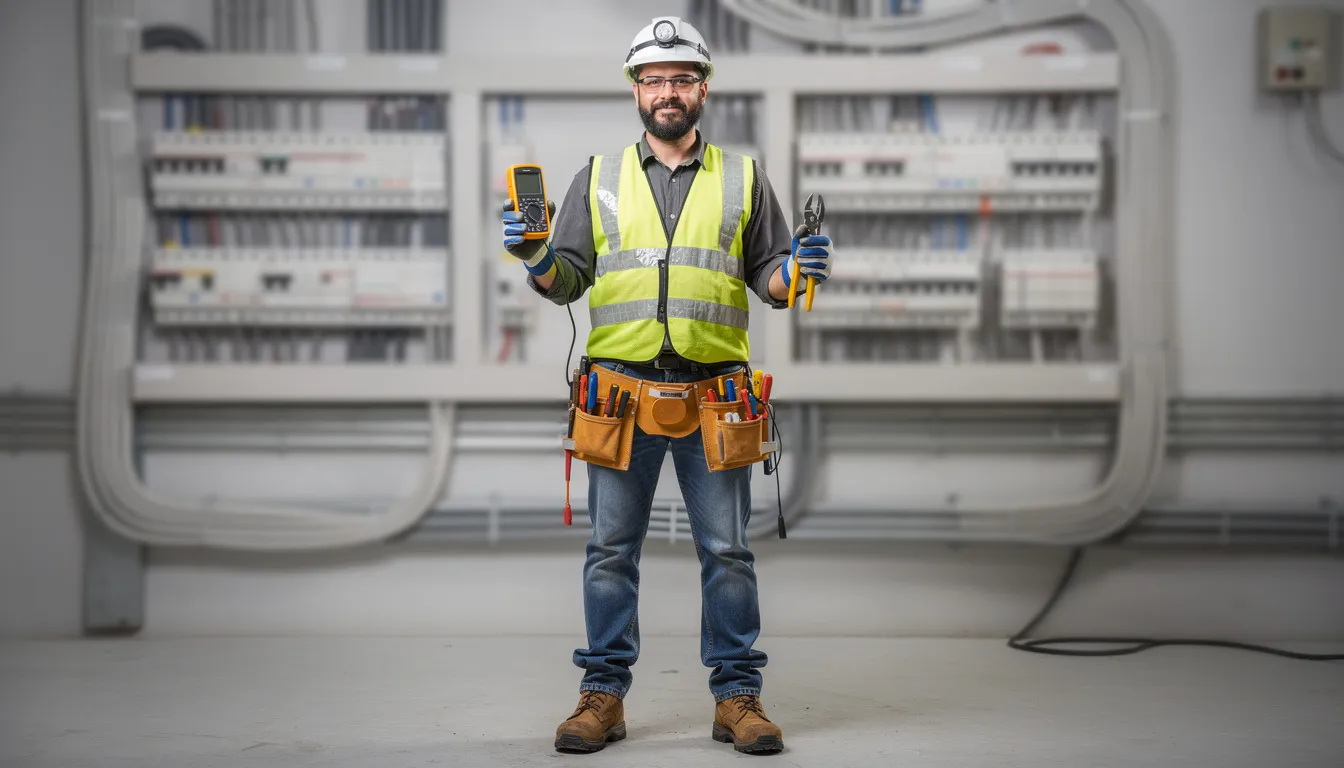
Our licensed electrician arrives and begins with a thorough visual inspection of your panel. We check:
- Breaker sizes versus wire sizes (they must match)
- Signs of heat damage or overheating
- Corrosion or moisture intrusion
- Double-tapped breakers (two wires where only one should be)
- Overall panel condition and remaining capacity
We’ll also ask about symptoms you’ve experienced—tripping breakers, flickering lights, warm outlets—to understand how your electrical system is performing in daily use.
Evaluating Your Needs
Our technician evaluates whether your existing amperage rating and number of circuits match your home’s actual usage. We consider both current needs and future plans. If you’re adding an EV charger next year, we want to ensure your panel can accommodate it.
The Upgrade Quote
If a panel upgrade is recommended, Tradesman Electric provides a written, itemized quote covering:
- The new panel (such as a 200A load center)
- Labor and installation
- Required permits and fees
- Any needed wiring corrections
We never include hidden fees or surprise charges. The quote reflects the complete job.
Upgrade Day
On the day of your upgrade:
Power is safely shut off, and utility coordination is complete
- The old panel is carefully removed
- Your new code-compliant panel and breakers are installed
- All circuits are neatly re-terminated and properly labeled
- The entire system is tested for proper operation
Our Credentials
Tradesman Electric is licensed, bonded, and insured. We’ve served Orange County since 1991 and understand local requirements inside and out. We coordinate all required inspections with the local authority having jurisdiction, so you never have to chase down permits or schedule inspectors yourself.
Ready to have your breaker panel inspected? Call Tradesman Electric or visit our website to schedule your free inspection. We’ll review your system and provide honest recommendations—no pressure, just professional guidance.
Frequently Asked Questions About Breaker Boxes and Breakers
Is it safe to reset my own breakers?
Yes, simple resets are safe for homeowners. If a breaker trips once and resets normally without any burning smells, unusual sounds, or heat, you’ve handled it appropriately. However, if a breaker trips repeatedly, won’t stay in the “on” position, or you notice any warning signs, stop and call a licensed electrician. Continued resetting of a faulty breaker can cause damage or fire.
How long does a breaker box last?
Breaker boxes can physically last 40 years or more. However, physical longevity doesn’t equal safe, adequate performance. Code requirements change, corrosion develops, and power needs increase dramatically over time. We typically recommend homeowners seriously evaluate replacement after 25-40 years, or sooner if they’re experiencing issues or have a recalled panel brand.
Can I add more breakers if there’s no space left?
Sometimes. Tandem breakers (also called “cheater” or “slim” breakers) allow two circuits in one slot, but they’re not universally allowed. Your panel must be specifically listed for tandem breakers in certain positions. Installing them incorrectly violates code and can void your panel’s UL listing. Have Tradesman Electric inspect your panel before attempting to add circuits.
Will a panel upgrade lower my electric bill?
A panel upgrade won’t directly reduce your electricity usage—you’ll still consume the same power for the same activities. However, a properly sized panel improves reliability, eliminates nuisance tripping, and enables you to install more efficient systems like heat pumps or EV chargers. Think of it as an investment in safety and capability, not a direct utility savings measure.
Do I need to replace all my wiring when I replace the panel?
Not necessarily. Many panel replacement projects involve only the panel itself, leaving existing house wiring in place. However, during our inspection, if we find aluminum wiring, deteriorated insulation, undersized conductors, or other safety concerns, we’ll recommend addressing those issues as well. Every home is different, and Tradesman Electric provides recommendations based on what we actually find in your specific situation.
Your breaker box is the heart of your home’s electrical system. Whether you’re dealing with repeated tripping, planning a remodel, or simply want peace of mind about your panel’s condition, Tradesman Electric is here to help. We’ve been serving Orange County homeowners since 1991 with honest assessments, quality workmanship, and code-compliant solutions.
Call Tradesman Electric today to schedule your free breaker panel inspection. Our licensed electricians will evaluate your system, answer your questions, and provide clear recommendations—no pressure, just the professional service you deserve.