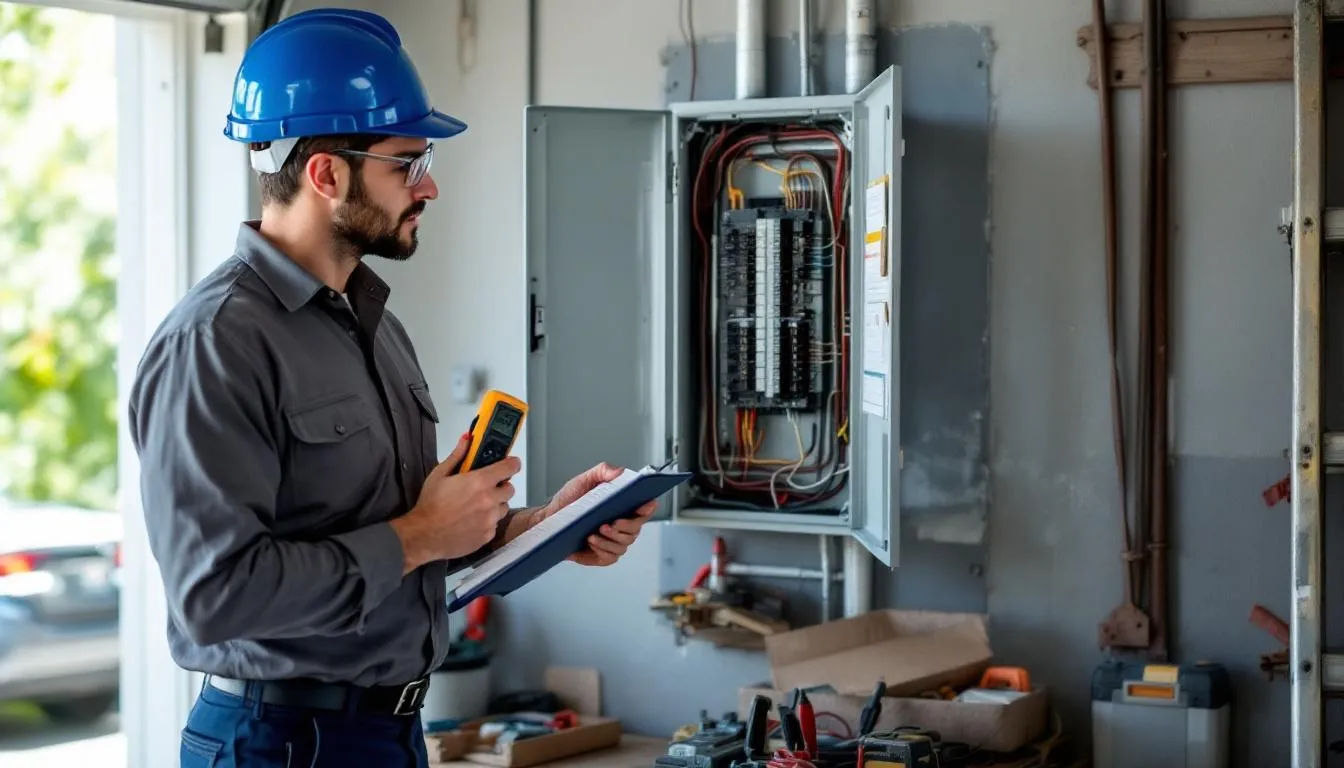
Protecting Your Home from Fire and Safety Hazards
Outdated electrical panels pose serious fire risks, electrocution dangers, and system failures that can threaten your home and family safety. Many homeowners unknowingly live with electrical systems that no longer meet current safety standards, creating significant safety risks that demand immediate attention. As electrical demands in modern homes continue to increase, these outdated systems become increasingly dangerous and unreliable for your home’s electrical system.
Understanding these risks isn’t just about preventing property damage—it’s about protecting lives and ensuring your home’s electrical system can safely handle modern electrical loads.
What This Guide Covers
This comprehensive guide examines the specific safety risks posed by outdated electrical panels, including fire hazards and electrocution dangers. We’ll help you identify dangerous panel types commonly found in older homes, understand insurance implications, and recognize when immediate action is required, including when to replace or consider replacing your panel. This guide does NOT cover basic electrical repair or DIY panel work—these tasks require professional expertise from licensed electricians.
Who This Is For
This guide is designed for homeowners with properties built before 1990 who may have outdated electrical systems. Many electrical panels were installed decades ago and may no longer be safe. Homes built before this time are especially at risk due to outdated panels that may not meet modern standards. Whether you’re experiencing frequent breaker trips and flickering lights, facing insurance coverage challenges due to electrical panel concerns, or evaluating an older home for purchase, you’ll find essential safety information here.
Why This Matters
Outdated panels cause thousands of house fires annually due to failing safety mechanisms that can no longer protect your home. Failing to address panel issues can lead to costly repairs and an increased risk of fire hazard. Insurance providers increasingly refuse coverage for homes with certain brands of electrical panels, leaving homeowners financially exposed. Modern electrical demands often exceed the capacity of older panels, leading to dangerous overload conditions. Many outdated panels do not meet modern standards, making replacing or upgrading your panel essential to keep your home safe.
What You’ll Learn:
- Critical fire and safety risks posed by outdated electrical panels
- How to identify dangerous panel types in your home
- Insurance and financial consequences of keeping unsafe panels
- When to call Tradesman Electric for a professional assessment and replacement
Understanding Electrical Panel Safety and Modern Electrical Demands
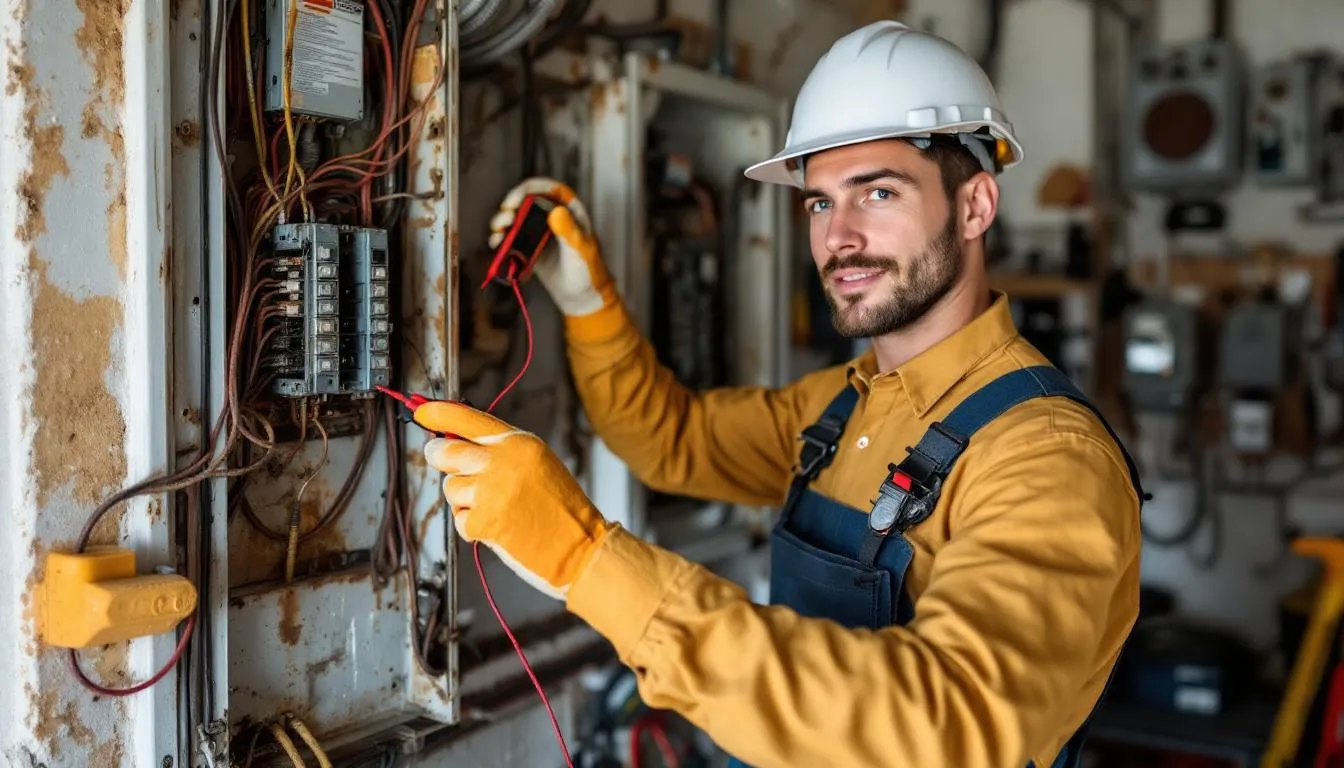
Your home’s electrical panel (also known as a breaker box) functions as your home’s electrical distribution center, receiving power from the utility company and distributing electricity throughout various circuits in your house. Circuit breakers within the panel serve as critical safety devices, designed to detect electrical overloads and automatically shut off power to prevent fires and electrocution. The main breaker in the panel allows you to shut off power to the entire home in case of an emergency. The home’s electrical panel is essential for the safe and efficient operation of your home’s electrical system.
When these safety mechanisms work properly, they protect your home from electrical fires by stopping dangerous current flow before wires can overheat. However, many older systems use fuses instead of breakers; fuses can be less reliable, are prone to improper modifications, and may not handle modern electrical demands. Many old electrical panels contain circuit breakers that no longer function reliably, or are simply outdated panels, creating serious problems that put your family and property at risk. Overloaded circuits are a common issue with outdated panels, increasing the risk of overheating and fire. If you suspect any issues with your panel, it is important to have a licensed electrician inspect your electrical panel to ensure the safety of your home’s electrical system.
How Electrical Panels Prevent Fires
Circuit breakers function by detecting when electrical current exceeds safe levels and automatically cutting power to the affected circuit. When appliances or devices draw more electricity than the wiring can safely handle, a properly functioning breaker trips immediately, preventing the wires from overheating and potentially igniting surrounding materials. Circuit breakers are also designed to protect against short circuits, which can cause rapid overheating and fire.
Unfortunately, outdated electrical panels often contain breakers that fail to trip when they should, allowing dangerous electrical overloads and short circuits to continue. In older systems, blown fuses can be a warning sign of underlying issues. This failure can lead to wire overheating, sparking, and ignition of surrounding materials within your walls—often without any visible warning signs until fire breaks out.
Modern Electrical Load Requirements
Today’s homes require significantly more electricity than houses built decades ago. Many homes built before the 1980s have electrical panels that were installed with much lower capacity, often not designed to support today’s electrical needs. Modern electrical loads include HVAC systems, electric vehicle chargers, smart home devices, multiple large appliances, and numerous electronics that earlier generations never imagined.
Many older panels were designed for 100-amp service or less, but modern homes typically require 150-200 amp capacity to safely handle contemporary electrical usage. Building on the previous concept of breaker failure, when outdated systems become overloaded with modern electrical demands, the combination of inadequate capacity and failing safety mechanisms multiplies fire risk exponentially. These older panels often need to be replaced, and replacing them is necessary to meet modern demands and ensure safety.
Transition: Understanding how panels should work helps identify when your system poses immediate dangers requiring professional attention.
Critical Risk Categories of Outdated Electrical Panels
When electrical panel safety mechanisms fail, the consequences fall into several dangerous categories that every homeowner must understand, including the risk of fire hazards.
Ignoring these risks can also result in costly repairs to your electrical system, especially if issues are left unaddressed.
The most common sources of risk include an old panel that may not meet current safety standards, overloaded circuits, and faulty wiring. Certain brands, such as Zinsco panels, are known for their historical safety flaws and should be professionally inspected and replaced if found.
Fire Hazards from Failed Circuit Breakers
Electrical fires represent the most serious risk from outdated electrical panels, with faulty electrical systems causing thousands of house fires annually. Overloaded circuits are a common cause of electrical fires in homes with outdated panels, as they force the system to handle more current than it was designed for. When circuit breakers fail to trip during overload conditions, they allow dangerous current levels to flow through wiring that cannot safely handle the load.
This creates a cascade of dangerous conditions: wires overheat within your walls, insulation begins breaking down, and eventually surrounding materials ignite. Unlike other fire sources, electrical fires often smolder undetected inside walls before breaking into living spaces, giving families little time to escape safely.
Federal Pacific Electric panels, for example, have documented failure rates exceeding 60%, meaning these breakers frequently fail to protect your home when you need them most.
Electrocution and Shock Risks
Outdated electrical panels create serious electrocution dangers, particularly panels that continue supplying power even when breakers appear to be “off.” This poses immediate risks to homeowners performing basic maintenance and creates life-threatening conditions for anyone working on the electrical system.
Unlike fire risks which develop over time, electrocution can happen instantly when someone contacts energized components they believe are safely disconnected. Many older panels lack proper grounding systems required by current safety standards, increasing shock risks throughout your home’s electrical system.
Insurance and Financial Liability
Insurance providers increasingly refuse coverage for homes with known dangerous panel types, recognizing the elevated fire risk these systems present. Homeowners who cannot obtain insurance face enormous financial exposure, as mortgage lenders typically require continuous coverage.
Even when coverage remains available, many homeowners face higher premiums due to electrical panel risks. More seriously, fire damage may not be covered if insurance companies determine that known electrical hazards contributed to the loss, leaving families to bear the full cost of rebuilding.
Key Risk Indicators:
- Frequent circuit breaker trips signaling dangerous overloads
- Burning smells or scorch marks around your electrical panel
- Flickering lights and inconsistent power supply throughout your home
- Panel age exceeding 25-30 years with original equipment
Transition: Recognizing these warning signs helps determine whether your specific panel type requires immediate replacement.
Identifying High-Risk Panel Types in Your Home
Certain electrical panel manufacturers produced equipment with documented safety defects that create unacceptable risks regardless of apparent condition. Understanding which panel types pose the greatest dangers helps prioritize replacement urgency for your home’s electrical panel (breaker box) and ensure the safety of your home’s electrical system.
When identifying high-risk or outdated panel types, consider when the panel was originally installed, as many old electrical panels and outdated panels may not meet current safety standards. In your step-by-step identification, always check for the presence of a main breaker—panels lacking a main breaker can be especially hazardous in emergencies.
Common high-risk categories include fuse boxes, which use fuses instead of modern circuit breakers. Fuses have significant limitations, such as being prone to improper modifications and unable to handle today’s electrical demands, making them unsafe for modern homes. Zinsco panels are another specific high-risk type, known for breaker failures and corrosion, and should be replaced as soon as possible. Federal Pacific Electric panels are also notorious for safety issues.
In the comparison table, be sure to note old electrical panels, outdated panels, fuse boxes (with their use of fuses and limitations), and zinsco panels as categories requiring urgent attention. The action required for these panels is clear: they should be replaced, and replacing them with a leading, modern panel is necessary to ensure safety and compliance.
For safety, always have a licensed electrician inspect your home’s electrical panel. A professional inspection will help identify hazards and determine if your panel needs to be replaced or upgraded to protect your home’s electrical system.
Step-by-Step: Identifying Your Panel Type
When to use this: Before calling Tradesman Electric, safely gather information about your electrical panel to help our electricians assess your situation.
- Locate your electrical panel: Usually found in basement, garage, utility room, or exterior wall
- Look for manufacturer labels: Check the panel cover for brand names—do not remove the cover yourself
- Note the panel age: Look for installation dates or manufacturing information if visible, and try to determine when the panel was originally installed.
- Document warning signs: Record any unusual noises, burning smells, warmth, or visible damage around the panel area
After gathering this information, it is important to have a licensed electrician inspect your electrical panel to identify potential hazards and ensure it is functioning safely.
Comparison: Safe vs. Dangerous Panel Brands
Panel Type | Safety Risk Level | Action Required |
|---|---|---|
Federal Pacific Electric (FPE) | High – 60% breaker failure rate; outdated panel | Should be replaced immediately |
Zinsco/GTE-Sylvania panels | High – zinsco panels prone to breaker failure, corrosion, and melting to bus bar; old electrical panels | Should be replaced immediately |
Split-bus panels | Moderate – outdated design, often lack a main breaker, making emergency shutdowns difficult | Professional evaluation and consider replacing |
Fuse boxes | Variable – use fuses instead of breakers; limited capacity and safety; fuse boxes are old electrical panels and can be unsafe due to improper modifications | Upgrade recommended; consider replacing |
Modern Siemens/Square D | Low – leading in safety, reliability, and compliance with modern standards | Regular maintenance |
Homeowners with high-risk panel types should prioritize having them replaced to prevent potentially catastrophic electrical fires. Even panels rated as “moderate” risk, such as split-bus or fuse boxes, may require replacing or upgrading to handle modern electrical loads safely. Any outdated panel or old electrical panels benefit from professional evaluation to ensure continued safe operation and compliance with modern standards.
Transition: Once you’ve identified your panel type, understanding common challenges helps navigate the replacement process effectively.
Recognizing the Signs of an Outdated Electrical Panel
Recognizing the Signs of an Outdated Electrical Panel
Understanding the signs of an outdated electrical panel is essential for maintaining the safety and comfort of your family’s home. Many older panels simply weren’t designed to handle the electrical demands of today’s modern households, and upgrading them provides significant benefits for your family’s safety, peace of mind, and long-term home value—preventing electrical concerns, reducing system interruptions, and ensuring reliable power for all your family’s needs.
Homeowners can easily identify several key indicators that their electrical panel may benefit from professional attention and modern upgrades. Common signs include gentle lighting fluctuations, occasional fuse replacements, warm outlets, and periodic breaker resets. These symptoms often indicate that your electrical system is working harder than it needs to, presenting an opportunity for professional electrical experts to provide modern solutions that enhance your home’s safety, efficiency, and reliability for your entire family.
Another important consideration is ensuring your electrical system can comfortably support your family’s modern lifestyle. With today’s homes enjoying more appliances, electronics, and high-powered devices than ever before, professional electrical specialists can assess whether your current panel provides adequate capacity for optimal performance. Certain older panel brands, such as Federal Pacific Electric and GTE Sylvania, represent excellent opportunities for upgrades to modern, reliable systems that better serve your family’s electrical needs and provide enhanced safety features.
When you notice any of these indicators, it’s the perfect time to connect with a licensed electrical professional for a comprehensive home assessment. Expert electricians provide thorough evaluations to determine your panel’s current capacity, assess your home’s electrical demands, and identify opportunities for improvements such as enhanced connections and updated wiring. Many insurance providers also offer benefits and coverage advantages when homeowners proactively upgrade their electrical systems, recognizing the improved safety and reliability that modern panels provide.
Beyond enhanced safety, updated electrical panels can lead to better insurance rates and ensure your home meets current safety standards. Addressing these electrical opportunities provides significant benefits, including improved system reliability, enhanced home value, and complete peace of mind knowing your family’s electrical needs are expertly managed by modern, efficient systems.
Homeowners often ask important questions such as: How can I recognize when my electrical panel needs attention? What are the benefits of upgrading to a modern system? How do professional electricians assess my home’s electrical needs? And what’s the best approach for ensuring my family’s electrical safety? The answer to all these questions is consulting with a licensed electrical professional, who can provide expert assessment and recommend the ideal solutions to keep your home safe, efficient, and perfectly suited to your family’s lifestyle.
By staying attentive to your home’s electrical performance and working with qualified professionals to address any opportunities for improvement, you can provide your family with enhanced safety, reliability, and comfort. Prioritizing electrical excellence and ensuring your home’s electrical system meets modern standards represents a valuable investment in your family’s well-being and your home’s long-term value. With guidance from licensed electrical experts, you can ensure your electrical system is safe, efficient, and perfectly designed to support your family’s modern living needs.
Common Challenges and Solutions
Homeowners facing electrical panel replacement often encounter several predictable obstacles that can delay necessary safety improvements. Delaying upgrades can lead to costly repairs and compromise the safety of your home’s electrical system.
One common challenge is not knowing when to replace an outdated panel. If your panel is old, damaged, or unable to meet your household’s electrical demands, it should be replaced promptly to avoid fire hazards and insurance issues. Replacing outdated panels with modern systems is essential for maintaining the safety and efficiency of your home’s electrical system.
Another issue is attempting DIY upgrades. Electrical work should always be performed by a licensed electrician. A licensed electrician can inspect your current panel, identify potential hazards, and recommend whether it needs to be replaced. Contacting a professional ensures the work is done safely and in compliance with electrical codes.
By having your electrical panel inspected and replaced by a licensed electrician, you can prevent costly repairs, improve the safety of your home’s electrical system, and ensure your household is protected from electrical risks.
Challenge 1: Insurance Coverage Denial
Solution: Schedule immediate panel replacement before your policy renewal deadline. Insurance providers may cancel or refuse to renew coverage for homes with dangerous panel types unless outdated panels are replaced with modern, compliant systems. Replacing or having your electrical panel replaced is essential to maintain insurance coverage and prevent fire hazards. Only a licensed electrician should replace or perform the work of replacing your electrical panel to ensure safety and compliance with electrical codes.
Contact Tradesman Electric for expedited service to meet insurance company deadlines and ensure continuous coverage for your property.
Challenge 2: Determining Upgrade Urgency
Solution: A licensed electrician should inspect your electrical panel to determine the urgency of an upgrade. Professional electrical inspection provides a definitive assessment of immediate safety risks versus longer-term upgrade needs. Our licensed electricians can evaluate your specific panel type, electrical load requirements, and overall system condition.
For details specific to your home, please call Tradesman Electric and speak with a trained electrician who can assess your individual situation and provide personalized recommendations.
Challenge 3: Budgeting for Panel Replacement
Solution: Understand that electrical panel replacement prevents much costlier fire damage, property loss, and potential injury to family members. Failing to replace outdated or unsafe panels can lead to costly repairs down the line, as electrical issues may worsen over time. The cost of prevention is always significantly less than recovery from electrical fires.
Tradesman Electric offers consultation on upgrade options within various budget ranges, helping homeowners find solutions that prioritize safety while respecting financial constraints. Whether you need to replace an old panel, have a hazardous panel replaced, or are considering replacing your current system to avoid future problems, our team can guide you through the process.
Transition: Taking action on electrical panel safety requires professional expertise and proper planning.
Conclusion and Next Steps
Outdated electrical panels pose immediate safety risks that require professional attention from a licensed electrician. These outdated systems can no longer safely handle the demands of your home’s electrical system and may contain failing safety mechanisms that put your home and family at serious risk of electrical fires and electrocution. Replacing these panels is essential to keep your home safe and ensure your electrical system meets modern standards.
To Get Started:
- Schedule a licensed electrician to inspect your electrical panel with Tradesman Electric immediately
- Document any warning signs like frequent trips, burning smells, or flickering lights
- Avoid DIY electrical work—replacing or having your panel replaced requires licensed professional expertise for safety and code compliance
Related Topics: Consider whole-home electrical safety inspections for comprehensive risk assessment and electrical code compliance evaluation if your older home is undergoing renovations. Replacing outdated panels and having them replaced by a licensed electrician is a crucial step to protect your home’s electrical system and keep your home safe.