

What Are Electrical Panel Types and Why Feature Comparison Matters
Electrical panel types comparison is essential for selecting the right power distribution system that meets your specific electrical needs, ensures safety, and fits your budget constraints. Choosing the best electrical panel is crucial for ensuring safety, reliability, and optimal power distribution. Comparing panel features can also lead to improvements in energy efficiency by reducing power waste and optimizing usage. Whether you’re upgrading an outdated fuse box, planning a home addition, or designing commercial electrical systems, understanding the different types of electrical panels—such as main breaker panels, subpanels, smart panels, and specialized industrial units—is vital for proper selection. This ensures safety through proper panel selection and helps meet all safety requirements. When comparing panel features, consider the following factors to make an informed decision.
This comprehensive guide covers the complete spectrum of electrical panels available in 2024, from residential breaker boxes to industrial power control centers (an electrical panel is also known as a breaker box). You’ll learn how each panel type works, when to use specific configurations, and how to compare critical features like amperage capacity, safety systems, and future expansion capabilities.
The information addresses homeowners dealing with frequent power outages, contractors selecting panels for new construction, and facility managers upgrading commercial buildings to meet modern electrical demands and prevent electrical fires.
Understanding Electrical Panel Types: Key Categories and Definitions
Core Panel Classifications
An electrical panel serves as the central hub where electrical power from the utility company enters your building and distributes to various circuits throughout the structure. The main breaker panel represents the most common residential configuration, featuring a main breaker switch that controls power to the entire electrical system plus individual circuit breakers protecting different areas of your home.
Subpanels function as smaller versions of main panels, typically installed in garages, workshops, or home additions where the main panel cannot efficiently reach. These secondary panels receive power from the main panel through a dedicated feeder circuit and distribute electricity to specific areas without increasing your home’s total electrical capacity.
Main lug panels differ from main breaker panels by lacking an internal main disconnect switch. These panels rely on an external disconnect device and primarily serve as subpanels or in commercial installations where the main disconnect is located separately.
Transfer switch panels provide crucial backup power management, automatically or manually switching electrical loads between the main grid and a backup generator during power outages. Modern homes in areas prone to frequent outages increasingly rely on these systems for maintaining power to essential circuits.
Feature Relationships
Electrical panel capacity directly correlates with amperage ratings, typically ranging from 100-amp panels for smaller homes to 400-amp systems for large residences with electric heating, multiple HVAC systems, and EV charging stations. The number of available circuit slots determines how many different circuits you can control, with panels offering 12 to 42 spaces depending on size and configuration. Modern panels are also designed for efficient distribution of electricity throughout the home or building, which helps optimize system performance.
Safety features interconnect through multiple protection layers: individual circuit breakers prevent overloads on specific circuits, arc fault circuit interrupters (AFCI) detect dangerous arcing conditions, and ground fault circuit interrupters (GFCI) protect against electrical shock in wet areas. NEMA ratings indicate environmental protection levels, with NEMA 1 for indoor dry locations and NEMA 3R for outdoor installations.
Main Breaker Panel Basics
A main breaker panel is the heart of your building’s electrical system, serving as the central point where electrical power is distributed to various circuits throughout your property. At the core of the main breaker panel is the main breaker switch, which provides the ability to shut off power to the entire building in case of an emergency or for maintenance. This centralized control is essential for ensuring the safety and reliability of your electrical system.
Inside the main breaker panel, you’ll find individual circuit breakers, each responsible for regulating the flow of electricity to specific circuits—such as lighting, outlets, and major appliances. These circuit breakers protect your home by automatically shutting off power to a circuit if an overload or short circuit is detected, helping to prevent electrical fires and equipment damage.
When selecting the right electrical panel for your needs, it’s important to consider the panel’s total capacity (measured in amps), the number of circuits required for your current power requirements, and whether you anticipate future expansion plans, such as adding new appliances or home additions. The type and rating of circuit breakers should also match the demands of your various circuits to ensure efficient and safe power distribution.
Consulting a qualified electrician is the best way to determine the ideal main breaker panel for your property. They can assess your current and future power needs, recommend the appropriate panel size, and ensure that your electrical system is installed and configured for optimal performance and safety.
Fuse Box Considerations
Fuse boxes are an older style of electrical panel that uses fuses to protect circuits from overloads and short circuits. While fuse boxes were once standard in homes, they have primarily been replaced by modern electrical panels equipped with circuit breakers. If your home still relies on a fuse box, it’s essential to understand the limitations and potential risks associated with it.
One of the main drawbacks of fuse boxes is their lower capacity compared to today’s electrical panels. As modern appliances and electronics require more power, fuse boxes may struggle to keep up with increased electrical demands, leading to frequent blown fuses and potential power interruptions. Additionally, replacing fuses can be inconvenient and, if done incorrectly, may create fire hazards or compromise the safety of your electrical system.
Unlike circuit breakers, which can be easily reset after tripping, fuses must be replaced each time they blow. This not only adds to maintenance but also increases the risk of using the wrong type or size of fuse, which can further endanger your home’s electrical safety.
For these reasons, many homeowners choose to upgrade from a fuse box to a modern electrical panel with circuit breakers. This upgrade enhances safety, provides greater capacity for additional circuits, and ensures more reliable power distribution for all your appliances and devices. If you’re unsure about the condition or capacity of your fuse box, consult a qualified electrician to discuss your options for a safer, more efficient electrical system.
Panel Size and Amperage: Matching Capacity to Your Needs
Selecting the right electrical panel size and amperage is fundamental to the safety and efficiency of your entire electrical system. The amperage rating of your main breaker panel determines how much electrical current your system can safely handle at any given time. Choosing a panel with insufficient capacity can lead to overloaded circuits, frequent tripping, and increased risk of electrical fires, while an oversized panel may result in unnecessary expense without added benefit.
Panel Size and Amperage: Matching Capacity to Your Needs
Selecting the right electrical panel size and amperage is fundamental to the safety and efficiency of your electrical system. The amperage rating of your main breaker panel determines how much electrical current your system can safely handle at any given time.
Choosing a panel with insufficient capacity can lead to overloaded circuits, frequent tripping, and an increased risk of electrical fires. On the other hand, installing an oversized panel may result in unnecessary expense without added benefit.
200-Amp Panels for Modern Homes
For most modern single-family homes, a 200-amp main breaker panel is the standard. It provides ample power for HVAC systems, kitchen appliances, lighting, and the growing number of electronic devices found in today’s households.
Larger homes or commercial buildings with extensive electrical needs—such as multiple HVAC units, electric vehicle chargers, or heavy-duty appliances—may require a 400-amp panel. This ensures efficient distribution of power and accommodates future expansion.
Why Older Homes Often Fall Short
Although many newer homes have 200-amp panels, countless houses built before 2020 still rely on 100-amp or 125-amp panels. These were once considered sufficient, but with today’s demand for electric vehicle chargers, advanced appliances, and smart home technology, these panels often leave homes underpowered and unsafe.
Back in the day, homes didn’t require as much amperage. But with new electrification laws and regulations pushing for greater energy use and efficiency, undersized panels now represent both a safety hazard and a major limitation.
Panel Size and Home Square Footage
This issue is especially common in houses under 2,000 square feet, where builders often installed panels smaller than 200 amps. If your home was built more than 10 years ago—or has minimal square footage—there’s a good chance your electrical panel may not meet modern needs.
What was once “enough” can now leave you under-circuited, at higher risk of overload, and with no room for future expansion.
Professional Evaluation Is Essential
To determine the right electrical panel size for your property, it’s important to evaluate your current needs while also considering future plans such as home additions or new appliances.
Consulting a licensed electrician is essential. They can perform a detailed load calculation and recommend the best panel size and amperage for your home. This proactive approach not only ensures your electrical system operates safely and efficiently but also helps prevent costly upgrades down the line.
To determine the right electrical panel for your property, start by evaluating your current electrical needs and considering any future plans, such as home additions or new appliances. Consulting a qualified electrician is essential; they can perform a detailed load calculation and recommend the best panel size and amperage to match your requirements. This proactive approach not only ensures your electrical system operates safely and efficiently but also helps prevent electrical fires and costly upgrades down the line. Remember, the right panel is the foundation of a reliable and safe electrical system for both residential and commercial buildings.
Safety Features to Prevent Electrical Fires
Preventing electrical fires is a top priority when it comes to your home’s electrical panel and overall electrical safety. Modern electrical panels are equipped with advanced safety features designed to detect and stop dangerous conditions before they can cause harm.
Arc fault circuit interrupters (AFCIs) are a critical safety feature that monitor for arc faults—sparks or arcs that can occur when wires are damaged or connections are loose. If an arc fault is detected, the AFCI immediately shuts off power to the affected circuit, significantly reducing the risk of electrical fires.
Ground fault circuit interrupters (GFCIs) provide another layer of protection by detecting ground faults, which happen when electricity takes an unintended path to the ground—often through a person, increasing the risk of electrical shock. GFCIs quickly cut power to the circuit, helping to prevent both electrical shock and potential fire hazards, especially in areas with moisture such as bathrooms, kitchens, and outdoor outlets.
When choosing an electrical panel, look for models that include AFCI and GFCI protection to ensure your home is safeguarded against the most common causes of electrical fires. In addition, regular inspections by a qualified electrician are essential for identifying potential issues, ensuring all safety features are functioning properly, and maintaining the overall safety of your electrical system.
Subpanels and Transfer Switches: Expanding and Managing Your System
As your electrical needs grow, subpanels and transfer switches become invaluable tools for expanding and managing your electrical system. A subpanel acts as a smaller version of your main breaker panel, designed to distribute power to specific areas such as garages, workshops, or new additions. By installing a subpanel, you gain greater control over power distribution, making it easier to manage loads in different parts of your property and add new circuits without overloading your main breaker panel.
Transfer switches, on the other hand, are essential for homes and businesses that rely on backup generators. These devices allow you to safely and seamlessly switch your electrical system from the main grid to a backup generator during power outages, ensuring that critical systems—like lighting, HVAC, and security—remain operational. Transfer switches come in both manual and automatic varieties, and their proper installation is crucial for safety and compliance.
When planning to add subpanels or transfer switches, it’s important to consider the size and amperage of each panel, as well as their compatibility with your existing main breaker panel. Professional installation by a licensed electrician is strongly recommended to ensure that all components are installed correctly, meet code requirements, and provide safe, reliable operation. With the right approach, subpanels and transfer switches can significantly enhance the flexibility and resilience of your electrical system, allowing you to distribute power efficiently and maintain control during power outages.
Backup Generator Integration: Ensuring Reliable Power Supply
Integrating a backup generator with your electrical panel is a smart way to ensure your home or business remains powered during unexpected power outages. A backup generator can keep essential systems—like lighting, refrigeration, and medical equipment—operational when the main grid goes down.
To achieve seamless backup power, a transfer switch is installed to safely switch your electrical system from the main grid to the backup generator. The type and capacity of the transfer switch should match both your generator and your electrical panel to ensure safe and efficient operation. The transfer switch and generator must be installed correctly to prevent backfeeding, which can endanger utility workers and damage your electrical system.
Not all electrical panels are compatible with backup generators, so it’s important to consult a qualified electrician who can assess your current panel, power needs, and safety requirements. They can recommend the best solution for integrating a backup generator, ensuring that your panel and transfer switch are properly matched and installed according to code.
By planning for backup generator integration, you can minimize downtime during power outages, protect sensitive appliances, and maintain comfort and safety for your family or business. Professional installation and regular maintenance are key to ensuring your backup power system operates reliably when you need it most.
Electrical Panel Maintenance: Ensuring Longevity and Safety
Maintaining your electrical panel is essential for ensuring the longevity and safety of your entire electrical system. Regular maintenance helps prevent electrical fires, reduces the risk of electrical shock, and keeps your power distribution running smoothly. Start by scheduling routine inspections to check for signs of wear, such as rust, corrosion, or overheating components. Keeping the panel clean and free of dust or debris also helps prevent short circuits and other hazards.
It’s important to periodically test your circuit breakers to make sure they trip properly in the event of an overload or short circuit. Loose connections should be tightened, and any damaged or outdated components should be replaced promptly to maintain optimal performance and safety. Upgrading to a modern electrical panel with advanced safety features—such as arc fault and ground fault protection—can further reduce the risk of electrical fires and electrical shock.
Always consult a qualified electrician for any maintenance or upgrades to your electrical panel. They have the expertise to identify potential issues, perform necessary repairs, and ensure your panel is up to code. By maintaining a clear understanding of your panel’s condition and following a regular maintenance schedule, you can protect your home or business from electrical hazards and ensure your electrical system delivers reliable power for years to come.
Why Electrical Panel Feature Comparison is Critical in Power Distribution
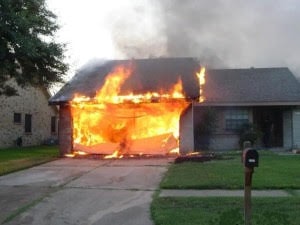
Selecting the right electrical panel is more than a matter of convenience—it’s a matter of safety. According to the National Fire Protection Association (NFPA), electrical fires cause over 50,000 home fires every year in the United States. Many of these incidents are traced back to outdated or improperly sized electrical panels.
Modern electrical panels are designed with advanced safety features that significantly reduce these risks. For example, arc fault circuit interrupters (AFCIs) and ground fault circuit interrupters (GFCIs) provide a level of protection that older fuse boxes and small-capacity breaker panels simply cannot match.
By upgrading to a properly sized and modern panel, homeowners can reduce the risk of electrical fires by up to 75%. Beyond safety, feature-rich panels improve efficiency, reliability, and capacity for future expansion—all essential in today’s power-hungry households with EV chargers, smart devices, and high-performance appliances.
The Hidden Dangers of Aging Electrical Panels
Another critical reason to upgrade is the poor condition of many existing panels. Across the country, electricians are finding panels that are literally catching fire due to internal failures. Common problems include:
- Corroded bus bars where breakers connect to the main panel.
- Melted breakers are caused by overloaded circuits that overtax the breaker and generate extreme heat.
- Discolored and damaged bus bars beneath failed breakers can spread issues to surrounding circuits.
We frequently pull out melted and corroded breakers during inspections, a clear sign of hidden fire risks. Many of these fires start in garages or utility areas, but overloaded devices inside the home can also trigger them.
Why a New Panel Makes All the Difference
When an overloaded circuit occurs, an outdated panel may not respond fast enough to prevent overheating. A modern electrical panel is designed to be more sensitive, shutting down circuits quickly when dangerous conditions are detected. This prevents heat build-up, protects your home from fire, and safeguards your appliances and devices.
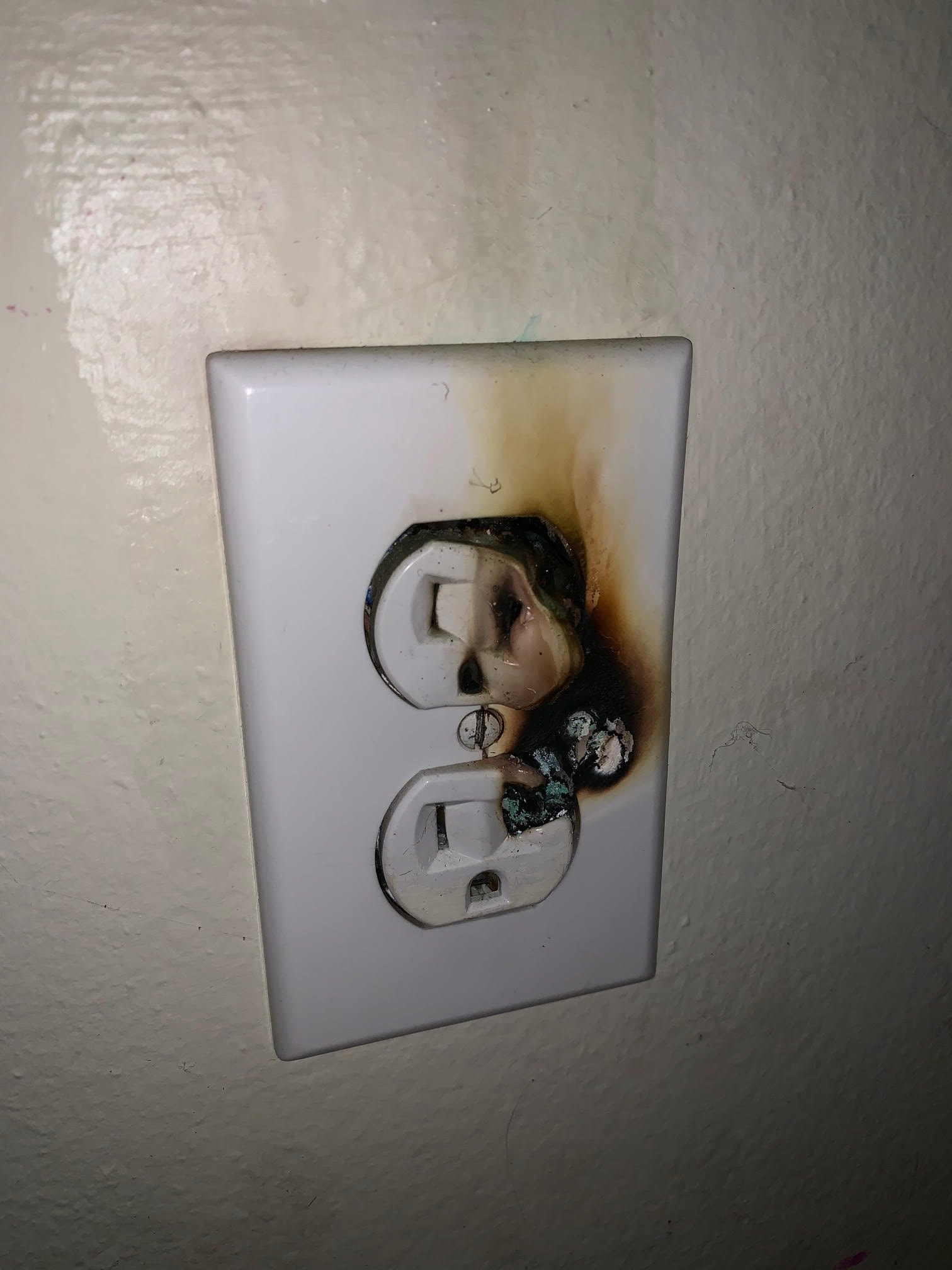
It’s especially important to consider a replacement if your home has old wiring, plugs, and switches. While a new panel cannot correct those issues on its own, it ensures that when problems arise, the breaker trips properly instead of letting the system fail silently.
In short, upgrading to a modern panel isn’t just about meeting today’s electrical demand—it’s about protecting your entire electrical system from the inside out.
Cost implications extend far beyond initial purchase prices. Installing the right electrical panel can reduce electrical maintenance costs by 30-40% over 20 years through improved reliability, easier troubleshooting, and reduced component failures. The choice of electrical panel depends on your current and future power needs, as well as safety and professional installation considerations. Smart panels with energy monitoring capabilities help homeowners identify power-hungry appliances and optimize usage patterns, potentially reducing electricity bills by 10-15%.
Capacity planning proves crucial for future expansion plans. Determining how much power your home or building will require is key to selecting the appropriate panel. Undersized panels require expensive upgrades when adding major appliances, solar panels, or EV charging stations. A properly sized panel with extra circuit capacity costs marginally more initially but saves thousands in future upgrade costs.
Electrical Panel Types Comparison Table
Panel Type | Amperage Range | Circuit Capacity | Primary Application | Average Cost | Key Safety Features |
|---|---|---|---|---|---|
Main Breaker Panel | 100A-400A | 20-42 circuits | Residential homes | $150-$500 | AFCI, GFCI, main disconnect |
Subpanel | 60A-200A | 12-24 circuits | Garages, additions | $100-$300 | Individual circuit protection |
Main Lug Panel | 100A-400A | 20-42 circuits | Commercial subpanels | $120-$400 | Circuit breakers, no main |
Transfer Switch Panel | 100A-400A | 8-16 circuits | Backup power systems | $500-$2,000 | Automatic/manual switching |
Three-Phase Panel | 100A-1,200A | 24-60 circuits | Commercial/industrial | $800-$5,000 | Three-phase protection |
Motor Control Center | 100A-4,000A | Variable | Industrial motors | $2,000-$20,000 | Motor protection, control |
Power Control Center | 480V-15kV | High capacity | Large facilities | $10,000-$100,000 | Switchgear, protection |
APFC Panel | Variable | Capacitor banks | Industrial facilities | $3,000-$15,000 | Power factor correction |
Load Center | 100A-200A | 20-40 circuits | Basic residential | $75-$250 | Basic circuit protection |
Smart Panel | 200A-400A | 20-42 circuits | Modern homes | $2,000-$4,000 | Digital monitoring, control |
Step-by-Step Guide to Selecting the Right Electrical Panel Type
Step 1: Assess Your Power Requirements and Load Calculations
Calculate your current power requirements by listing all electrical appliances, lighting, and systems in your building. For residential applications, start with essential loads: HVAC system (typically 30-60 amps), water heater (20-30 amps), range (40-50 amps), and dryer (30 amps). Add lighting and outlet circuits (15-20 amps each) plus any special equipment like pool pumps or workshop tools.
Modern homes typically require 200-amp service to handle contemporary electrical needs including multiple large appliances, electronic devices, and potential future additions like EV chargers or solar panels. Homes with electric heating, swimming pools, hot tubs, or workshop areas often need 400-amp service to prevent overloading.
Include a 25% safety margin above your calculated load to accommodate future expansion plans and ensure the electrical system operates efficiently without approaching maximum capacity. For example, if your calculated load totals 160 amps, select a 200-amp panel to maintain adequate headroom.
Step 2: Compare Panel Features Against Your Needs
Match panel types to your specific application requirements. Residential installations typically use main breaker panels for their comprehensive control and safety features, while commercial buildings might require multiple panels including power control centers for heavy equipment and motor control centers for industrial processes.
Evaluate advanced safety features based on your environment and risk factors. Homes with older wiring benefit from AFCI protection to detect arc faults, while areas prone to moisture require GFCI protection. Smart panels offer real-time monitoring and remote control capabilities valuable for energy management and troubleshooting.
Consider the physical installation location and environmental requirements. Outdoor installations require NEMA 3R rated enclosures for weather protection, while indoor panels can use standard NEMA 1 ratings. Ensure adequate clearance space around the panel for safe access and future maintenance.
Step 3: Validate Compliance and Installation Requirements
Verify that your selected panel meets current National Electrical Code (NEC) requirements and local electrical permit standards. Modern electrical panels must include AFCI protection for most residential circuits and GFCI protection for wet areas like bathrooms, kitchens, and outdoor outlets.
Professional installation by a qualified electrician is mandatory for most electrical panel work due to safety requirements and code compliance. DIY installation violates most local codes and creates serious fire hazards and electrical shock risks. Licensed electricians ensure proper grounding, correct wire sizing, and code-compliant installation practices.
Factor installation complexity into your budget and timeline. Simple panel replacements in existing locations typically take 4-6 hours, while new installations requiring service upgrades or meter relocations may require 1-2 days plus utility company coordination.
Common Mistakes to Avoid When Comparing Electrical Panels
Mistake 1: Choosing undersized panels based only on current needs without future expansion consideration. Many homeowners select panels that barely meet their existing electrical load, then face expensive upgrades when adding major appliances, electric vehicle chargers, or home additions. Flickering lights can be a sign of an undersized or faulty electrical panel and should prompt an inspection or upgrade to ensure safety and reliable power. A 200-amp panel costs only slightly more than a 150-amp unit but provides significantly more future flexibility.
Mistake 2: Focusing solely on upfront cost while ignoring long-term maintenance and safety features. Cheap panels often lack modern safety features like AFCI protection and may use inferior components that fail prematurely. Quality panels with comprehensive safety features prevent electrical fires and reduce long-term maintenance costs despite higher initial prices.
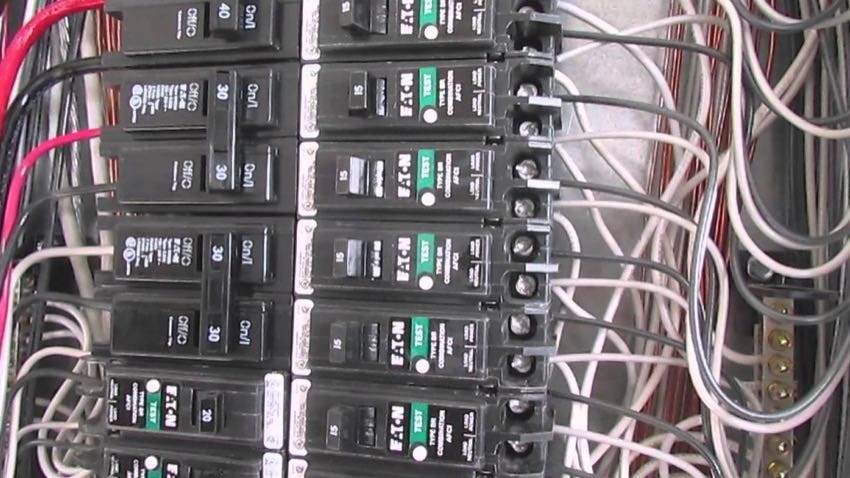
Mistake 3: Selecting panels without verifying compatibility with existing electrical infrastructure. Installing a new panel without upgrading inadequate service entrance wiring or grounding systems creates safety hazards and code violations. The entire electrical system must work together safely and efficiently.
Pro Tip: Always consult with licensed electricians for proper load calculations and code compliance verification. Electrical work involves life safety considerations that require professional expertise and inspection to ensure safe, legal installation.
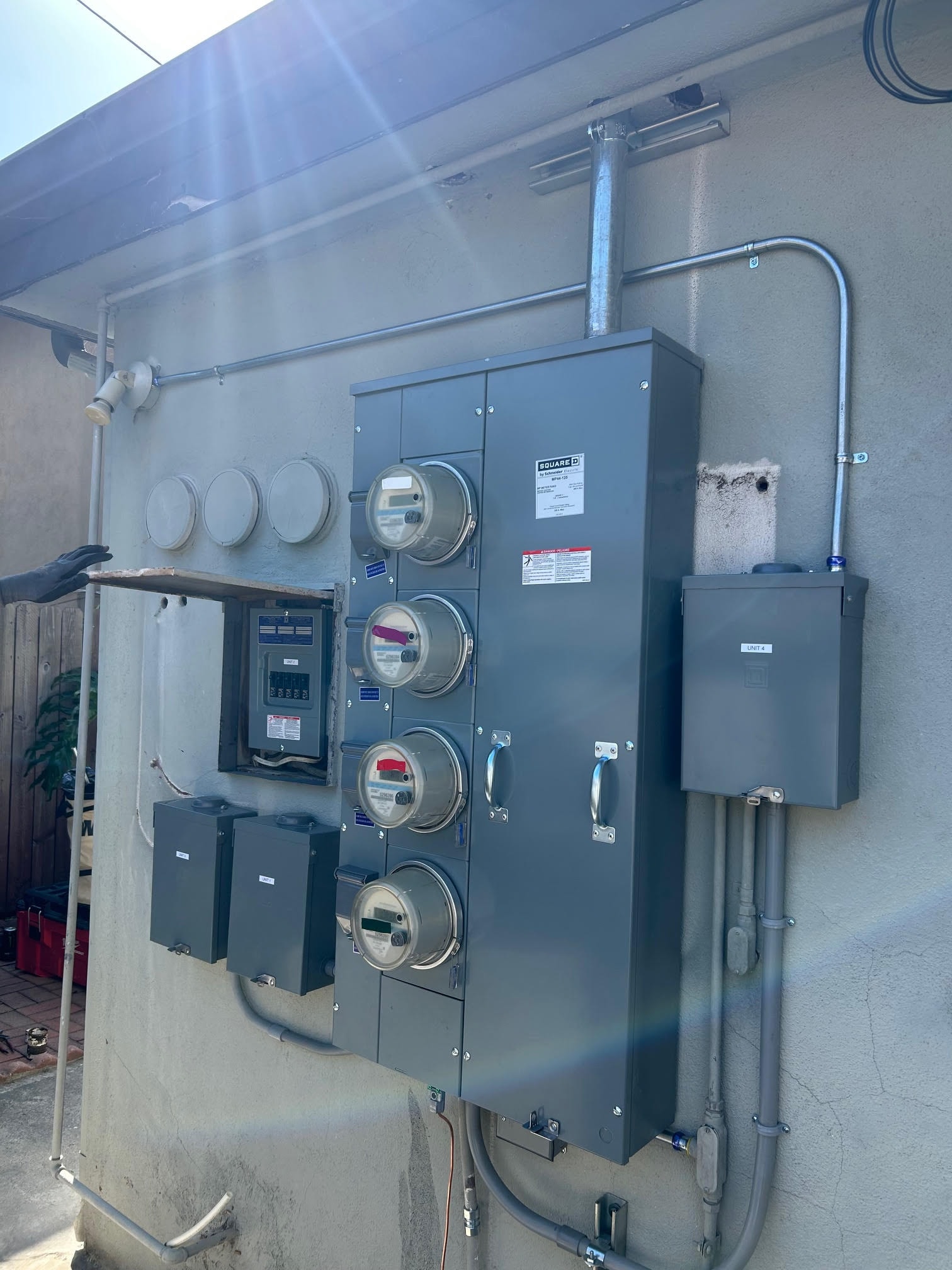
Real-Life Case Study: Panel Type Selection for 3,500 sq ft Home
Case Study: Johnson Family upgraded from 100-amp fuse box to 200-amp main breaker panel with smart monitoring features. Their 1970s home experienced frequent power trips when running multiple appliances simultaneously, and the outdated fuse system prevented adding an electric vehicle charger for their new hybrid car.
The starting situation included a 100-amp fuse box with only 12 circuits serving a 3,500 square foot home with electric heat pump, central air conditioning, electric range, and standard household loads. Frequent blown fuses occurred when operating the dryer and range simultaneously, and the family wanted to add EV charging capability and a workshop in the garage.
The panel comparison process evaluated several options: upgrading to a 200-amp main breaker panel versus installing a 400-amp service with subpanel configuration. Load calculations showed their existing usage totaled approximately 140 amps during peak demand, with the planned EV charger adding another 40 amps. The electrician recommended a 200-amp main panel with a dedicated 60-amp subpanel for the garage workshop and EV charger.
Final results delivered a 40% increase in electrical capacity with total installation costs of $XXXX including permits and inspection. The new system included smart monitoring capabilities showing real-time power usage, AFCI protection for all bedrooms and living areas, and surge protection for sensitive electronics. The family eliminated power interruptions and gained the ability to charge their electric vehicle while running all household appliances simultaneously.
Feature | Before (Fuse Box) | After (Smart Panel) |
|---|---|---|
Total Capacity | 100 amps | 200 amps |
Circuit Count | 12 circuits | 32 circuits |
Safety Features | Basic fuses | AFCI, GFCI, surge protection |
Monitoring | None | Real-time digital monitoring |
Future Expansion | None available | 8 spare circuit slots |
FAQs About Electrical Panel Types and Features
Q1: What’s the difference between main breaker and main lug panels? A1: Main breaker panels include a master shutoff switch that controls power to the entire electrical system, while main lug panels require an external disconnect device and are typically used as subpanels drawing power from a main breaker panel.
Q2: How do I know if I need a 200-amp or 400-amp electrical panel? A2: Calculate your total electrical load including all appliances and systems. Most modern homes need 200-amp service, while large homes with electric heating, multiple HVAC systems, pools, workshops, and EV chargers may require 400-amp service for adequate capacity.
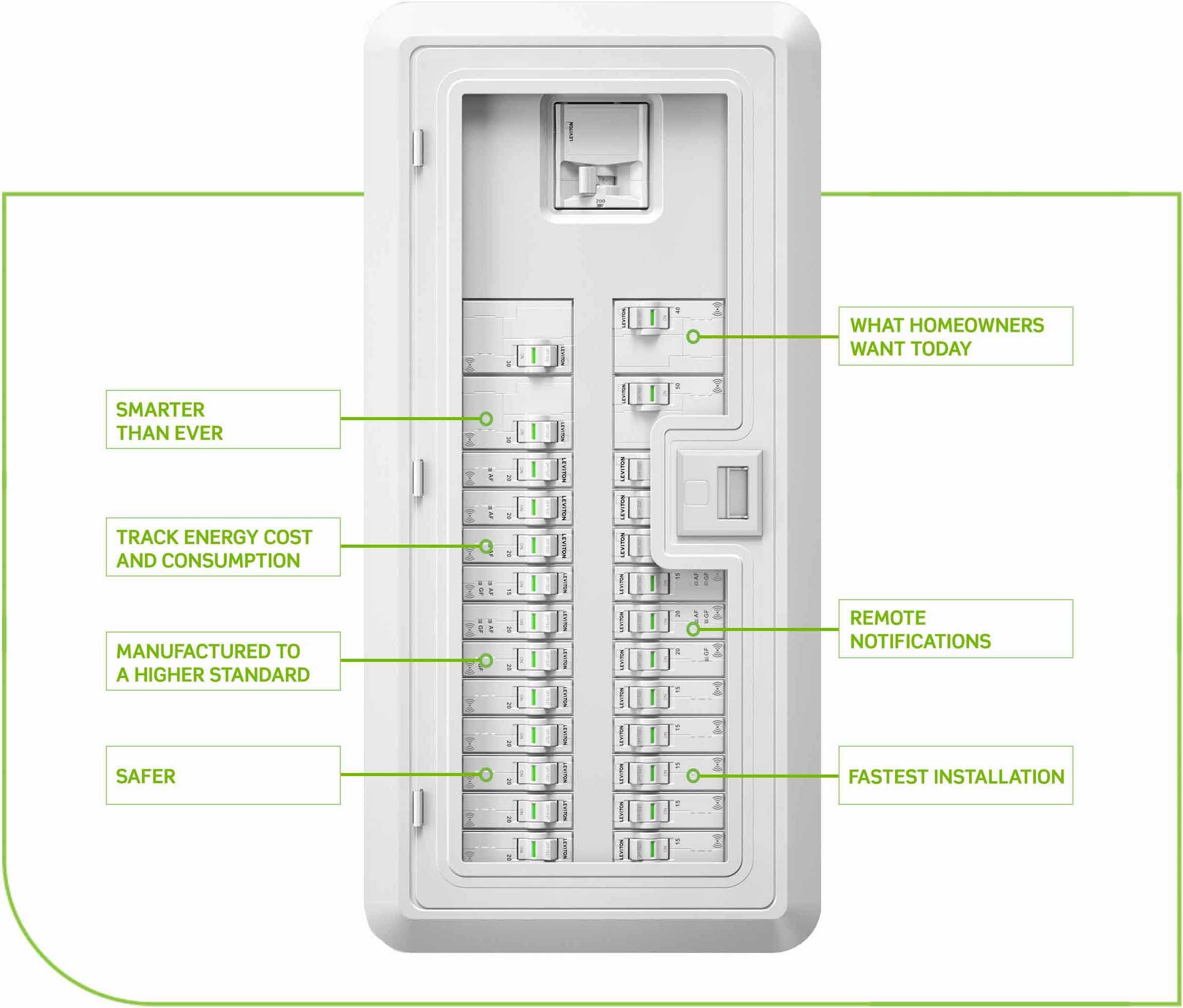
Q3: Are smart electrical panels worth the extra cost? A3: Smart panels provide real-time energy monitoring, remote circuit control, and integration with solar panels and backup generators. They can reduce electricity bills by 10-15% through usage optimization and offer valuable troubleshooting capabilities, justifying their higher cost for tech-savvy homeowners.
Q4: When should I choose a three-phase panel over single-phase? A4: Three-phase panels are essential for commercial and industrial applications with heavy machinery, large electric motors, or total electrical loads exceeding 100kW. Residential applications almost always use single-phase panels unless operating significant workshop equipment.

Conclusion: Key Takeaways for Electrical Panel Selection
The most important comparison factors for choosing electrical panels include capacity requirements based on current and future needs, comprehensive safety features like AFCI and GFCI protection, proper application matching (residential vs. commercial vs. industrial), realistic budget planning including installation costs, and adequate space for future expansion plans.
Professional consultation with qualified electricians proves essential for accurate load calculations, code compliance verification, and safe installation practices. Electrical panel work involves complex safety considerations and legal requirements that demand professional expertise and proper permitting.
Request detailed quotes from multiple licensed electricians and compare panel options based on total system cost, not just equipment prices. Quality panels with modern safety features provide better long-term value through improved reliability, enhanced safety, and reduced maintenance requirements.
The investment in proper electrical panels pays dividends through increased safety, reliable power distribution, and flexibility for future electrical needs. Modern homes and commercial buildings benefit significantly from upgraded electrical systems that prevent electrical fires, support contemporary power demands, and enable integration with renewable energy and smart building technologies.