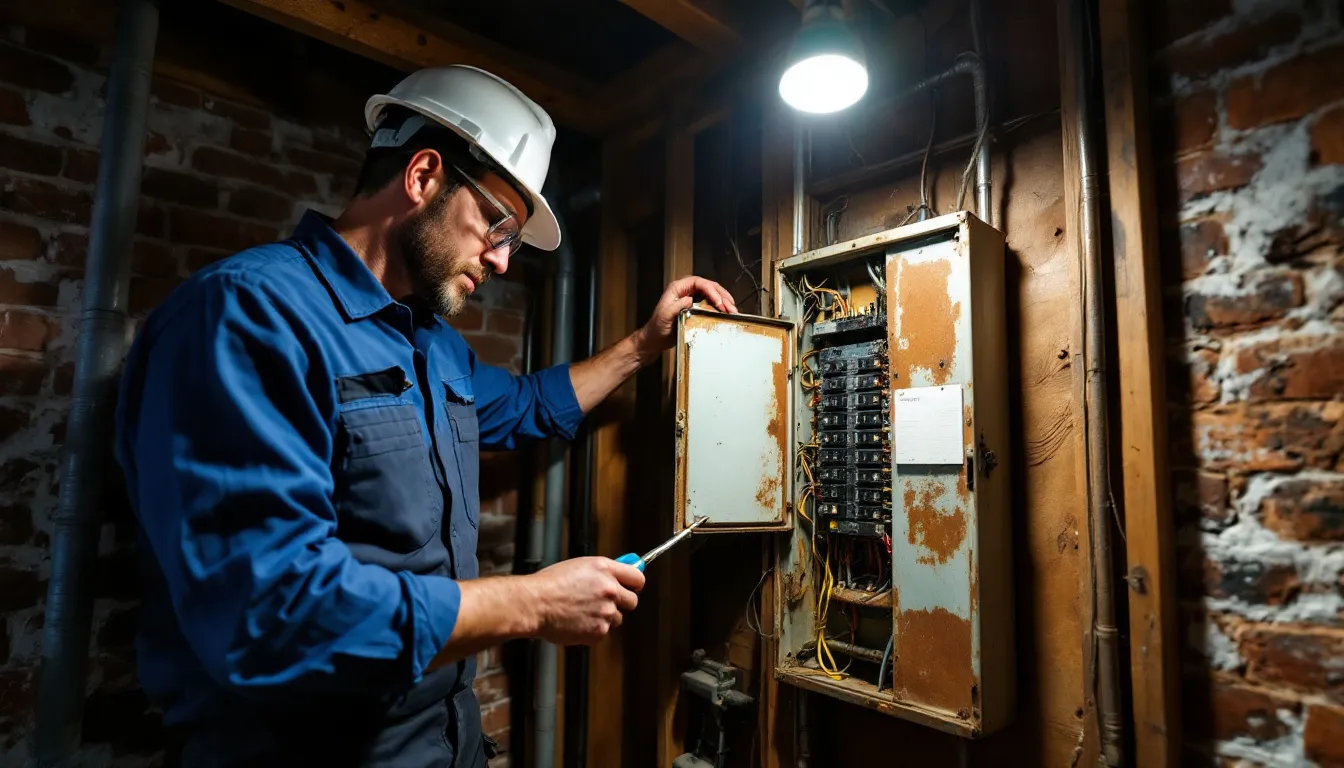
Choosing between main lug panels vs main breaker panels is one of the most critical electrical decisions for your home’s safety and code compliance. Your electrical panel serves as the central distribution center for your entire electrical system, and understanding the key differences between these two types of panels can help you make an informed decision that protects your family and property.
Whether you’re planning a panel upgrade, building a new home, or adding electrical service to a separate building, knowing when to use main breaker panels versus main lug panels will ensure your electrical system meets current building codes and provides reliable protection. At Tradesman Electric, we help homeowners navigate these critical decisions with expert guidance and professional installation.
This complete guide explains everything you need to know about main lug panels vs. main breaker panels, including safety considerations, code compliance requirements, and practical applications for each panel type.
Key Differences: Main Lug vs Main Breaker Panels
The fundamental difference between main lug panels and main breaker panels lies in how they handle overcurrent protection and power disconnection for your entire electrical system.
Main breaker panels include a built-in main circuit breaker that controls power to the entire home and provides overcurrent protection. This integrated main breaker acts as both a disconnect switch and a safety device, typically rated for 100, 150, or 200 amps depending on your electrical system’s load requirements. When you flip the main breaker to the “off” position, it immediately cuts power to every circuit in your home.
Main lug panels connect directly to the electrical service without a built-in main breaker, relying instead on upstream breaker protection. The main lugs are large terminal points where incoming power cables connect directly to the panel’s main bus bars. These panels depend on an external overcurrent protection device, such as a main breaker located at the meter or in a separate disconnect.
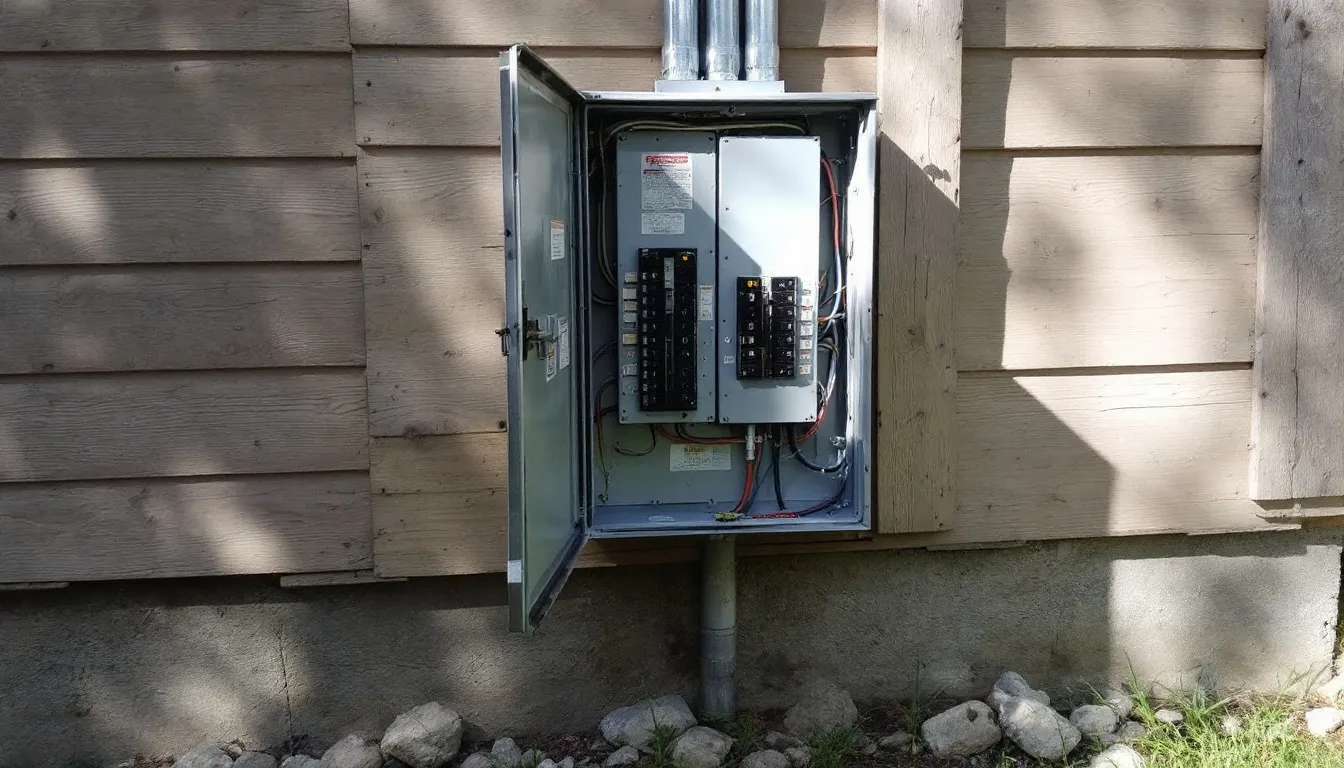
Main breaker panels allow you to shut off all power to your home with a single switch, making them essential for safety and emergencies. This simplified control makes electrical maintenance safer and provides immediate power disconnection during emergencies like electrical fires or flooding.
Main lug panels require an external disconnect switch or rely on the meter’s main breaker for complete power shutoff. While this configuration works well for specific applications like sub-panels, it can complicate emergency procedures since the main disconnect may be located outside or in a separate location.
These differences have significant implications for installation complexity, code compliance, and long-term electrical system safety. Understanding these distinctions helps homeowners make the right choice for their specific electrical needs.
What is a Main Breaker Panel?
A main breaker panel serves as the primary electrical distribution point with integrated overcurrent protection for your entire electrical system. This type of load center combines power distribution and safety protection in a single, code-compliant unit that meets most residential electrical needs.
The main breaker acts as both a disconnect switch and a safety device, automatically shutting off power during dangerous conditions like electrical overloads or short circuits when the electrical load exceeds the breaker’s amperage rating. The built-in main breaker trips to prevent electrical fires and protect your home’s wiring system.
Most residential main breaker panels are rated for 100, 150, or 200 amps, with the main breaker sized to match your electrical system’s load requirements. The main circuit breaker connects directly to the primary service conductors from your utility company, making it the first point of protection in your electrical system.
Real-world example: During a severe thunderstorm, a lightning strike causes a power surge in your neighborhood. Your main breaker panel’s integrated overcurrent protection device automatically trips the main breaker, disconnecting power to protect your entire electrical system from surge damage. You can safely restore power by simply resetting the main breaker once conditions stabilize.
The main breaker also serves as the primary disconnect for your electrical system, allowing you to shut off all power for maintenance work or emergencies. This critical component makes main breaker panels the preferred choice for most residential service entrances.
Tradesman Electric recommends main breaker panels for most residential applications because they provide superior safety, simplified control, and built-in code compliance. The integrated design reduces installation complexity while ensuring your electrical system meets current National Electrical Code requirements.
What is a Main Lug Panel?
A main lug panel functions as a connection point that distributes power without built-in overcurrent protection for the entire electrical system. Instead of containing a main breaker, these panels use main lugs – significant terminal points that connect service conductors directly to the panel’s main bus bars for distributing power throughout the electrical load.
Main lugs connect service conductors directly to the panel’s main bus bars without passing through a main circuit breaker. The incoming wires attach to these substantial terminal lugs, which then feed power to the individual circuits through the panel’s distribution system. This direct connection makes main lug panels ideal for specific applications where upstream protection is already in place.
Typical applications include sub-panels in detached garages, workshops, home additions, or separate buildings where the main panel already provides primary overcurrent protection. A main lug load center works well when connected downstream from a main breaker panel, creating a distributed electrical system that efficiently serves multiple areas.
For example, your main house has a 200-amp main breaker panel, and you want to add electrical service to a detached garage. A main lug panel in the garage can receive power from a circuit breaker in the main panel, providing local circuit distribution without requiring duplicate main breaker protection.
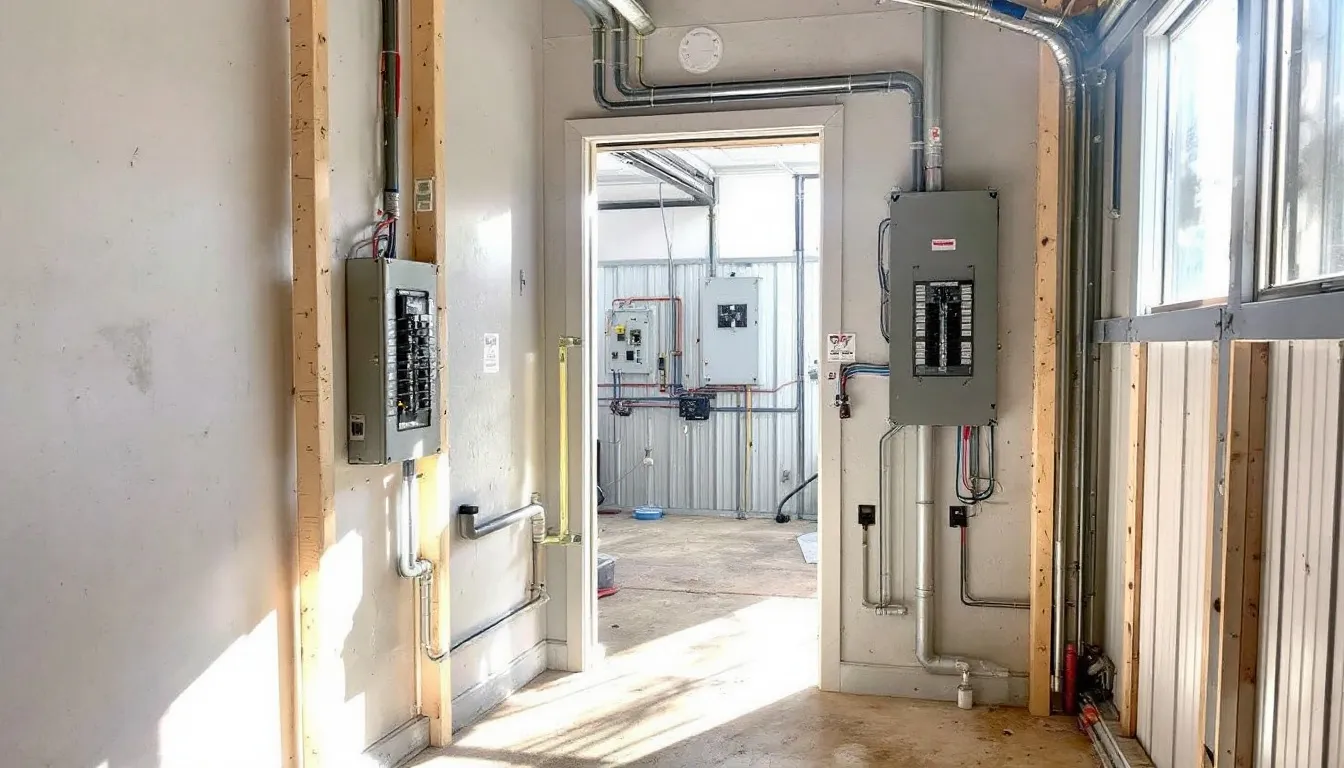
Main lug panels are typically less expensive upfront than main breaker panels since they don’t include the main breaker hardware. However, they may require additional safety components like external disconnects to meet local building codes, potentially increasing overall installation costs.
Tradesman Electric recommends main lug configurations for specific installations where they provide the most practical and cost-effective solution. Our electricians evaluate your electrical needs to determine whether a main lug panel is appropriate for your project and ensure all installations meet current code requirements.
Safety Considerations and Code Compliance
When comparing main lug panels vs main breaker panels, safety considerations and code compliance requirements play crucial roles in determining the right choice for your electrical system. Understanding these factors helps ensure your electrical installation protects your family and meets current standards.
Main breaker panels provide superior safety with integrated overcurrent protection and emergency disconnect capability. The built-in main breaker automatically shuts off power during overloads, short circuits, or other electrical faults, preventing electrical fires and protecting your home’s wiring system. This immediate response time can be critical during electrical emergencies.
National Electrical Code (NEC) requirements mandate specific provisions for main disconnects in residential installations. Current building codes typically require a readily accessible main disconnect that can shut off all power to the building. Main breaker panels inherently meet this requirement with their integrated main circuit breaker.
Main lug panels may require additional components to meet local building codes, particularly when used as primary service entrances. Some installations need external disconnect switches or meter-main combinations to satisfy code requirements for emergency power shutoff. These additional components can increase installation complexity and cost of installation.
Critical warning about older panels: Regardless of whether you have a central lug or main breaker configuration, panels manufactured by Zinsco or Federal Pacific should be replaced immediately. These legacy panels have documented failure rates of up to 80% and pose serious fire risks due to breakers that may fail to trip during dangerous conditions.
Federal Pacific panels, in particular, have been linked to numerous house fires and electrical accidents. The Consumer Product Safety Commission has identified these panels as safety hazards that should be replaced regardless of age or apparent condition.
Tradesman Electric prioritizes code compliance and safety in all electrical panel installations. Our licensed electricians stay current with NEC updates and local code requirements, ensuring that every installation meets or exceeds the highest safety standards. We also specialize in identifying and replacing hazardous legacy panels, such as Zinsco and Federal Pacific units.
Additional safety considerations include proper grounding, adequate amperage ratings for your electrical load, and appropriate installation location. Professional assessment ensures that your electrical panel provides reliable protection for your entire electrical system, while also meeting all applicable codes.
When to Choose Main Breaker vs Main Lug Panels
Selecting between main breaker panels and main lug panels depends on your specific electrical application, code requirements, and system configuration. Understanding when each panel type works best helps ensure you choose the right solution for your electrical needs.
Main breaker panels are ideal for primary electrical service in homes, providing all-in-one protection and control for your entire electrical system. These panels work best as the main service entrance where utility power first enters your building, offering integrated overcurrent protection and centralized power control.
Choose a main breaker panel when:
- Installing a new electrical service entrance
- Upgrading an existing main panel
- Building a new home or a significant addition
- Replacing dangerous legacy panels like Zinsco or Federal Pacific
- Local codes require a readily accessible main disconnect
Main lug panels work well for sub panels when protected by an upstream main breaker in the main panel. These configurations create efficient distributed electrical systems that serve multiple areas while maintaining centralized protection.
Main lug panels are appropriate when:
- Adding electrical service to a detached garage or workshop
- Installing subpanels for home additions or renovations
- Creating secondary distribution centers in large homes
- A main breaker already exists at the meter or service entrance
- Cost considerations favor the less expensive main lug option
Real-world example: A homeowner wants to add electrical service to a detached garage for workshop equipment and electric vehicle charging. The main house has a 200-amp main breaker panel with available capacity. Installing a 100-amp main lug panel in the garage, fed by a 100-amp breaker in the main panel, provides adequate power distribution while maintaining proper overcurrent protection.
Scenarios where main lug panels are appropriate include situations where the utility company provides a meter-main combination that contains the main breaker at the meter base. In these configurations, a main lug panel located inside the building can serve as the distribution center, eliminating the need for duplicate main breaker protection.
Some commercial settings also use main lug panels in multi-panel systems where a primary main breaker panel feeds several main lug load centers throughout the building. This arrangement provides efficient power distribution while maintaining centralized control and protection.
Professional assessment is crucial for determining the best panel configuration for your specific needs. Factors like electrical load demands, building codes, future expansion plans, and existing electrical infrastructure all influence the optimal choice between main lug and main breaker panels.
Call Tradesman Electric for a professional assessment of your electrical needs. Our experienced electricians evaluate your specific situation, review applicable codes, and recommend the most appropriate panel configuration for your safety and compliance requirements.
Installation and Cost Differences
The installation process and associated costs differ significantly between main breaker panels and main lug panels, affecting both upfront expenses and long-term electrical system functionality. Understanding these differences helps homeowners budget appropriately and make informed decisions about their electrical panel investment.
Main breaker panels simplify installation with integrated components that reduce the need for additional parts and connections. The built-in main circuit breaker eliminates the need for external disconnect switches in most residential applications, streamlining the installation process and reducing labor time.
The installation advantages of main breaker panels include:
- Single-unit design reduces connection points
- Built-in code compliance for main disconnect requirements
- Simplified wiring with fewer external components
- Faster installation due to integrated protection
Installation complexity of the main lug panels varies depending on the specific application and code requirements. When used as sub-panels connected to existing main breaker panels, installation is straightforward. However, main lug panels used as primary service entrances may require additional components like external disconnects or meter-main combinations.
Main lug panel installation considerations:
- May require external disconnect switches for code compliance
- Additional safety devices can increase installation time
- More complex wiring when external protection is needed
- Potential for multiple inspection requirements
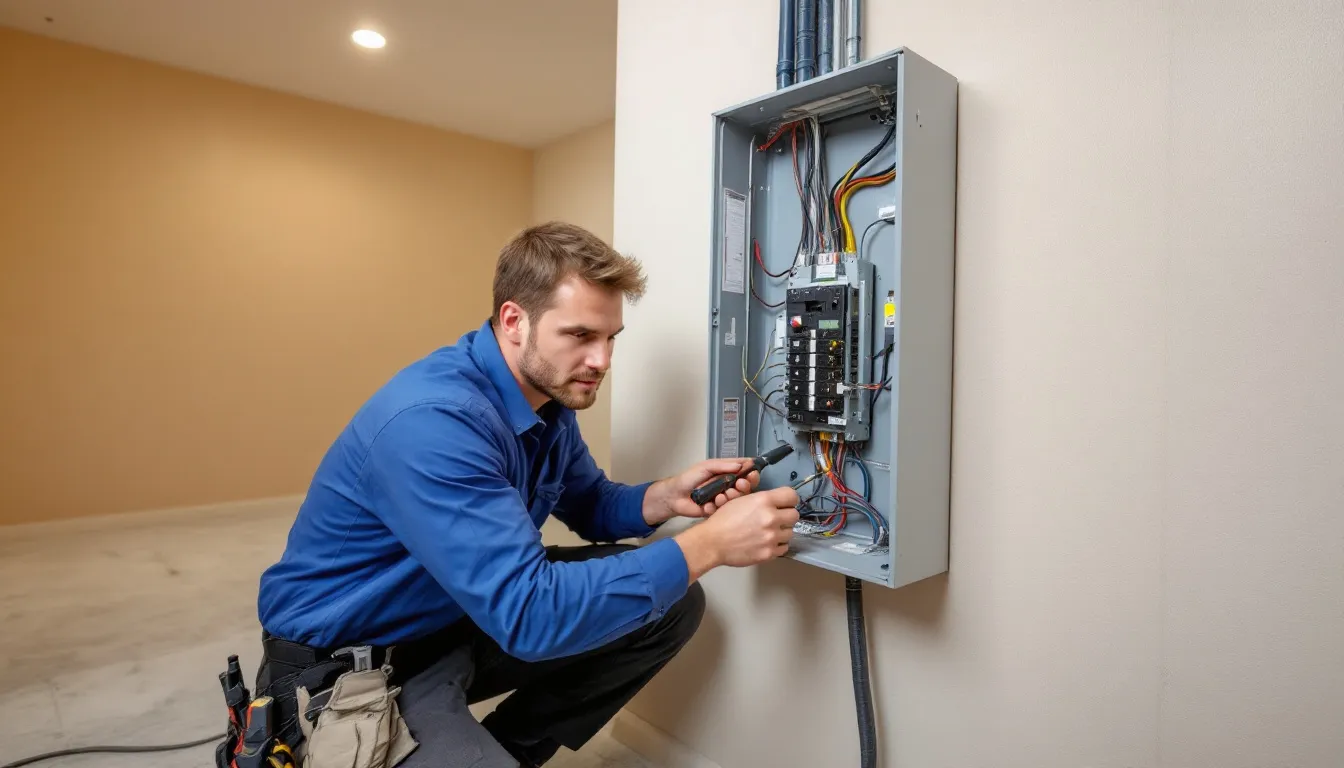
Labor cost differences between main breaker and main lug panel installations depend on system complexity and local code requirements. Main breaker panel installations typically require less labor time due to their integrated design, while main lug panels may need additional work for external disconnects or safety devices.
Long-term cost considerations include potential code compliance upgrades and future electrical work. Main breaker panels often provide better long-term value by simplifying future electrical modifications and ensuring ongoing code compliance.
Cost factors affecting both panel types:
- Panel amperage rating and quality
- Local labor rates and permit fees
- Electrical system complexity and accessibility
- Code compliance requirements and upgrades
- Future expansion capabilities
Typical cost ranges for residential panel installations vary by region and specific requirements. Main breaker panel installations generally range from $1,500 to $4,000 or more, depending on amperage rating, local codes, and installation complexity. Main lug panel costs may be lower initially, but can increase if external disconnects or upgrades are required.
For accurate cost estimates based on your specific project requirements, contact Tradesman Electric for a comprehensive assessment. Our electricians evaluate your electrical needs, review local code requirements, and provide detailed estimates that include all necessary components and labor for a complete, code-compliant installation.
Professional installation ensures your electrical panel meets current safety standards while providing reliable service for years to come. Investing in quality installation by licensed electricians protects your family and property while potentially saving money on future electrical work.
Converting Between Main Lug and Main Breaker Panels
Converting between main lug and main breaker panel configurations can improve electrical system safety, functionality, and code compliance in many situations. Understanding when and how these conversions work helps homeowners determine if upgrading their existing electrical panel makes sense for their specific needs.
Situations where converting a main lug panel to a main breaker configuration improves safety and functionality include upgrading older electrical systems, meeting current code requirements, and preparing for electrical system expansion. Converting to a main breaker panel provides centralized power control and enhanced safety features.
Common conversion scenarios:
- Older main lug panels are lacking adequate overcurrent protection
- Code compliance upgrades required by local authorities
- Electrical system expansion requiring increased capacity
- Insurance requirements for improved electrical safety
- Preparation for selling a home with outdated electrical systems
Technical requirements for panel conversion include adequate space within the existing panel enclosure, proper amperage ratings, and compatibility with manufacturer-approved conversion kits. Not all main lug panels can be converted to a main breaker configuration, depending on the original design and available space.
Conversion considerations include:
- Panel enclosure size and available space for the main breaker
- Amperage capacity matching electrical load requirements
- Compatibility with manufacturer conversion components
- Proper bus bar configuration and connections
- Adequate clearance for safe breaker operation
When existing main lug panels should be upgraded depends on several factors, including age, condition, code compliance, and safety concerns. Panels manufactured by problematic companies like Zinsco or Federal Pacific should always be replaced entirely rather than converted, regardless of configuration.
Upgrade indicators:
- Panels older than 25-30 years
- Frequent circuit breaker tripping
- Signs of overheating or electrical damage
- Non-compliance with current electrical codes
- Insurance company requirements for panel replacement
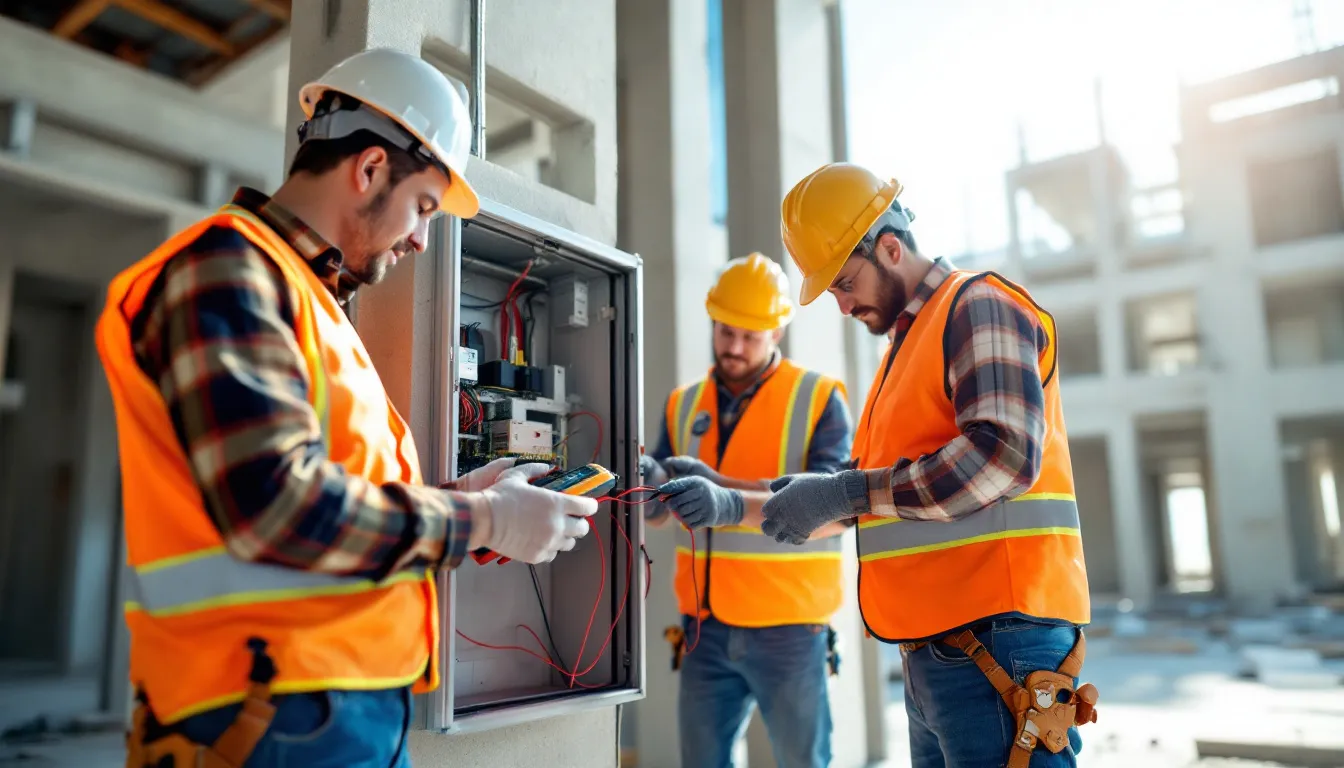
Professional installation by Tradesman Electric ensures proper conversion and code compliance while maintaining electrical system safety. Our licensed electricians assess existing panels, determine conversion feasibility, and perform all work according to current electrical codes and manufacturer specifications.
Converting main breaker panels to main lug configuration is less common but sometimes necessary when reconfiguring electrical systems or repurposing panels as sub-panels. This type of conversion typically involves removing the main breaker and installing appropriate lugs for direct connection.
Warning against DIY electrical work: Panel conversions involve working with high-voltage electrical connections that can cause serious injury or death. Licensed electrician requirements for panel modifications exist to protect homeowners and ensure safe, code-compliant installations.
Professional conversion services include:
- Comprehensive electrical system assessment
- Proper permit acquisition and inspections
- High-quality components and workmanship
- Code compliance verification
- Warranty protection for completed work
Tradesman Electric provides expert panel conversion services with the knowledge and experience to ensure your electrical system operates safely and reliably. Our commitment to quality workmanship and code compliance gives you confidence in your electrical system upgrade.
Professional Recommendations from Tradesman Electric
As your trusted local electrical experts, Tradesman Electric provides professional guidance on choosing between main lug panels vs main breaker panels based on decades of experience serving homeowners in our community. Our recommendations prioritize safety, code compliance, and long-term electrical system reliability.
Tradesman Electric typically recommends main breaker panels for most residential applications due to their superior safety features, code compliance advantages, and simplified operation. Main breaker panels provide the best combination of protection, convenience, and future-proofing for most homes.
Main breaker panels offer homeowners:
- Integrated overcurrent protection for the entire electrical system
- Single-point power disconnect for emergencies and maintenance
- Built-in compliance with National Electrical Code requirements
- Simplified electrical system operation and troubleshooting
- Better long-term value through reduced future upgrade needs
Proper electrical panel selection depends on multiple factors, including home size, electrical load requirements, local code requirements, and future expansion plans. Our licensed electricians evaluate each situation individually to recommend the most appropriate panel configuration for your specific needs.
Key evaluation factors include:
- Current and projected electrical load demands
- Local building code requirements and restrictions
- Existing electrical infrastructure and upgrade needs
- Budget considerations for initial and long-term costs
- Future electrical system expansion possibilities
A professional electrical assessment before choosing between main lug and main breaker configurations ensures you receive the right solution for your home’s electrical needs. Tradesman Electric provides comprehensive electrical evaluations that identify current system conditions, code compliance issues, and upgrade requirements.
Our assessment process includes:
- Complete electrical system inspection and testing
- Load calculation analysis for proper panel sizing
- Code compliance review for current and future requirements
- Safety evaluation, including identification of hazardous conditions
- Detailed recommendations with cost estimates and timelines
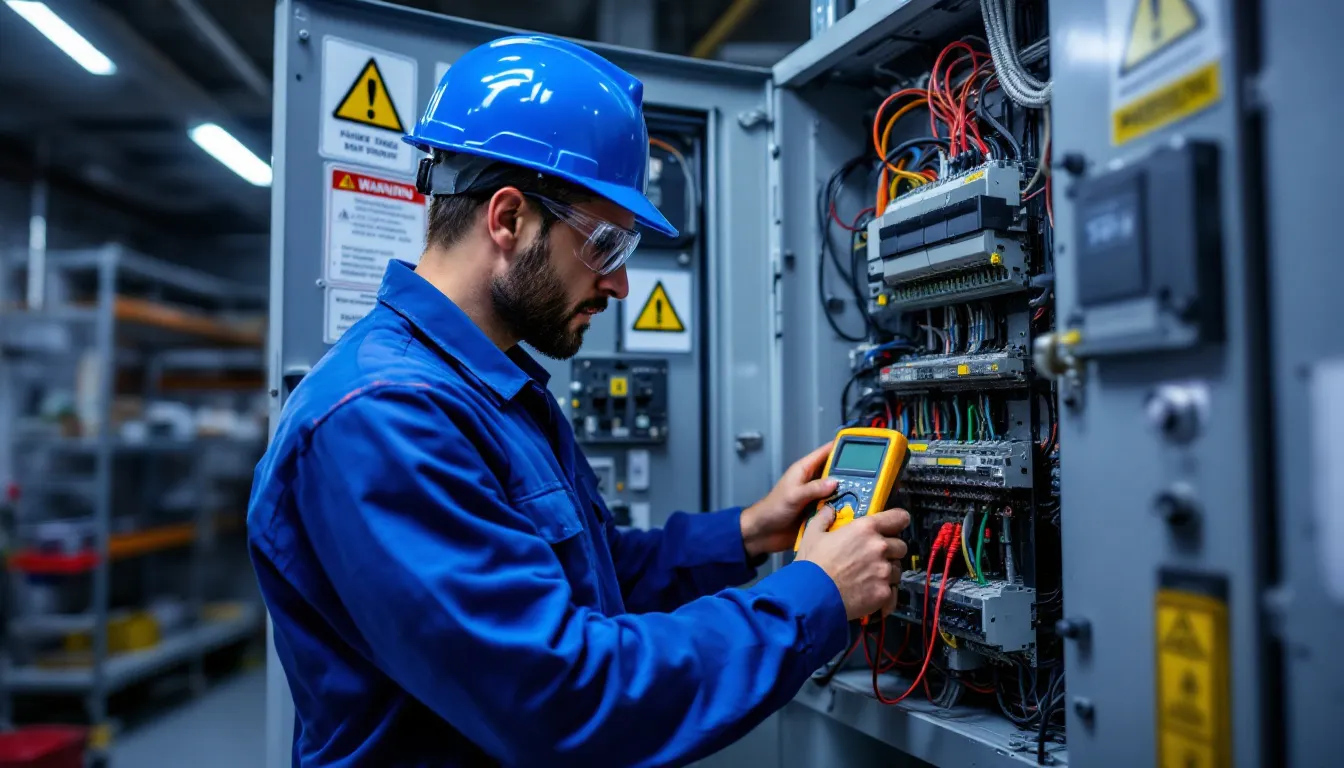
Quality workmanship standards that Tradesman Electric maintains for all electrical panel installations ensure your electrical system provides reliable, safe service for decades. We use only high-quality, UL-listed electrical components from reputable manufacturers and follow strict installation procedures.
Our quality standards include:
- Licensed, experienced electricians on every job
- Premium electrical components and materials
- Strict adherence to electrical codes and manufacturer specifications
- Comprehensive testing and inspection procedures
- Full warranty protection on all workmanship and materials
Special expertise in legacy panel replacement: Tradesman Electric has extensive experience identifying and replacing dangerous panels like Zinsco and Federal Pacific units. These obsolete panels pose serious safety risks and should be replaced immediately, regardless of apparent condition or age.
We provide complete replacement services for problematic panels, ensuring your new electrical system meets current safety standards and provides reliable protection for your family and property. Our team handles all aspects of panel replacement, from permits and inspections to final testing and cleanup.
Tradesman Electric stands behind our work with comprehensive warranties and ongoing support for all electrical panel installations. Our commitment to customer satisfaction means we’re available for questions, maintenance, and future electrical needs long after your panel installation is complete.
Your electrical system is too important to trust to inexperienced contractors or attempt as a DIY project. Electrical panel work requires specialized knowledge, proper tools, and strict attention to safety procedures that only licensed professionals possess.
Contact Tradesman Electric today for expert consultation on your electrical panel needs. Our team provides honest, professional guidance based on your specific situation, helping you make the best decision for your home’s electrical safety and functionality. Whether you need a complete panel replacement, system upgrade, or simple consultation, we’re here to help with the knowledge and experience you can trust.
Call Tradesman Electric now to schedule your electrical panel assessment and receive a detailed estimate for your project. Your family’s safety and your home’s electrical reliability are our top priorities, and we’re committed to providing the highest quality electrical services in our community.