
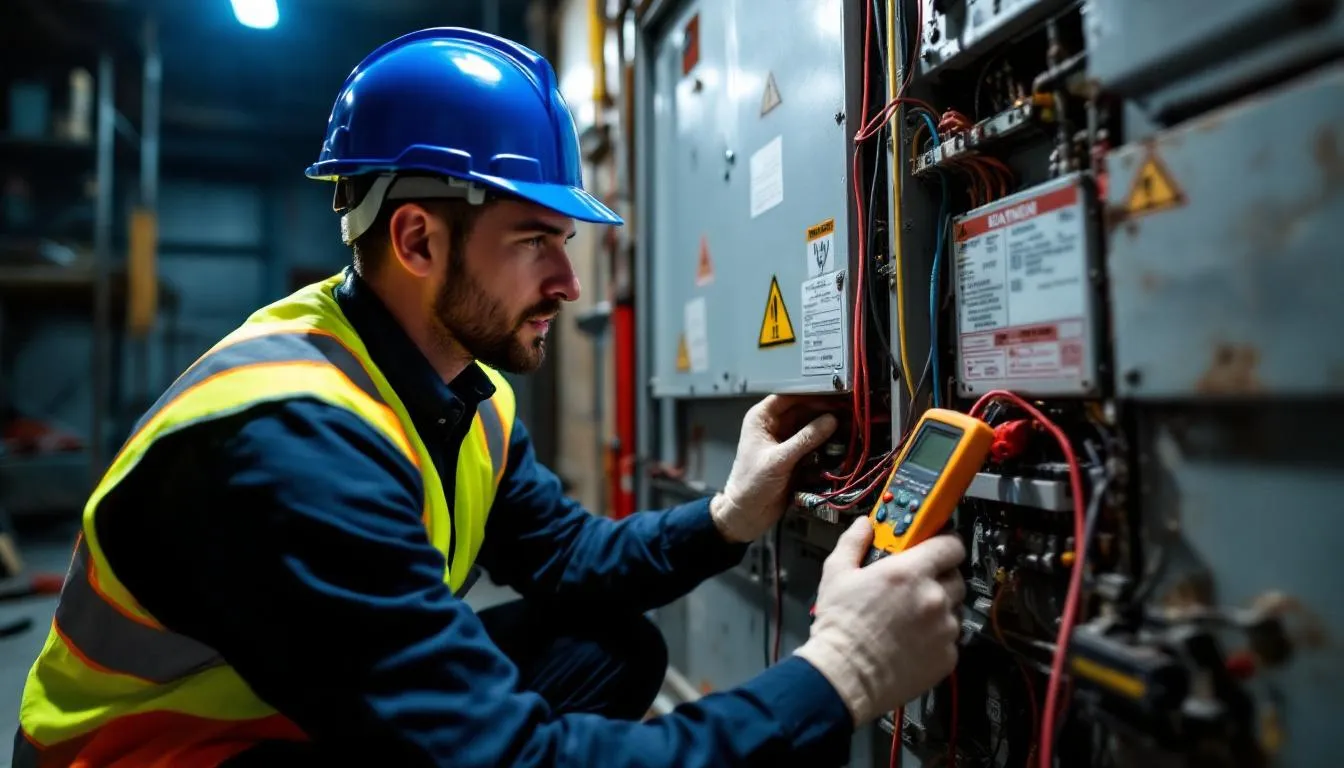
Overview of Electrical Panel Replacement Permits and Regulations
Electrical panel replacement permits are required in most jurisdictions across the United States and are essential for safety compliance, legal protection, and insurance coverage. Whether you’re upgrading from a 100-amp to 200-amp electrical service or replacing an outdated panel, obtaining the necessary permits ensures your project meets National Electrical Code standards and local building codes.
Permit requirements, fees, and approval times can vary significantly depending on the city, so it’s important to check city-specific regulations before starting your project.
Most homeowners and property managers discover permit requirements only after beginning their electrical panel upgrade, often leading to project delays and additional costs.
What This Guide Covers
This guide explains permit requirements, application procedures, inspection processes, and cost factors for electrical panel replacement projects. We focus on regulatory compliance and legal requirements—NOT DIY installation techniques or technical wiring details.
Who This Is For
This guide is designed for homeowners planning panel upgrades, property managers overseeing electrical improvements, contractors new to electrical work, and real estate professionals handling property transactions. Whether you’re upgrading electrical panels in Orange County, Long Beach, or any other jurisdiction, you’ll find essential compliance information. As a property owner, you are responsible for ensuring all permits are properly obtained and that your name is on the permit documentation.
Why This Matters
Obtaining proper electrical permits protects you from liability issues, ensures code compliance, and maintains your property’s insurability. Unpermitted electrical work can lead to insurance claim denials, legal complications during property sales, and serious safety risks, including electrical fires. Maintaining your home’s electrical system through permitted upgrades is crucial for safety and ongoing compliance.
What You’ll Learn:
- When permits are required for electrical panel systems
- Step-by-step permit application procedures
- Mandatory inspection requirements and timeline
- Cost expectations for permit fees and compliance
- Consequences of skipping the permit process
- How to gain a thorough understanding of city, state, and federal permit requirements
Understanding Electrical Panel Replacement Permits
An electrical permit is official authorization from your local building department allowing specific electrical work to be performed on your property. These permits exist to ensure electrical installations meet safety standards and building codes, protecting both property owners and future occupants, and ensuring compliance with all relevant regulations.
Electric panel replacement specifically requires permits because these systems control your home’s electrical distribution and pose significant safety risks when improperly installed. Failing to obtain a permit increases the risk of electrical hazards, injuries, or legal issues. The permit process ensures a licensed electrician performs the work and a qualified inspector verifies code compliance.
Types of Electrical Panel Work Requiring Permits
Main panel replacement and upgrades typically require permits when increasing service capacity, such as upgrading from 100-amp to 200-amp service. A permit is required for main panel replacement and upgrades because higher capacity installations affect your home’s electrical system safety and must meet current National Electrical Code requirements.
Sub-panel installations and relocations within your property also trigger permit requirements, as these modifications alter your electrical service distribution and require proper grounding and bonding verification. For these types of projects, a permit required by local authorities ensures legal compliance and safety.
Service entrance modifications involving meter base changes, wire upgrades, or utility connection points always require permits due to coordination needs with your local utility company and building official.
Regulatory Authority Structure
Federal NEC standards provide baseline safety requirements updated every three years, establishing minimum standards for electrical installations nationwide.
State electrical codes supplement federal requirements and establish licensing requirements for contractors performing electrical work in residential and commercial properties.
Local building departments—often at the city level—have jurisdiction over permit applications and may impose additional requirements beyond state and federal codes. City-specific regulations and requirements, such as zoning, planning, permit fees, and approval times, can vary and must be considered to ensure compliance. Building on federal and state frameworks, local codes address region-specific concerns like seismic requirements or climate considerations.
Transition: A thorough understanding of these regulatory layers is essential because your permit application must satisfy requirements at all three levels.
Signs You Need to Upgrade Electrical Panels
Understanding when your family needs an electrical panel upgrade is an important step in ensuring the comfort and safety of your home’s electrical system. Several gentle indicators can help you recognize when your current electrical panel may benefit from modern enhancements to meet today’s updated National Electrical Code (NEC) and local building standards. When you experience occasional circuit breaker activity, notice lights that flicker or dim, or detect warm temperatures or unusual odors near your electrical panel, these are clear reminders that your system may be working harder than necessary or could benefit from professional attention. Older electrical panels, particularly those serving your family for many decades, often deserve an upgrade to safely accommodate today’s modern lifestyle demands and provide the enhanced safety features your family deserves.
Families planning to welcome new appliances, embark on home improvements, or simply increase their home’s electrical capacity should consider the valuable benefits of upgrading their electrical panels to ensure optimal performance and prevent future concerns. A trusted, licensed electrician can thoughtfully assess your family’s unique electrical needs, recommend the best solutions for your home, and ensure that all work exceeds applicable building codes and safety standards. Taking a proactive approach to panel upgrades not only protects your valuable investment but also provides peace of mind and ensures the continued safety and comfort of everyone you care about most.
Permit Requirements and Application Process
Your local building department determines when permits are mandatory versus optional, though most jurisdictions require permits for any electrical panel replacement or service upgrade exceeding basic maintenance.
Permit applications typically require payment of a fee, which can often be paid by check, credit card, or money order.
When Permits Are Required
Any main electrical panel replacement or upgrade involving service capacity changes requires permits, particularly when upgrading electrical panels from lower to higher amperage ratings.
Service capacity increases from 100-amp to 200-amp electrical service always trigger permit requirements, as these modifications affect your property’s electrical infrastructure and safety systems.
Panel relocations within the same property require permits because relocating electrical panels involves new circuit routing and may affect grounding systems.
The addition of new circuits requiring panel modifications or expansions also mandates permits, ensuring the work is authorized and meets current building codes.
Required Documentation and Plans
Electrical load calculations and panel schedules demonstrate your electrical service can safely handle planned electrical loads without overloading circuits or compromising safety.
Site plans showing panel location help inspectors verify proper clearances and accessibility requirements specified in local codes.
Equipment specifications and manufacturer cut sheets confirm that electrical equipment meets approved standards and compatibility requirements.
Contractor licensing information and insurance certificates verify that a qualified professional will perform the electrical work and carry appropriate liability insurance.
Permit Application Timeline
Standard processing times range from 1-5 business days for simple panel replacements and 2-3 weeks for complex electrical service upgrades requiring plan review.
Expedited processing options may be available for urgent projects, typically involving additional permit fees but reducing the approval timeline significantly.
Plan review requirements differ for residential versus commercial projects, with residential electrical panel upgrades generally requiring less documentation than commercial installations.
Transition: Once your permit application is approved, the inspection process begins to ensure compliance throughout your project.
Cost Considerations for Electrical Work
When it comes to upgrading your family’s electrical panel, several important factors work together to determine your investment. The type and capacity of your new electrical panel, along with the complexity required for your home’s unique installation, and where the panel sits within your property, all contribute to creating a comprehensive picture of your project’s scope. Your local building department’s permit and inspection requirements add essential safety measures to the process, while partnering with a trusted, licensed electrician ensures your family receives the professional expertise your home deserves.
Families in our community can typically expect to invest between $500 and $2,500 or more for a complete electrical panel upgrade, with costs varying based on your home’s specific needs and any additional safety updates required to meet current standards. We always recommend securing a thorough estimate from a qualified electrician who will walk you through every aspect of your investment—from permit requirements to labor and materials—so your family can make informed decisions with complete confidence. While this upfront investment represents a meaningful commitment to your home, upgrading your electrical panel brings invaluable peace of mind through enhanced safety, improved energy efficiency, and increased property value that benefits your family for years to come. Choosing professional installation and strict code compliance protects your family from potential hazards and costly complications, ensuring your home remains a safe, comfortable haven for everyone you love.
Inspection Requirements and Compliance
Building on the permit application process, mandatory inspections verify that electrical work meets safety standards and code compliance requirements before energizing your new electrical panels. A final inspection is required to confirm the work meets all code and safety standards before the panel is energized.
Step-by-Step: Panel Replacement Inspection Process
When to use this: All permitted electrical panel replacements require multi-stage inspections coordinated between your licensed contractor, building inspector, and utility company.
- Rough Electrical Inspection: Inspector verifies service entrance installation, grounding system connections, and electrical panel mounting before any circuits are energized or connected.
- Final Electrical Inspection: Complete testing of the finished installation, including proper circuit labeling, breaker sizing, and overall code compliance verification.
- Utility Connection Approval: Coordination with your power company for service disconnection and reconnection, requiring proof of passed inspections and valid permits.
- Certificate of Occupancy: Final approval for residential projects or commercial use permits, confirming the electrical work is complete and safe for occupancy.
Comparison: Residential vs. Commercial Panel Replacement Regulations
Feature | Residential Projects | Commercial Projects |
|---|---|---|
Permit Fees | $50-200 typical range | $200-1000+ depending on scope |
Required Inspections | 2-3 inspections standard | 4-6 inspections required |
Plan Requirements | Basic load calculations | Engineered plans mandatory |
Timeline | 1-2 weeks typical | 3-6 weeks for approval |
Residential electrical panel upgrades generally involve simpler permitting processes, while commercial projects require more thorough documentation and additional inspection phases to ensure compliance with enhanced safety standards.
Transition: Despite following proper procedures, permit and inspection challenges commonly arise during electrical panel replacement projects.
Importance of Hiring a Licensed Electrician
When it comes to electrical panel upgrades for your home, partnering with a licensed electrician isn’t just a smart choice—it’s the foundation of a safe, worry-free experience that protects what matters most to you and your family. A licensed professional brings years of specialized training and expertise, ensuring your electrical work meets the latest building codes and safety standards that keep your home secure. They understand the permit process inside and out, guiding homeowners through each step with confidence and helping you obtain all necessary approvals, so your project moves forward smoothly and with complete peace of mind.
Beyond their technical expertise, a licensed electrician carries comprehensive liability insurance, providing you with an extra layer of protection and security throughout your panel upgrade journey. This professional approach gives homeowners the confidence and trust they deserve when investing in their home’s electrical system, knowing that every detail is handled with care and precision. Before moving forward, simply verify your electrician’s license and insurance status—a quick step that ensures you’re working with a qualified professional who prioritizes your family’s safety. By choosing an experienced, licensed electrician, you can feel confident that your electrical panel upgrade will be completed with the highest standards of safety, efficiency, and attention to detail, giving you a modern, reliable electrical system you can trust for years to come.
Consequences of Non-Compliance
Failing to obtain the necessary permits or comply with local building codes and safety standards can have serious consequences for homeowners undertaking electrical work. Non-compliance may result in hefty fines, penalties, or even legal action from local authorities. More importantly, electrical work that does not meet code requirements poses significant safety risks, including the potential for electrical shocks, fires, and other hazards that can endanger your property and family.
Insurance issues are another major concern—many insurance companies will deny claims related to unpermitted or non-compliant electrical work, leaving homeowners financially responsible for any resulting damage. Additionally, non-compliance can negatively impact your property’s resale value, making it more difficult to sell or refinance your home. To avoid these risks, it’s essential to work with a licensed electrician who understands the importance of compliance and can ensure that all electrical work is performed according to local codes and regulations. Taking these steps protects your investment and ensures the long-term safety and value of your property.
Common Challenges and Solutions
Understanding typical obstacles in the permit and inspection process helps property owners avoid delays and additional costs during their electrical panel upgrade projects. As the owner, you are responsible for ensuring that all permits are correctly filed and inspections are properly scheduled, making your involvement crucial in overcoming these challenges.
Challenge 1: Permit Application Rejection
Solution: Hire a licensed electrician to prepare proper load calculations and technical drawings that meet local building department requirements.
Common rejection causes include inadequate grounding plans, missing equipment specifications, or incomplete electrical service documentation that fails to demonstrate code compliance.
Challenge 2: Failed Inspections
Solution: Address code violations immediately and schedule re-inspection within 24-48 hours to minimize project delays and additional permit fees.
Most inspection failures involve improper electrical panel labeling, grounding system issues, or clearance violations around the electrical service equipment location.
Challenge 3: Utility Coordination Delays
Solution: Schedule utility disconnection 7-14 days in advance and confirm all inspection approvals before requesting service restoration.
Power companies require valid permits and passed final inspections before reconnecting electrical service, making proper coordination a crucial step in project completion.
Transition: Proper planning and professional assistance help navigate these challenges while ensuring full compliance with electrical panel replacement regulations.
Conclusion and Next Steps
Electrical permits are mandatory for panel replacement projects and ensure safety compliance, legal protection, and property value preservation. When replacing an electric panel, it is crucial to maintain compliance with local codes and safety standards to protect your home and occupants. The permit process, while adding time and cost to your project, provides essential oversight that protects your investment and maintains your home’s electrical system integrity.
To get started:
- Contact your local building department to verify specific permit requirements for your electrical panel upgrade project
- Obtain quotes from licensed electricians who include permit handling and inspection coordination in their services
- Schedule your electrical work during optimal timeframes to minimize utility disconnection periods and avoid peak construction seasons
Related Topics: Consider exploring electrical service upgrades for whole-house capacity increases, generator installation regulations for backup power systems, and whole-house rewiring permits for comprehensive electrical modernization projects.