
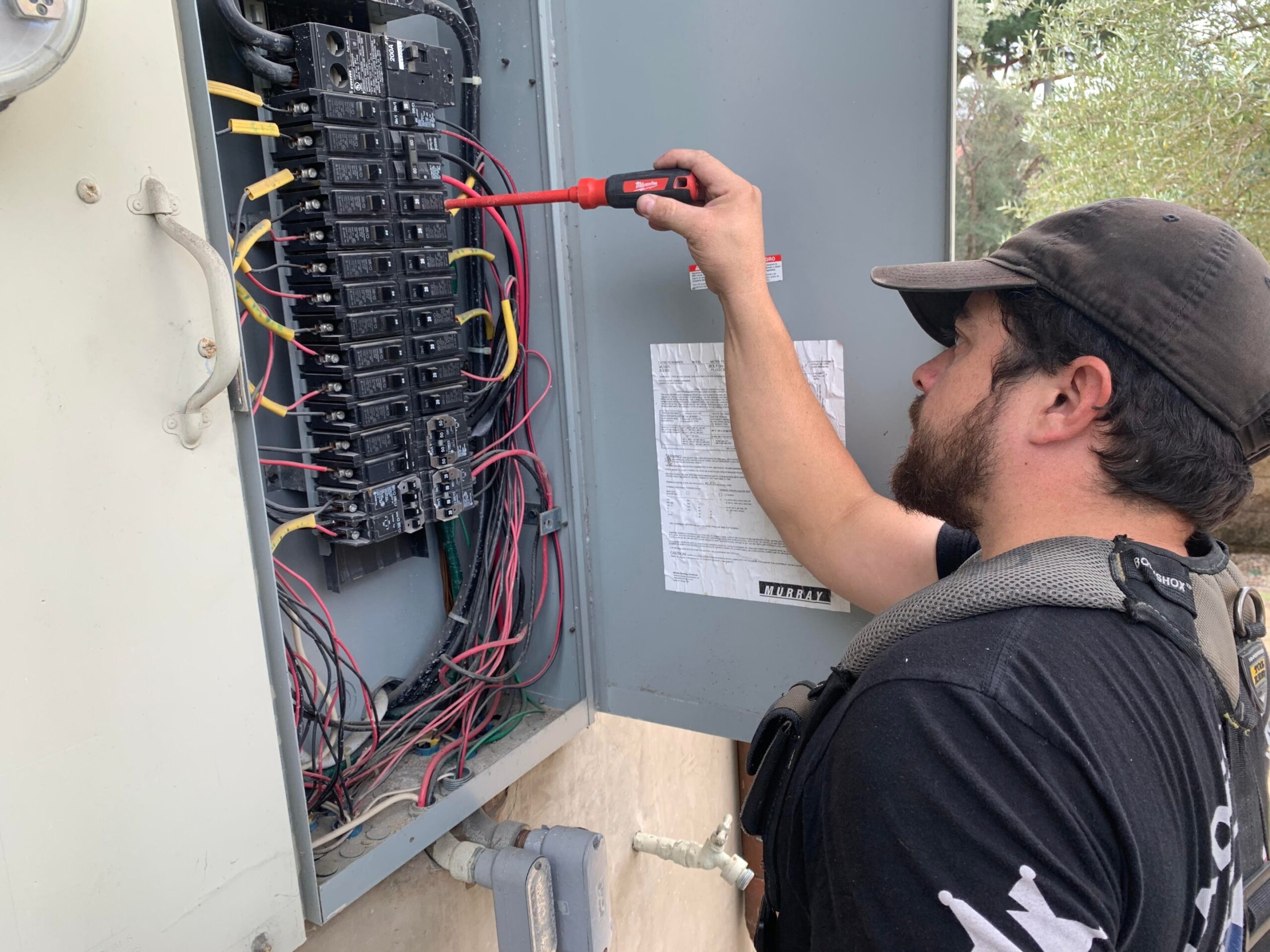
When your power goes out during a busy evening, the last thing you want is to fumble around in the dark trying to figure out whether you need to flip a switch or replace a fuse. Understanding the difference between breaker panels and fuse boxes isn’t just about convenience – it’s about safety, code compliance, and ensuring your home’s electrical system can handle modern living demands.
Suppose you’re an Orange County homeowner dealing with frequent power interruptions, planning a renovation, or considering an electrical upgrade. In that case, this guide will help you understand which system provides better protection for your home and family.
The Key Difference Between Breaker Panels and Fuse Boxes
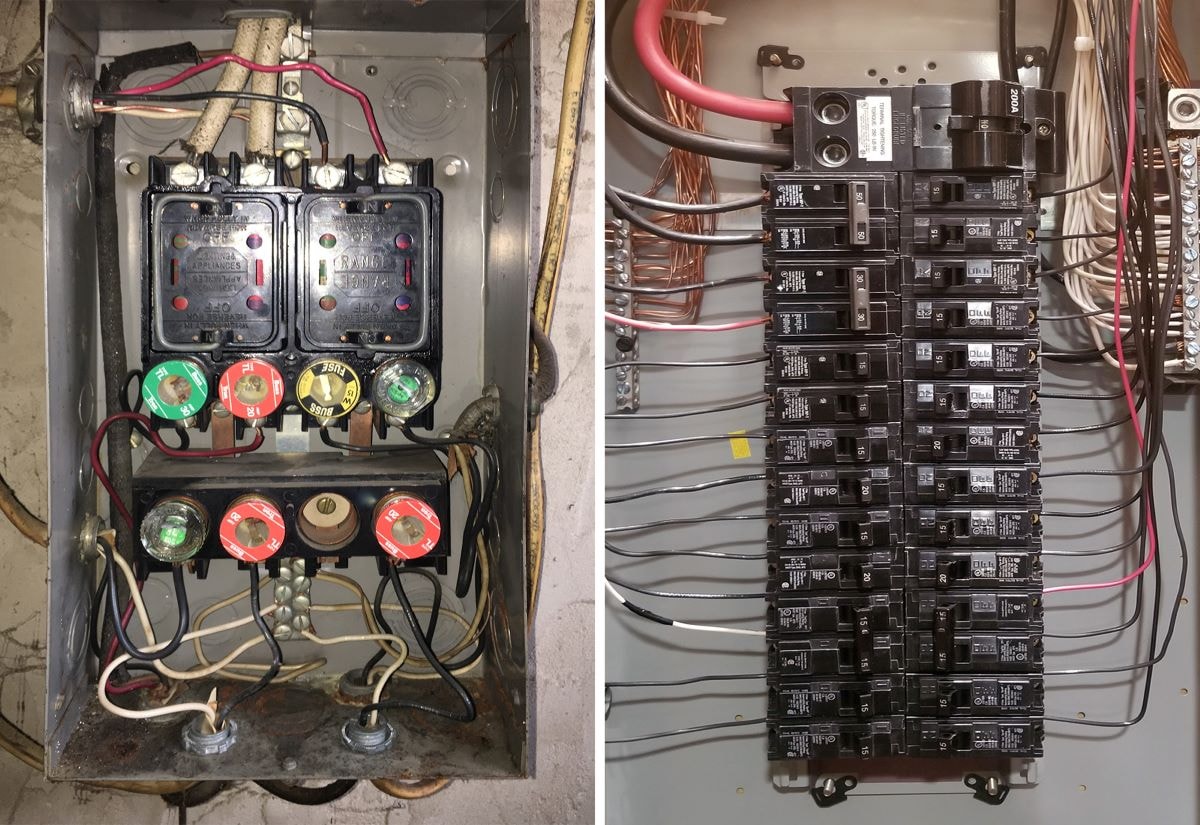
The fundamental difference between these two electrical systems comes down to how they restore power after an overload. A circuit breaker panel uses switches that flip back on, while fuse boxes require you to unscrew the blown fuse and install a completely new one.
When an electrical overload occurs, both systems serve the same basic purpose – they detect the problem and shut off power to prevent electrical fires. However, their approach to getting you back up and running couldn’t be more different.
Breaker panels contain circuit breakers that trip when too much current flows through an electrical circuit. Once the overload is resolved, you walk to your electrical panel and flip the switch back to the “on” position. The entire process takes seconds, and the same circuit breaker can reset easily hundreds of times throughout its lifespan.
Fuse boxes operate differently. When an electrical overload occurs, the thin metal wire inside the fuse melts, permanently breaking the electrical circuit. To restore power, you must unscrew the blown fuse, dispose of it, and replace it with a new fuse of the exact same amperage rating.
Most Orange County homes built after 1960 have breaker panels, while older homes – particularly those built in the 1940s and 1950s – may still have the original fuse panel installations.
How Each System Works to Protect Your Home
Both circuit breaker panels and fuse boxes function as safety devices designed to protect your home’s electrical system from dangerous overloads and short circuits. Understanding how each system detects and responds to electrical problems helps explain why one has become the standard for modern homes.
Circuit Breaker Operation
A circuit breaker uses a sophisticated switch mechanism that responds to electrical overloads in two ways. When too much current flowing through the circuit creates heat, a bimetallic strip inside the breaker bends and trips the switch. For sudden surges, an electromagnetic coil detects the spike and instantly triggers the breaker to trip.
The beauty of this system lies in its reusability. After a circuit breaker trips, the switch mechanism remains intact and ready to protect your electrical circuits again. Simply flip the breaker to “off” and then back to “on” to restore power.
Fuse Box Operation
Fuse boxes rely on a more straightforward approach. Each fuse contains a thin metal filament designed to melt when a specific amount of current passes through it. When an overload occurs, the excessive current heats the fuse wire until it melts, creating an open circuit that stops the flow of electricity.
This one-time protection method effectively prevents electrical fires, but it requires manual replacement of the blown fuse. The melted fuse cannot be repaired or reset – it must be completely replaced with a new fuse of the proper amperage rating.
Real-World Protection Example
Here’s how both systems protect your entire home: Imagine you’re decorating for the holidays and plug in multiple strings of Christmas lights, a few inflatable decorations, and some additional outdoor lighting. If this setup draws more current than your electrical circuit can safely handle, both a breaker and a fuse will detect the overload and shut off power before the wires overheat and potentially cause a fire.
With a breaker panel, you’d simply unplug some of the decorations and flip the breaker back on. With a fuse box, you’d need to unplug the excess decorations, drive to the hardware store for a replacement fuse, and install the new fuse before restoring power.
Safety Differences That Matter to Your Family
When comparing breaker panels vs fuse boxes from a safety perspective, modern circuit breaker panels offer significant advantages that directly protect your family and property.
Advanced Protection Features
Circuit breakers offer enhanced safety features that simply don’t exist in older fuse boxes:
- GFCI breakers protect against electrical shock in wet areas like bathrooms, kitchens, and outdoor outlets
- AFCI breakers detect dangerous electrical arcing that can cause fires even when circuits aren’t overloaded
- Clearly labeled circuits help you quickly identify and shut off power during emergencies
- No exposed electrical parts when resetting protection devices
Fuse Box Safety Concerns
Fuse boxes expose homeowners to several safety risks that modern electrical codes aim to eliminate:
- Live electrical contact when changing fuses, creating shock hazards
- Improper fuse replacement with wrong amperage ratings that disable overcurrent protection
- Dangerous substitutes like pennies or foil that completely bypass safety mechanisms
- Difficulty identifying which fuse controls which electrical circuit during emergencies
Insurance and Code Compliance Issues
The safety differences between these systems have real-world implications for Orange County homeowners:
Insurance Benefits:
- Many insurance companies offer discounts for homes with updated breaker panels
- Some insurers require electrical panel upgrades for older homes with fuse boxes before providing coverage
- Claims processing may be smoother when electrical fires occur in homes with code-compliant systems
Building Code Requirements:
- Orange County building permits typically require breaker panels for any major electrical work
- Home sales may require electrical system upgrades when inspections reveal outdated fuse boxes
- Rental properties often need panel upgrades to meet current safety standards
Cost Comparison: Installation and Long-Term Expenses
Understanding the financial aspects of breaker panels vs fuse boxes helps Orange County homeowners make informed decisions about electrical upgrades. While the upfront investment varies, the long-term costs tell a compelling story.
Initial Installation Costs
System Type | Typical Cost Range | Amperage Options |
|---|---|---|
Basic Fuse Box Replacement | $1200 – $3000 | 60-100 amps |
Standard Breaker Panel | $1500 – $3500 | 100-150 amps |
High-Capacity Breaker Panel | $2500 – $5000 | 200+ amps |
These costs include a professional electrician, necessary permits, and basic installation. Additional expenses may include electrical meter upgrades, new service connections, or electrical circuit modifications required by current Orange County building codes.
Ongoing Maintenance Expenses
The cost difference becomes even more apparent when you factor in long-term maintenance:
Fuse Box Ongoing Costs:
- Replacement fuses: Call for Quote
- Annual fuse replacement costs: Call for Quote
- Emergency after-hours fuse purchases at premium prices
- Time and inconvenience of sourcing specific fuse types
Breaker Panel Ongoing Costs:
- No replacement parts needed for normal operation
- Occasional breaker replacement after 15-25 years: Call for Quote
- Minimal maintenance requirements
- No emergency supply runs needed
When Upgrading Makes Financial Sense
Several scenarios make electrical panel upgrades particularly cost-effective for Orange County homeowners:
Major Appliance Installations:
- Electric vehicle charging stations require higher amperage capacity
- Pool equipment, hot tubs, or workshop tools need dedicated high-power circuits
- Central air conditioning systems demand more electrical capacity than older fuse boxes provide
Frequent Service Issues:
- Households experiencing monthly fuse replacements quickly recoup upgrade costs
- Repeated service calls for electrical troubleshooting add up over time
- Lost food from refrigerator outages creates additional hidden costs
Real Estate Considerations:
- Home sales often require electrical upgrades during escrow
- Updated electrical panels increase home value and marketability
- Competitive Orange County housing market rewards modern, code-compliant homes
Convenience and Modern Living Requirements
Today’s homes demand electrical capacity that simply didn’t exist when most fuse boxes were installed. Understanding how breaker panels vs fuse boxes handle modern electrical loads reveals why upgrades have become essential for many Orange County households.
Electrical Capacity Differences
Modern electrical panels typically provide 100 to 200+ amps of service capacity, while older fuse boxes usually max out at 60 amps. This difference becomes crucial when you consider typical electrical demands:
Modern Home Electrical Requirements:
- Central air conditioning: 30-60 amps
- Electric vehicle charger: 30-60 amps
- Electric dryer: 30 amps
- Electric range: 40-50 amps
- Hot tub or pool equipment: 30-60 amps
A home with a 60-amp fuse panel simply cannot safely operate multiple major appliances simultaneously. Homeowners often find themselves managing electrical loads manually – turning off the air conditioning before using the dryer or limiting which appliances run at the same time.
Daily Convenience Factors
The practical differences between these systems affect your daily routine:
Breaker Panel Advantages:
- Instant power restoration with a simple switch flip
- Clear labeling helps identify specific circuits
- Multiple family members can safely reset breakers
- No need to keep spare parts on hand
Fuse Box Limitations:
- Requires trip to hardware store for replacement fuses
- Must keep various fuse types and amperages in stock
- Only knowledgeable family members should change fuses
- Power outages extend until proper replacement fuse is obtained
Smart Home and Technology Integration
Modern homes increasingly rely on technology that demands stable, adequate electrical power:
- Home office equipment requiring multiple dedicated circuits
- Smart home devices and automation systems
- High-efficiency appliances with complex electrical requirements
- Solar panel systems and battery backup installations
Fuse boxes lack the capacity and circuit flexibility needed for these modern electrical demands, while breaker panels easily accommodate technology upgrades and additions.
Signs Your Orange County Home Needs an Electrical Panel Upgrade
Recognizing when your electrical system needs attention helps prevent safety hazards and ensures your home meets modern electrical demands. Several warning signs indicate it’s time to consider upgrading from a fuse box to a breaker panel.
Immediate Safety Concerns
These symptoms require prompt attention from a professional electrician:
Frequent Electrical Interruptions:
- Fuse blowouts or circuit breaker trips during normal electrical usage
- Power loss when turning on major appliances like air conditioning or electric heaters
- Multiple fuses blowing simultaneously during peak electrical demand
Physical Warning Signs:
- Scorch marks around your fuse box or electrical panel
- Burning smells coming from the electrical system
- Warm or hot electrical panel surfaces
- Flickering lights throughout the house, especially when appliances start up
Electrical Performance Issues:
- Lights dimming when major appliances turn on
- Insufficient electrical outlets requiring frequent extension cord use
- Inability to run multiple appliances without losing power
- Electrical outlets that don’t work or work intermittently
Modern Living Upgrades
Your electrical system may need upgrading to support contemporary lifestyle changes:
New Appliance Installations:
- Central air conditioning system installation
- Electric vehicle charging station requirements
- Pool or spa equipment electrical needs
- Workshop or garage equipment requiring higher amperage
Home Renovation Projects:
- Kitchen remodels with modern appliances and adequate outlet spacing
- Bathroom upgrades requiring GFCI protection
- Home office setups demanding multiple dedicated circuits
- Solar panel installations requiring updated electrical infrastructure
Real Estate Transactions:
- Home sale preparations requiring code compliance
- Insurance company requirements for coverage approval
- Mortgage lender electrical system stipulations
- Home inspection recommendations for electrical upgrades
Professional Installation Requirements
Orange County maintains strict electrical installation standards that require professional expertise:
Licensing and Permit Requirements:
- All electrical panel upgrades must be performed by licensed electricians
- Building permits ensure code compliance and proper installation
- Electrical inspections verify safety and functionality before system activation
Local Code Compliance:
- Different Orange County cities may have specific electrical requirements
- Utility company coordination for service connection modifications
- Proper grounding and surge protection installation
- Load calculation assessments for household electrical demands
Professional Installation Benefits:
- Warranty protection covering both labor and materials
- Insurance coverage protecting homeowners from installation issues
- Code compliance guaranteeing safe, legal electrical systems
- Expert advice on electrical capacity planning for future needs
Why Choose Professional Installation in Orange County
Electrical panel upgrades represent a significant investment in your home’s safety and functionality. Working with experienced, licensed professionals ensures your project meets all local requirements while protecting your family and property.
Local Expertise Matters
Orange County’s diverse communities each have specific electrical requirements that experienced contractors understand:
Municipal Differences:
- Newport Beach, Irvine, and Anaheim each maintain distinct permitting processes
- Coastal areas may have additional corrosion protection requirements
- Utility company coordination varies by service territory
- Historic districts often have special electrical installation considerations
Utility Company Requirements:
- Southern California Edison and other providers have specific service connection standards
- Meter upgrade coordination to support higher amperage service
- Electrical service entrance requirements vary by location
- Timeline coordination for utility disconnection and reconnection
Professional Installation Advantages
Licensed electricians bring expertise that ensures safe, code-compliant installations:
Technical Expertise:
- Proper load calculations ensuring adequate electrical capacity for your specific home
- Code compliance guaranteeing safety and legal electrical systems
- Quality workmanship meeting manufacturer warranty requirements
- Problem-solving experience handling unexpected installation challenges
Project Management:
- Permit acquisition and inspection scheduling
- Material sourcing and delivery coordination
- Minimal disruption to your daily routine
- Clear communication throughout the installation process
Long-Term Value:
- Warranty protection covering both parts and labor
- Insurance backing protecting homeowners from installation defects
- Ongoing support for electrical system questions and future upgrades
- Documentation for insurance and resale purposes
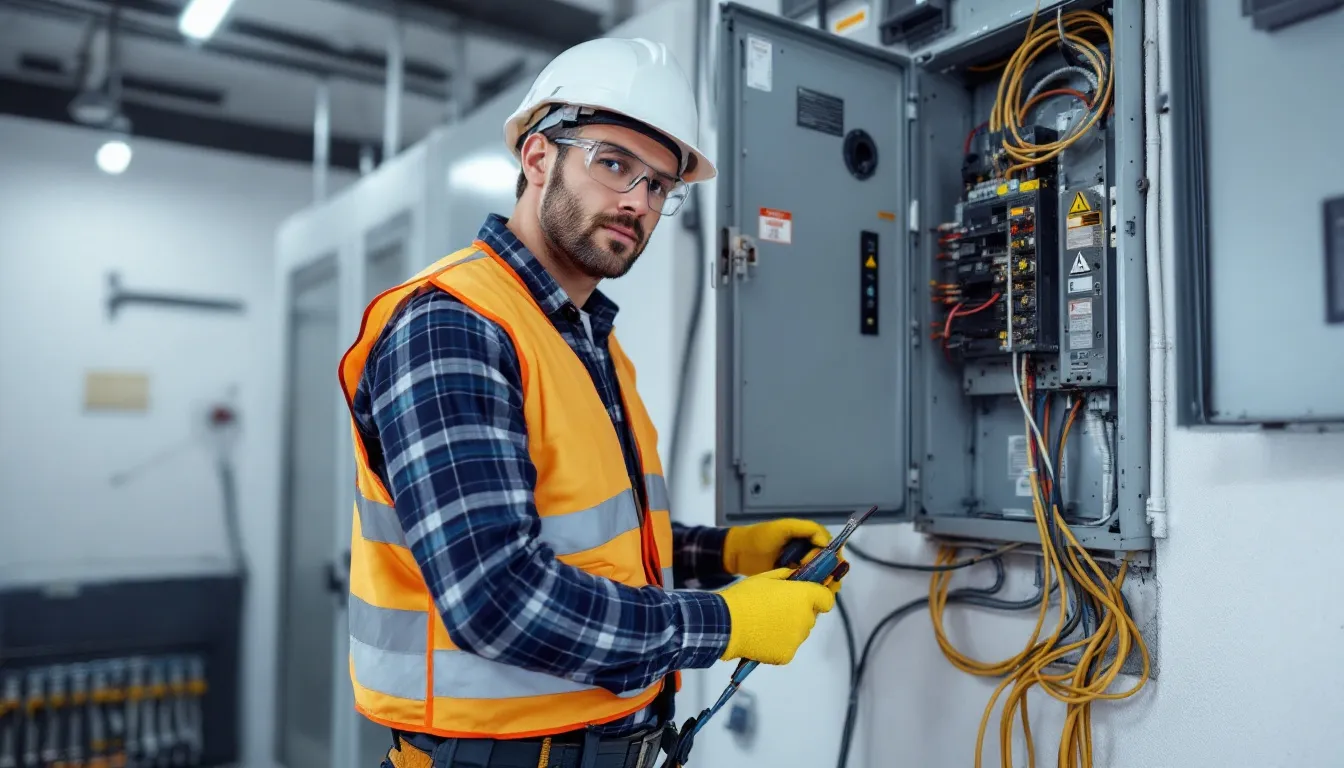
Whether you’re dealing with an outdated fuse box that can’t handle modern electrical demands, or you’re planning a major renovation requiring additional electrical capacity, upgrading to a modern breaker panel offers significant safety, convenience, and financial benefits.
The choice between maintaining an aging fuse box and upgrading to a circuit breaker panel becomes clear when you consider the safety features, electrical capacity, and long-term convenience that modern systems provide. For Orange County homeowners, code compliance and insurance requirements make this decision even more straightforward.
Don’t wait for an electrical emergency to address your home’s electrical system needs. Contact Tradesman Electric today for a comprehensive electrical panel evaluation and transparent pricing on breaker panel installations. Our licensed electricians understand Orange County’s specific requirements and will ensure your electrical upgrade meets all local codes while providing the capacity and safety your family deserves.
Call Tradesman Electric now to schedule your free consultation and take the first step toward safer, more reliable electrical power for your home.